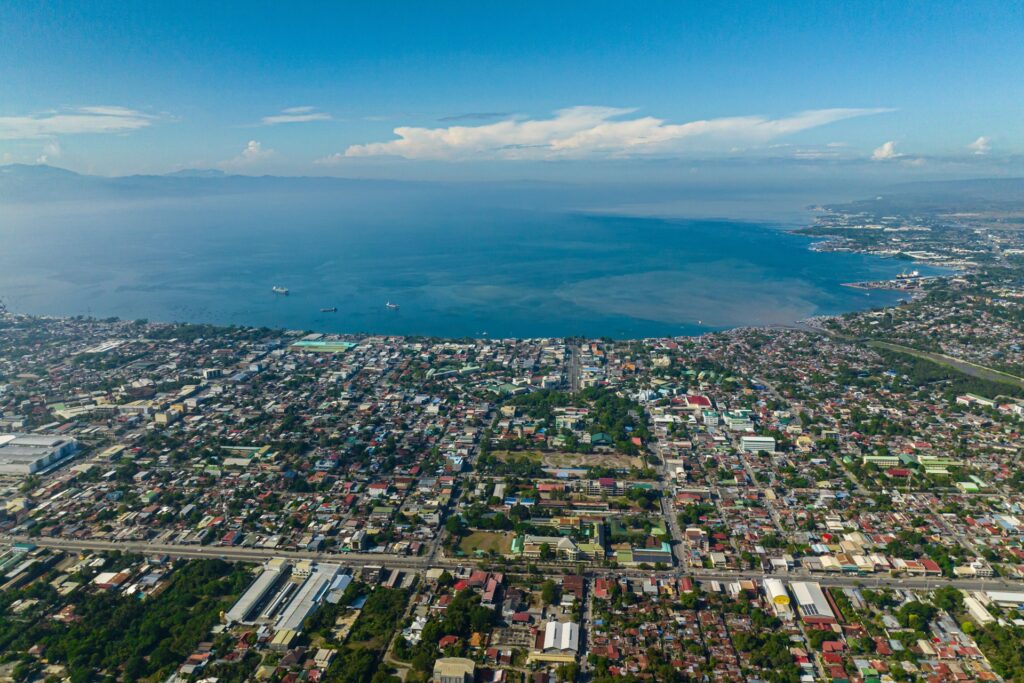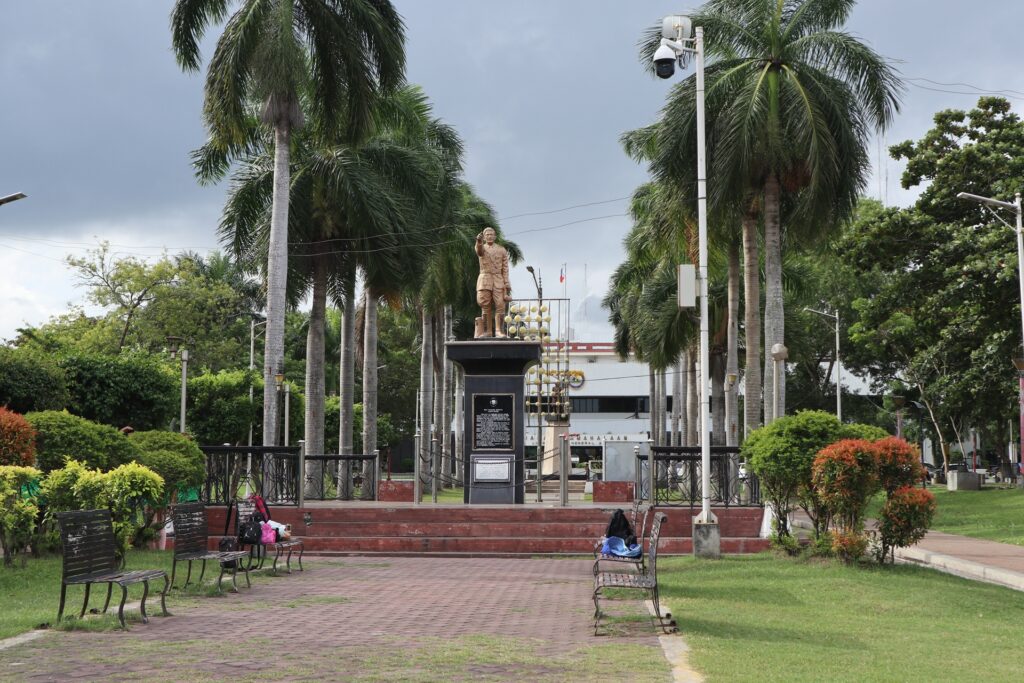
GenSan is a place where stories move quickly. A strange sound near the shoreline. A shadow seen on a quiet road. A fisherman’s warning. A rumor from an old neighborhood. A school building with one classroom nobody wants to enter after dark.
Before long, everyone has heard a version of it. That is part of the charm of local legends. They do not need official records. They live because people keep repeating them. Each person adds a detail, changes the setting slightly, or makes the ending more dramatic.
By the time the myths of General Santos reach another barangay, it has grown teeth, wings, or both. And in GenSan, where coastal life, migration, indigenous culture, and urban growth all meet, these stories have plenty of room to grow.
Some stories are funny. Some are eerie. Some are probably exaggerated. But all of them reveal something about how people in GenSan understand their city, their fears, their humor, and their sense of place.
- The White Lady Stories
- Spirits by the Sea
- The Stories of Hidden Beings
- The Haunted School and Office Tales
- The Roadside Apparitions
- The “Aswang” That Everyone Heard About
- Legends from Indigenous and Local Traditions
- The Urban Legends of Modern GenSan
- Why GenSan Loves a Good Scary Story
- Myth, Memory, and the Changing City
- Wrap-Up
The White Lady Stories
Almost every city in the Philippines has a White Lady story, and GenSan is no exception. She is usually described as a woman in white, appearing late at night along quiet roads, near old buildings, or in places where accidents are said to have happened.
Drivers claim to see her in the rear-view mirror. Students whisper about seeing her near hallways. Security guards sometimes become the unwilling main characters in these tales. Of course, the details change depending on who is telling the story.
In one version, she appears to people driving alone at night. In another, she stands silently by the roadside and disappears when headlights get too close. In another, she is seen inside a building long after everyone has gone home.
What makes the White Lady story so enduring is not just fear. It is familiarity. Everyone knows someone who knows someone who has seen her. That distance makes the story impossible to prove, but also impossible to kill.
The White Lady is less of a single ghost and more of a symbol: the feeling of walking alone at night, hearing something behind you, and suddenly remembering every scary story you ever laughed at during the day.
Spirits by the Sea
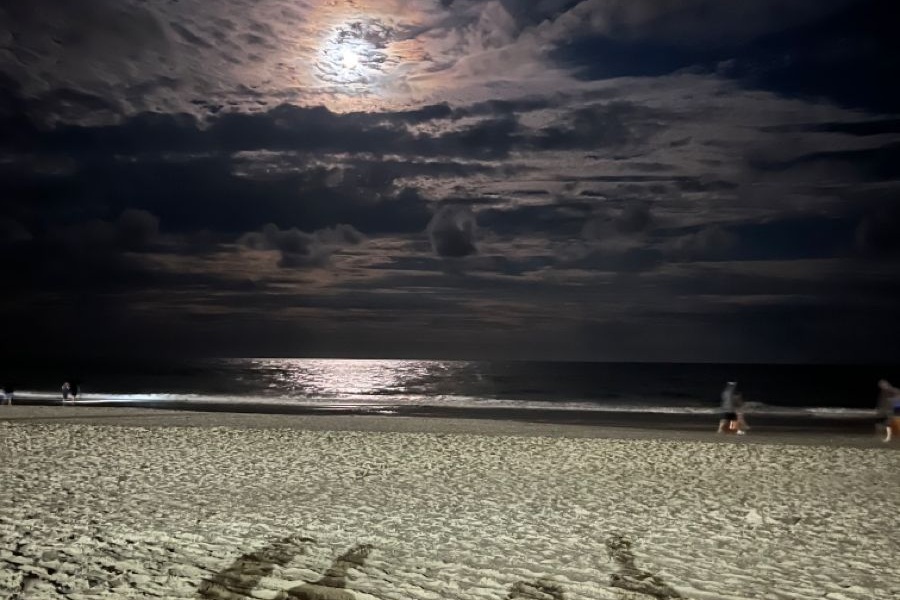
GenSan’s identity is deeply tied to the sea. Fishing boats, ports, tuna, coastal communities, and the rhythm of maritime work are part of daily life. So naturally, many local stories also come from the water.
Fishermen often carry tales that sound like warnings. Some speak of unusual lights seen far from shore. Others tell of voices calling from the water at night, especially when the sea is too calm.
There are stories of spirits that guard certain areas, and of bad luck following those who disrespect the sea. Whether one believes these stories literally or not, they serve a purpose.
For people who work on the water, the sea is beautiful, generous, and dangerous. Myths help explain that danger. They teach caution. They remind people not to be arrogant. They turn practical wisdom into memorable stories.
Do not mock the sea. Do not ignore the signs. Do not go where older people tell you not to go. In a coastal city like GenSan, those are not just superstitions. They are survival lessons wrapped in mystery.
The Stories of Hidden Beings
Across Mindanao, stories of unseen beings have long been part of local belief systems. In and around GenSan, people may hear tales of spirits, elemental beings, and guardians of certain places; especially old trees, quiet fields, riversides, and areas that were once less developed.
These beings are often not described as purely evil. In many stories, they simply demand respect. The warning is usually simple: do not disturb what you do not understand.
People are told not to point at certain places casually, not to make noise in areas believed to be inhabited by spirits, and not to destroy trees or land without permission or ritual.
Some may say “tabi-tabi po” when passing through unfamiliar or quiet places, a phrase used across the Philippines to politely ask unseen beings to let one pass. In a fast-growing city, these stories become even more interesting.
Roads expand. Buildings rise. Empty lots become commercial spaces. But the old warnings remain.
That creates a fascinating tension: modern GenSan keeps developing, but many people still carry an older map of the city in their minds, a map marked not only by streets and landmarks, but by places where one should be careful.
The Haunted School and Office Tales
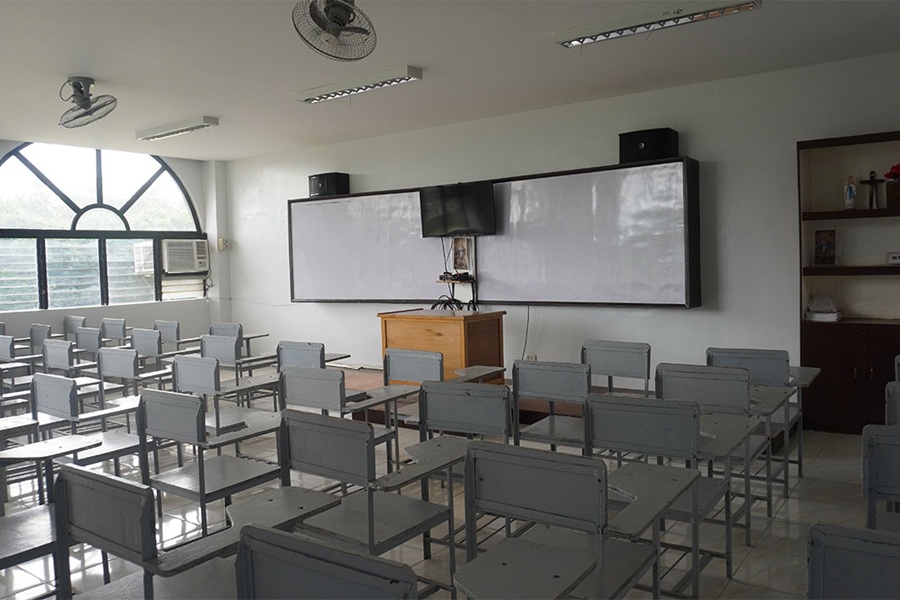
Every school has one. A hallway with a strange draft. A comfort room nobody likes using alone. A classroom where chairs supposedly move. A guard who heard footsteps when the building was empty. A student who saw someone standing by the window.
GenSan’s school and office ghost stories follow this classic pattern. They are usually told during breaks, overnight events, or whenever someone wants to scare the group just enough to make everyone walk home together.
What makes these stories fun is how ordinary the settings are. A haunted castle is easy to dismiss. But a haunted classroom? A haunted office? A haunted stairwell you pass every day?
That is much more effective. These stories turn familiar places into stages for suspense. Suddenly, the photocopy room feels different. The last cubicle in the restroom becomes suspicious.
The hallway light flickering at 6:30 p.m. becomes “proof.” Most of these tales are probably harmless exaggerations. But they give people something to bond over. Fear, after all, is more enjoyable when shared.
The Roadside Apparitions
Some of GenSan’s most repeated urban stories involve roads. Late-night drivers and motorcycle riders often become the narrators of these tales.
They speak of passengers who vanish, figures crossing the road too quickly, or someone standing in a place where no one should be standing at that hour. These stories are especially common in stretches that feel quiet, dark, or isolated.
The ingredients are perfect: tired drivers, dim lighting, long roads, and the imagination doing overtime. A typical story goes like this:
Someone is driving late at night. They see a person by the roadside. Maybe the person asks for a ride. Maybe they simply appear in the headlights. The driver looks away for a second, and when they look back, the person is gone.
Is it a ghost? A trick of the light? Exhaustion? A warning to drive carefully?
That uncertainty is exactly why the story works. Roadside legends often act as reminders. Be alert. Do not drive too fast. Do not travel carelessly at night. Whether the ghost is real or not, the lesson is useful.
The “Aswang” That Everyone Heard About

No discussion of Filipino urban legends is complete without the aswang. In GenSan, as in many places in the Philippines, aswang stories usually come in the form of rumors. Someone heard flapping wings at night.
Someone saw a strange animal near a roof. Someone knew a family who avoided going out after dark because of a suspected aswang nearby. The aswang is one of the most flexible creatures in Philippine folklore.
Depending on the region and the storyteller, it can be a shapeshifter, a night creature, a witch-like figure, or something that feeds on fear as much as anything else.
In urban settings, aswang stories often become neighborhood thrillers. They spread quickly when there is a strange sound, an unexplained illness, or a person who is considered unusual by the community.
But these stories also deserve careful handling. While they can be entertaining, they can also reflect social suspicion. In many places, people accused of being “strange” or “different” became the subject of unfair gossip.
So perhaps the aswang story tells us two things at once: it shows our love for the supernatural, but also our tendency to fear what we do not understand.
Legends from Indigenous and Local Traditions
General Santos City and the surrounding region are connected to rich indigenous histories, including the traditions of communities such as the Blaan and other groups in South Cotabato and nearby areas.
Long before GenSan became a highly urbanized city, these lands already had stories, beliefs, and cultural memory. Many indigenous stories are not simply “ghost stories.”
They are part of a deeper worldview that connects people, land, ancestors, nature, and the unseen. Mountains, rivers, animals, and forests may carry meaning beyond their physical presence.
Certain places may be treated with reverence. Stories may explain origins, moral values, relationships with nature, and the responsibilities of human beings toward the world around them.
Not every local legend should be treated as entertainment alone. Some stories belong to living cultures and deserve respect. They are not just spooky material for Halloween. They are part of identity, heritage, and memory.
In GenSan, where many cultures meet, the best way to approach these stories is with curiosity and humility. Listen first. Do not mock. Do not reduce everything to “scary content.” Understand that some stories are sacred, or at least deeply meaningful.
The Urban Legends of Modern GenSan
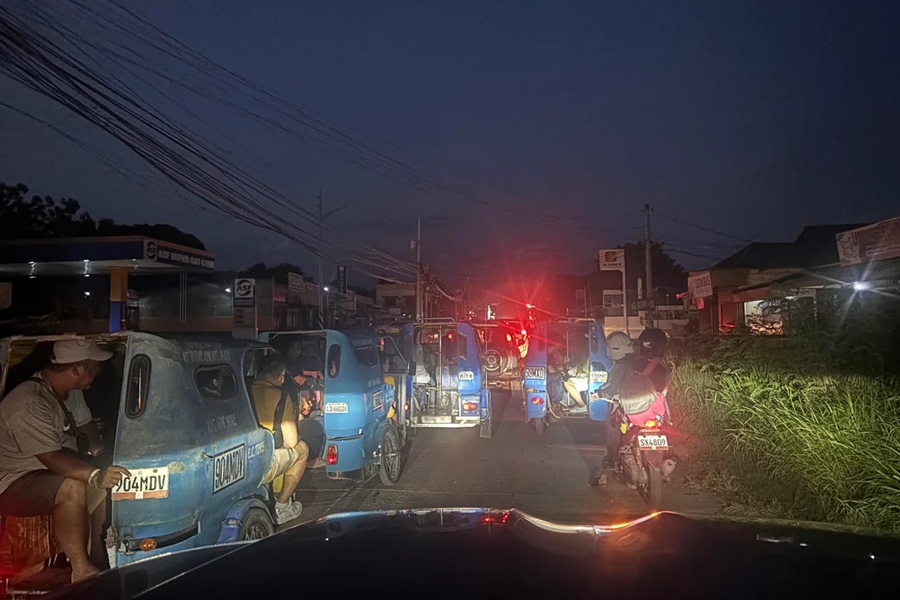
Not all legends are ancient. Some are very modern. Urban legends grow wherever people gather, and GenSan has plenty of modern settings for them: malls, terminals, subdivisions, schools, boarding houses, hospitals, and late-night food spots.
There are stories about mysterious passengers in tricycles or taxis. Stories about boarding houses where tenants hear knocking at the same time every night.
Stories about hospital corridors, old elevators, and rooms that staff supposedly avoid. Stories about cursed objects, unlucky houses, and strange figures caught on CCTV.
The modern urban legend has evolved. Before, a story needed a storyteller. Now it only needs a blurry screenshot, a vague caption, and someone saying, “Legit ni.”
But even with technology, the structure remains the same. Urban legends still depend on atmosphere, uncertainty, and the delicious possibility that maybe, just maybe, it happened.
Why GenSan Loves a Good Scary Story
Scary stories are not only about fear. They are also about connection. People tell them during brownouts, sleepovers, long drives, drinking sessions, family gatherings, and quiet nights when the conversation needs a spark.
A good scary story can turn ordinary people into performers. The voice drops. The pauses become longer. Someone interrupts with, “Ayaw oy.” Someone else asks for more details even though they are already scared.
In GenSan, these stories also reflect the city’s personality. GenSan is practical, hardworking, and energetic; but it also has a strong oral culture, a love of humor, and a deep respect for family and community memory.
The best local stories are rarely told in a polished way. They come with side comments, laughter, arguments, corrections, and someone insisting that the “real version” happened in their barangay. That is what makes them alive.
Myth, Memory, and the Changing City
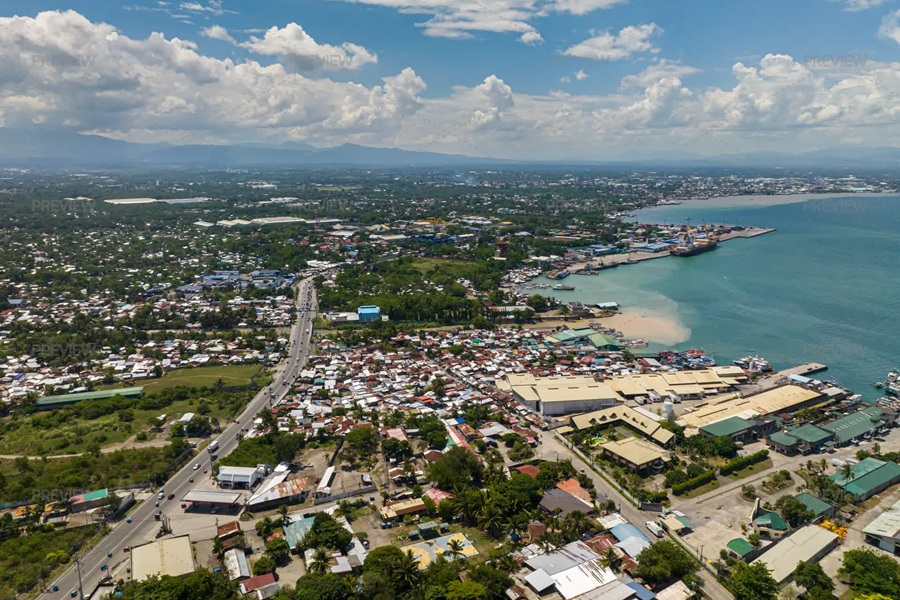
As GenSan continues to grow, some stories may fade. The old empty road becomes a busy commercial strip. The mysterious field becomes a subdivision. The building everyone feared gets renovated and brightly lit.
But new stories will always appear. That is how cities work. Every generation creates its own legends. What scared people decades ago may not scare young people today.
But the feeling remains the same: the thrill of not knowing, the comfort of shared fear, and the belief that the places we live in are more mysterious than they appear.
Local myths and urban stories give GenSan another layer. They remind us that a city is not made only of roads, buildings, businesses, and official history. It is also made of whispers, warnings, jokes, memories, and stories told after dark.
Wrap-Up
Whether you believe in ghosts, spirits, aswang, sea beings, or roadside apparitions is almost beside the point. The real magic of GenSan’s myths and urban stories is how they bring people together.
They preserve local memory. They make familiar places feel cinematic. They teach caution, respect, and humility. And sometimes, they simply make an ordinary night much more interesting.
So the next time someone in GenSan says, “Naa koy storya…” listen carefully.
It might be exaggerated. It might be impossible. It might be funny, frightening, or completely unbelievable. But if it has survived long enough to be told again, then it has already become part of the city.