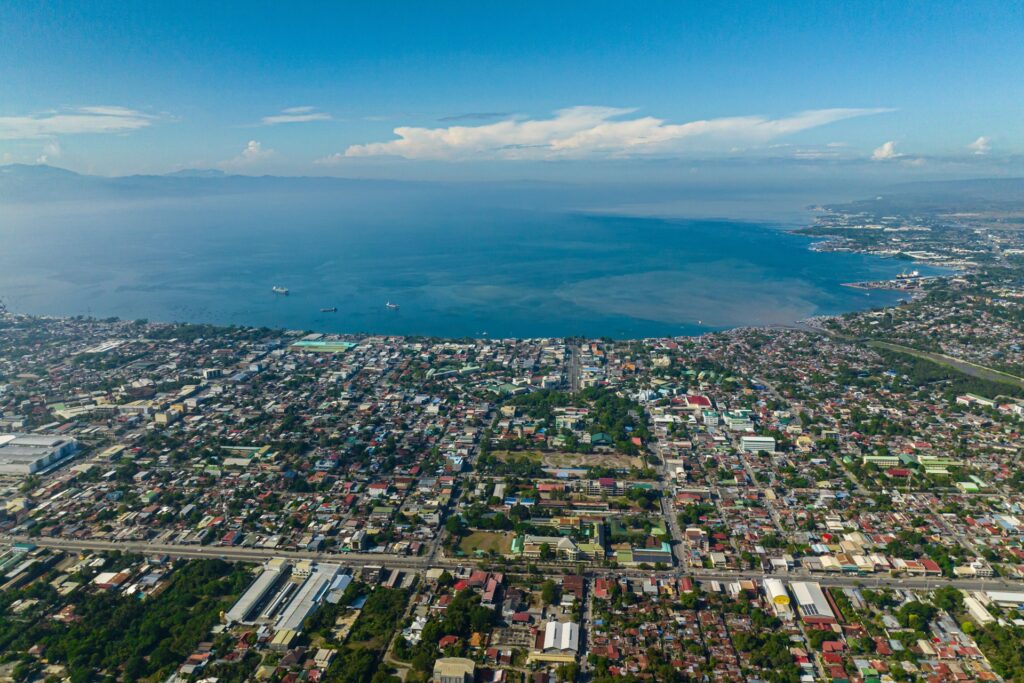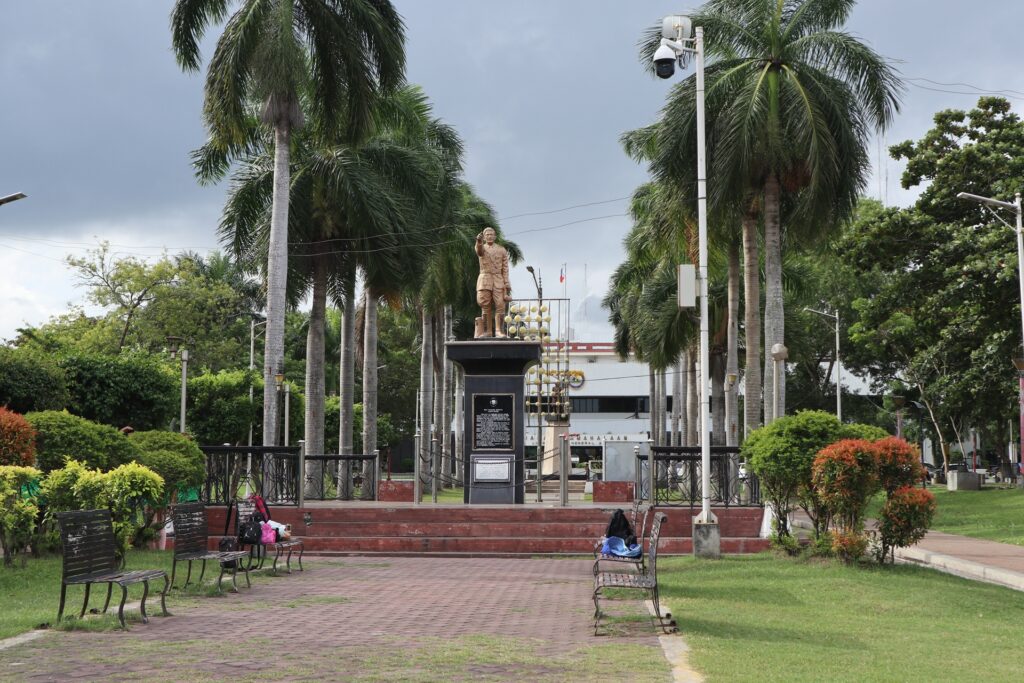
General Santos City is largely celebrated across the globe as the undisputed “Tuna Capital of the Philippines” and the hometown of boxing legend Manny Pacquiao.
But beneath the clatter of its roaring fish ports, the sun-drenched avenues, and the rapid economic expansion lies another profound narrative of growth. It is a story of faith, architectural marvels, and socio-political influence. Among the diverse religious tapestry of this booming southern metropolis, one institution stands out with its soaring spires and unified congregations: the Iglesia ni Cristo (INC).
To understand how this Philippine-born church became a formidable force in the deep south, we must trace its footsteps from the bustling streets of early 20th-century Manila to the fertile plains of Mindanao.
Brief History of Iglesia ni Cristo
The story of the Iglesia ni Cristo cannot be told without returning to July 27, 1914. During a volatile era marked by the outbreak of the First World War and the transition of the Philippines from Spanish Catholic rule to American secularism, a young Filipino named Felix Y. Manalo registered a new religious organization in Punta, Santa Ana, Manila.
Manalo, who had navigated through various Protestant denominations searching for biblical truth, claimed a divine revelation that the INC was the re-establishment of the original church founded by Jesus Christ. In a country overwhelmingly dominated by Roman Catholicism, this was a bold and audacious claim. Yet, what started with a handful of listeners in a small bamboo chapel quickly snowballed into a national religious movement.
The church’s rapid expansion was fueled by its strict adherence to biblical doctrines, a highly centralized administration, and a profound sense of unity among its brethren. Members, known as kapatid, were bound by rigid moral codes and regular worship services. By the time Brother Felix passed away in 1963, the INC had already established a formidable presence across Luzon and the Visayas. But the true test of the church’s expansionist zeal lay further south, in the untamed frontiers of Mindanao.
Early Missions to Mindanao
In the mid-20th century, the Philippine government launched massive resettlement programs, encouraging Filipinos from the heavily populated islands of Luzon and the Visayas to migrate to Mindanao, often dubbed the “Land of Promise.” Along with their families, farming tools, and dreams of a better life, these migrants brought their faith.
For the Iglesia ni Cristo, this migration presented both a challenge and an opportunity. The early missions to Mindanao were not for the faint of heart. Ministers traversing the southern islands faced logistical nightmares, cultural barriers, and harsh terrain. Often, worship services were held in makeshift huts, under the shade of massive trees, or in the modest living rooms of pioneering members.
Despite the hardships, the church’s methodical approach to grassroots evangelism paid off. The INC sent deeply devoted ministers who established local congregations (mga lokal) in remote agricultural towns. These newly formed enclaves provided a vital support system for the migrants. In a vast, unfamiliar land, the INC chapels became beacons of spiritual familiarity and communal survival, paving the way for the church’s eventual entry into the economic hubs of the south.
Rise in Gensan
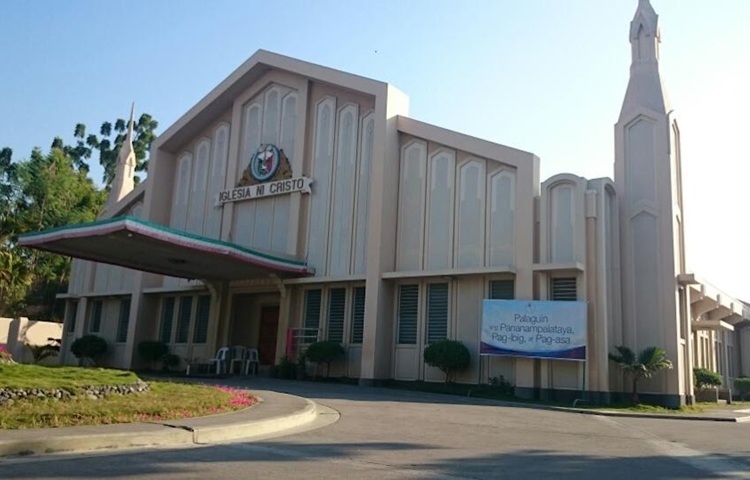
General Santos City, then known simply as Dadiangas, was a prime destination for settlers. As the municipality blossomed into a bustling chartered city in 1968, driven by the booming fishing and agriculture industries, the Iglesia ni Cristo mirrored this explosive growth.
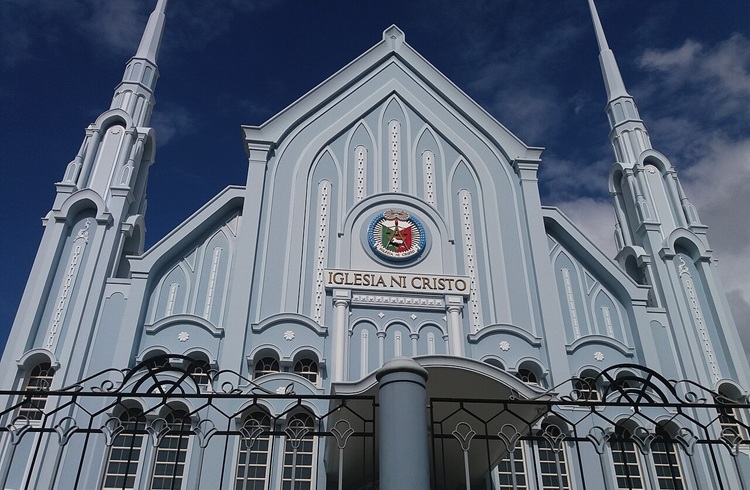
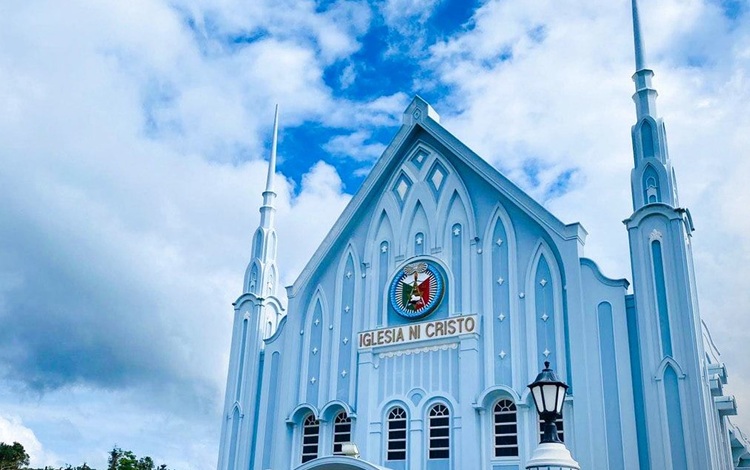
The rise of the INC in GenSan is perhaps best visualized through its architecture. In the early days, INC congregations gathered in simple wooden structures. However, as the membership grew, aided by relentless propagation (pamamahayag) and the city’s economic influx, the church began acquiring prime real estate. Soon, the humble wooden chapels were replaced by the church’s signature neo-Gothic architecture.
Today, you cannot drive through General Santos without noticing the gleaming, pastel-hued chapels with their intricate spires piercing the skyline. These structures, meticulously manicured and brightly illuminated at night, serve as visual testaments to the church’s rise. The growth in GenSan resulted in the establishment of the Ecclesiastical District of General Santos City, a massive administrative umbrella overseeing dozens of local congregations not just within the city proper, but spilling into the neighboring municipalities of Sarangani and South Cotabato.
The rise was not merely physical. As the members prospered in GenSan’s tuna industry, retail, and local commerce, their economic mobility strengthened the church’s local standing, making the INC a central pillar in the city’s civic life.
Today’s Situation
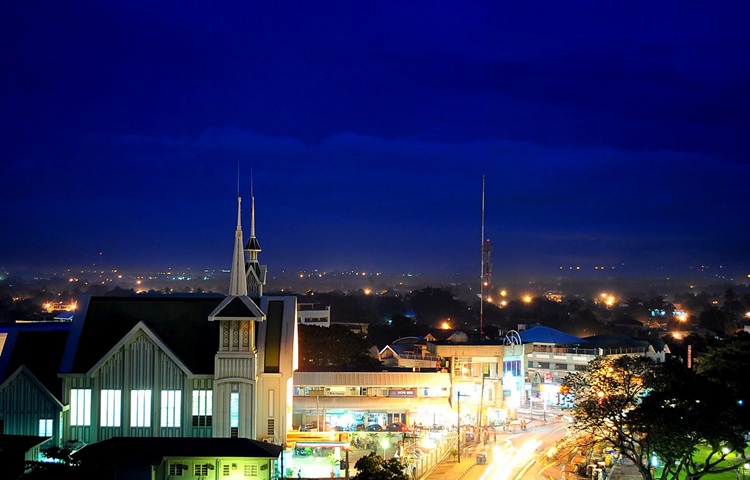
Today, the Iglesia ni Cristo in General Santos City operates with the precision of a well-oiled machine. It stands as one of the most visible and organized non-Catholic denominations in the region.
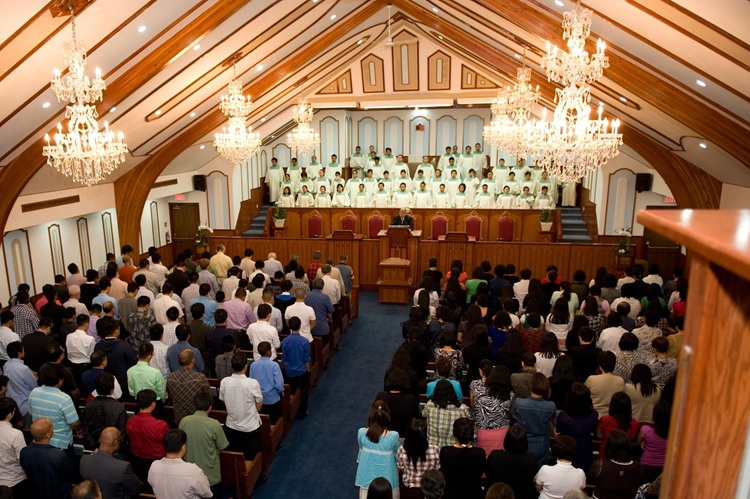
The local congregations are teeming with activity. Beyond the mandatory twice-a-week worship services, the INC in GenSan is deeply involved in community outreach. Through its Lingap sa Mamamayan (Aid to Humanity) programs, the church frequently conducts massive medical and dental missions, relief operations during natural disasters, and neighborhood clean-up drives. These initiatives ensure that the church’s presence is felt not just behind the pulpit, but on the streets of GenSan.
Furthermore, the youth and family organizations within the church, such as the Christian Family Organizations (CFO), are highly active, organizing large-scale sports tournaments, musical events, and civic gatherings that regularly draw thousands of attendees to local venues. The sheer logistical capability of the INC to mobilize thousands of its members in GenSan on any given day is a marvel of its centralized administration.
Public Opinion About Iglesia ni Cristo
Public perception of the Iglesia ni Cristo in General Santos City mirrors the national sentiment, a complex blend of deep respect, political pragmatism, and lingering theological intrigue.
Politically, the INC is viewed as a kingmaker. The church’s doctrine of unity dictates that its members vote as a single bloc during elections. In a highly competitive local political landscape like GenSan, securing the “INC endorsement” is often considered the holy grail for mayoral and congressional candidates. Come election season, politicians actively court the church leadership, recognizing that the unified vote of the GenSan district can easily sway tight races. This has naturally given the INC significant socio-political leverage in the city’s governance.
Socially, the broader public in GenSan admires the church for its exemplary discipline. Non-members often point to the pristine condition of INC compounds, the orderly conduct of its members during traffic-heavy worship days, and their unwavering dedication to their faith.
However, its strict exclusivity is also noted. The church’s theology, which asserts that salvation is found exclusively within the INC, naturally creates a theological boundary between members and outsiders. Some view the church as insular, given their strict rules prohibiting romantic relationships with non-members and the discouragement of participating in secular or Catholic-rooted local fiestas. Yet, in the diverse and multicultural melting pot that is GenSan, home to Christians, Muslims, and Indigenous Peoples, the INC is largely respected as a peaceful, highly organized, and vital segment of society.
Conclusion
The rise of the Iglesia ni Cristo in General Santos City is a fascinating chapter in the broader narrative of Philippine religious history. What began as a daring mission by early pioneers into the frontier of Mindanao has blossomed into an undeniable powerhouse of faith, architecture, and influence in the Tuna Capital of the World.
The towering spires of their chapels do more than just dominate the GenSan skyline; they represent a century-long journey of struggle, unity, and unprecedented growth. As General Santos City continues to expand its economic horizons, the Iglesia ni Cristo stands parallel to this progress: deeply rooted, ever-expanding, and resolute in its mission. For the kapatid in GenSan, the city is not just a place of economic promise but a proven stronghold of their faith.