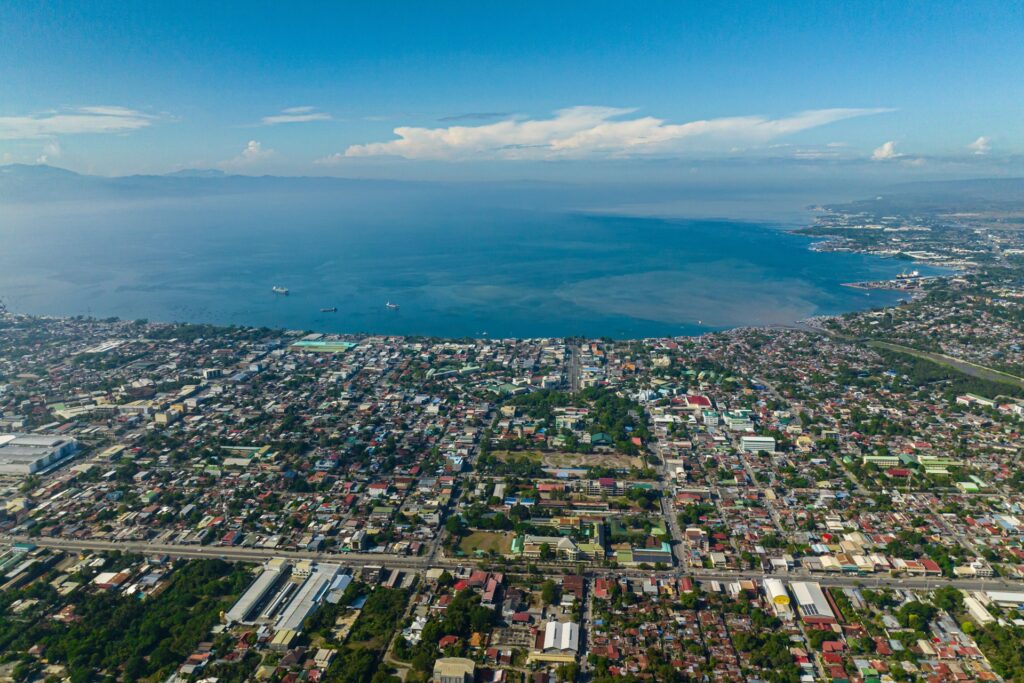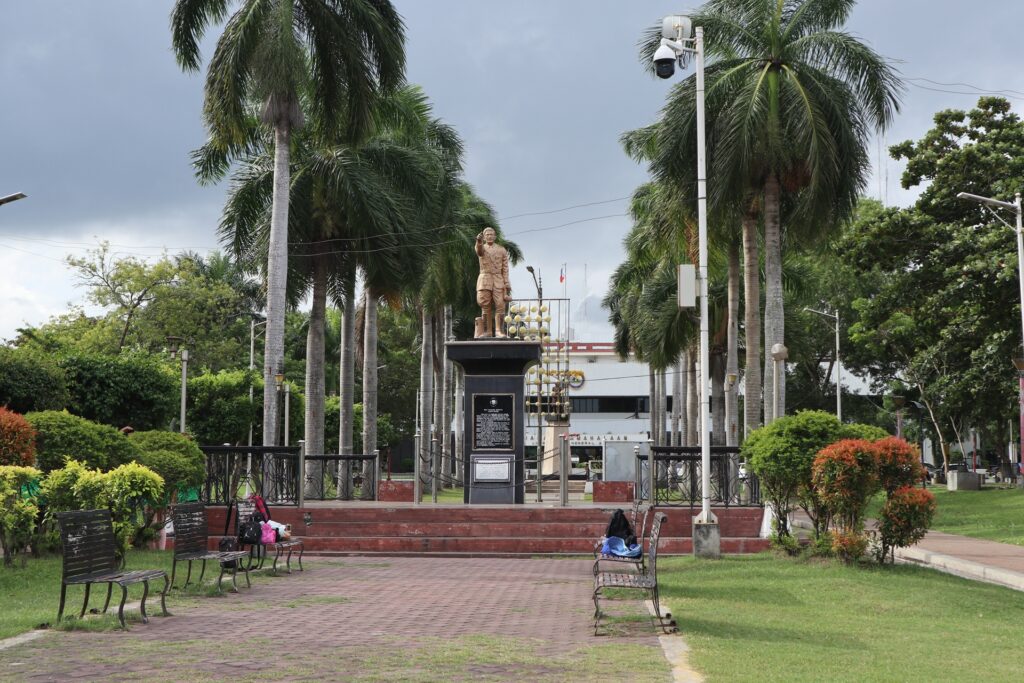
General Santos City, affectionately known as GenSan, is famous worldwide as the “Tuna Capital of the Philippines.”
Situated at the southern tip of Mindanao, hugging the shores of the bountiful Sarangani Bay, it is a bustling hub of commerce, industry, and marine export. But beyond the fleets of fishing vessels and the sprawling fish ports lies a treasure far more enduring than yellowfin tuna: its people.
To understand GenSan and the broader SOCCSKSARGEN (South Cotabato, Cotabato, Sultan Kudarat, Sarangani, and General Santos) region is to understand a profound demographic melting pot. This is a region founded on the concept of the “Tri-People”: the indigenous Lumad, the Islamized Moro, and the Christian settlers.
While the descendants of mid-20th-century Christian migrants (largely Cebuanos, Ilonggos, and Ilocanos) make up the majority of the population today, the cultural heartbeat of the city and its surrounding provinces is heavily defined by its rich array of ethnic minorities, historical immigrants, and modern expatriates.
The Lumad: The Original Guardians of the Land
The term Lumad is a collective Cebuano word meaning “indigenous” or “native,” used to describe the non-Muslim indigenous groups of Mindanao. Long before the arrival of General Paulino Santos and his settlement programs in 1939, these vast plains and rolling hills belonged to them.
The Blaan: The First Stewards of Dadiangas
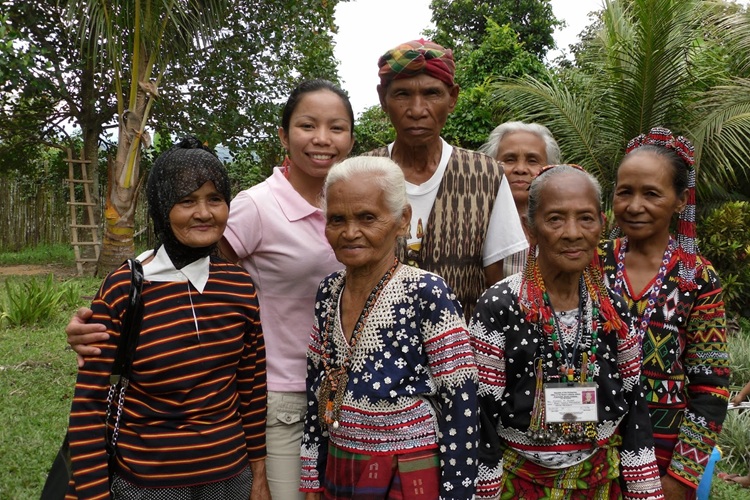
Before it was General Santos City, the area was known to its original inhabitants as “Dadiangas,” named after a thorny tree once abundant in the region. The Blaan (also spelled B’laan) are the aboriginal stewards of this territory.
Historically, the Blaan were a hill-dwelling people who practiced swidden (slash-and-burn) agriculture, cultivating rice, corn, and root crops, supplemented by hunting and fishing in Sarangani Bay. Culturally, they are renowned for their intricate brass casting and their traditional weaving art, the Mabal Tabih. The Tabih is a masterpiece of abaca cloth dyed with natural colors derived from endemic roots and leaves.
With the mass migration of Christian settlers in the mid-20th century, many Blaan were pushed further into the mountainous hinterlands of adjoining Sarangani and South Cotabato provinces. Today, there are active efforts to reclaim their narrative in GenSan. Villages in the outskirts of the city still hold on to Blaan traditions, and their language and culture are celebrated during the city’s Kalilangan Festival, an annual event that honors the city’s foundational heritage.
The Tboli: The Dreamweavers of Lake Sebu
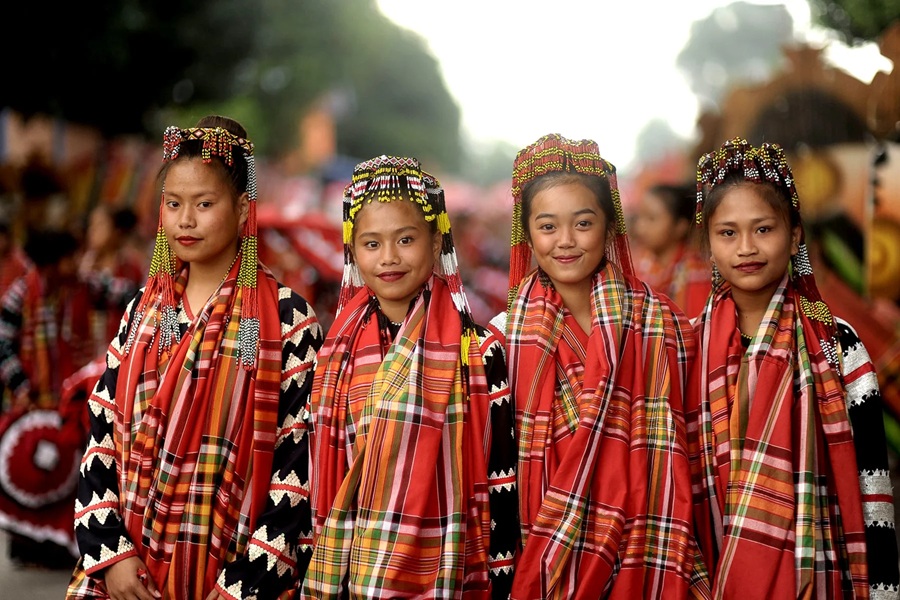
While the Blaan dominate the immediate vicinity of GenSan, the neighboring province of South Cotabato, particularly the area around Lake Sebu, is the ancestral domain of the Tboli (or T’boli). Due to economic and educational opportunities, a substantial Tboli minority lives and works in General Santos City.
The Tboli are culturally spectacular. They are most famous for their T’nalak, a sacred abaca cloth woven in complex, deep red, black, and beige patterns. The designs are not planned on a loom; rather, they are revealed to the women in their dreams by the spirit of the abaca, Fu Dalu, earning them the moniker “Dreamweavers.”
In GenSan, Tboli influence is woven into the local arts and crafts industry. You can often see Tboli artisans selling brass bells, heavily beaded jewelry, and T’nalak fabrics at craft fairs and public markets in the city. Their traditional music, featuring the hegalong (a two-stringed wooden lute) and the rhythmic beating of gongs, provides the soundtrack to many regional cultural presentations.
The Manobo: Keepers of the Forest
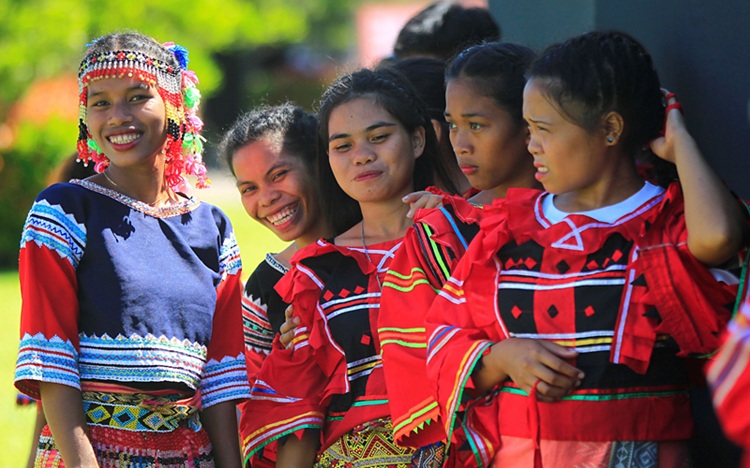
Further inland, scattered across the provinces stretching from Sarangani up to the Cotabato regions, are pockets of the Manobo people. The term Manobo encompasses several distinct subgroups, but they share a common thread of deep animistic spirituality and agriculture-based lifestyles.
In the GenSan context, Manobo individuals often migrate to the city for tertiary education or employment. The Manobo’s story is often one of quiet resilience. They possess an incredibly rich oral tradition, including epics chanted by a walian (shaman or spiritual leader) that dictate their social codes and environmental conservation practices. While less visible in the urban center than the Blaan, their cultural footprint on the wider region’s ecology and heritage remains significant.
The Moro: The Islamic Heritage of the South
South central Mindanao is deeply intertwined with Islamic history, predating the Spanish colonization of the Philippines by centuries. The Muslim ethnic groups, collectively known as the Moro people, are vital to the cultural and economic life of General Santos.
The Maguindanaon: People of the Flooded Plains
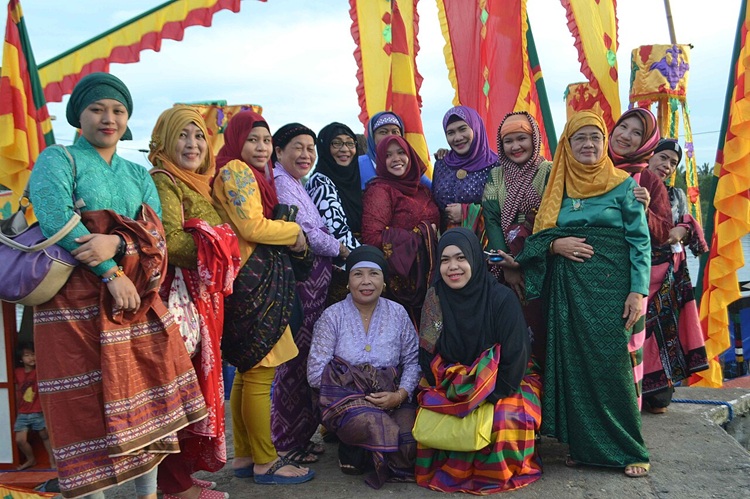
The Maguindanaon traditionally inhabited the vast pulangi (river) basins of the Cotabato empire. As one of the largest Islamic groups in Mindanao, their historical sphere of influence extended down to the Sarangani Bay area.
In GenSan, the Maguindanaon form a significant and influential minority. They are prominent in local politics, business, and civil society. Culturally, they are the masters of the Kulintang—an ensemble of bossed gongs laid in a row, played primarily by women. The hypnotic, rhythmic interlocking beats of the Kulintang are a staple at Muslim weddings and civic events in GenSan. The Maguindanaon bring a regal Muslim heritage to the city, preserving traditional Islamic jurisprudence and deeply ingrained familial alliances (referred to as maratabat, which denotes honor and dignity).
The Maranao: The Ubiquitous Merchants of the Lake
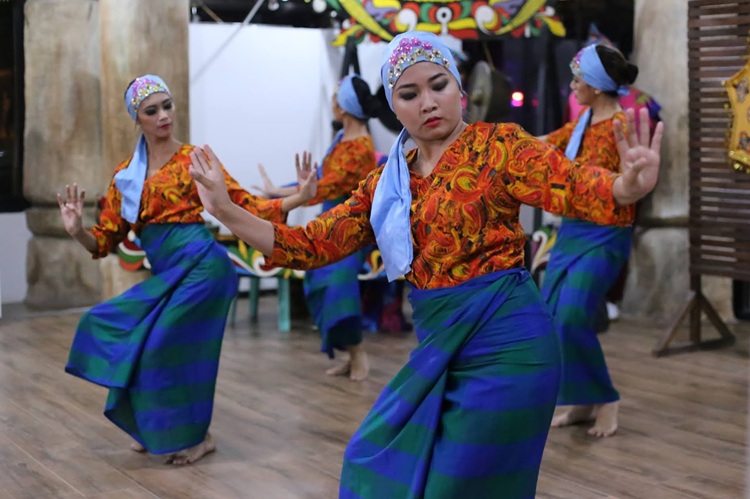
Originating from the shores of Lake Lanao (hence their name, “People of the Lake”), the Maranao are perhaps the most visible Moro group in the urban landscape of General Santos City.
The Maranao are exceptionally skilled traders, merchants, and entrepreneurs. Walk into any major public market, cell phone repair hub, or dry goods bazaar in GenSan, and you are almost guaranteed to be engaging with a Maranao vendor. They trade in everything from DVDs and electronics to malong (traditional tube skirts), pearls, and intricate brassware.
Beyond commerce, the Maranao bring their proud regal culture to the city. They are known for the Okir—a traditional geometric and flowing floral design system used in their woodcarvings (such as the sweeping Sarimanok bird) and textiles. Their tight-knit communities in GenSan showcase their strong religious devotion, usually centered around building vibrant local mosques and madrasas (Islamic schools) within their enclaves.
The Tausug: The Warrior-Seafarers of Sulu
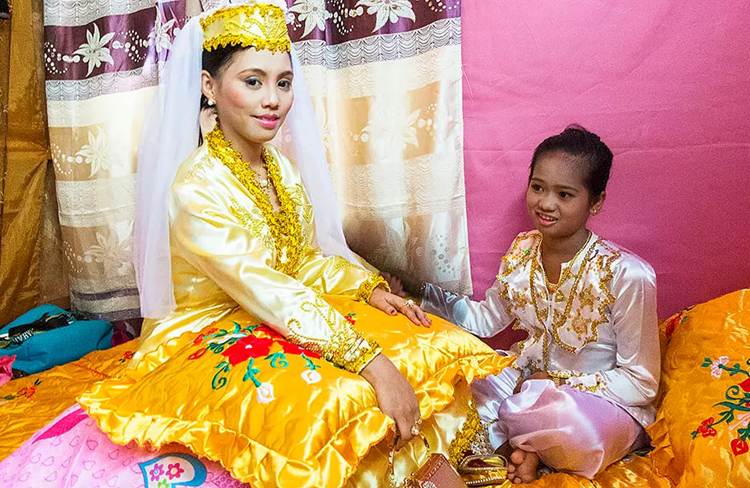
Originating from the Sulu Archipelago in the deep south, the Tausug (“People of the Current”) have found a home in the coastal metropolis of GenSan. Historically known as fierce warriors and skilled sailors, the Tausug in GenSan are heavily involved in the maritime and fishing industries, making perfect use of their ancestry in the “Tuna Capital.”
The Tausug are known for their strong coffee culture (kahawa sug) and their delectable culinary heritage, including tiyula itum (a spicy black beef soup made with burned coconut meat). In GenSan, Tausug communities are tight-knit, bound by a history of defiance against colonizers and a strict adherence to Islam. They add a layer of maritime expertise and fierce entrepreneurial spirit to the city’s coastal economy.
The Sama-Bajau: The Sea Gypsies of the Coastlines
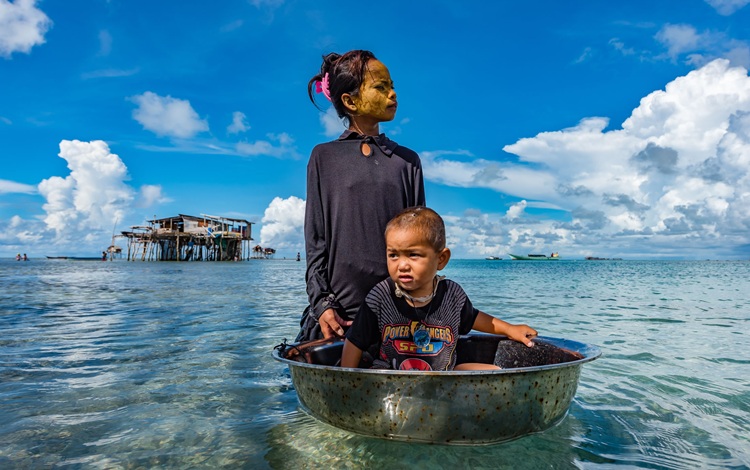
Perhaps one of the most marginalized yet fascinating groups in the region are the Sama-Bajau (often simply called Badjao). Known globally as “Sea Gypsies,” these historically nomadic seafaring people trace their origins to the Sulu Archipelago and the Celebes Sea.
Drawn by the economic prospects of GenSan’s booming fishing industry and fleeing conflicts in Western Mindanao, Bajau communities have settled in stilt houses along the coastal barangays of General Santos, such as Bula and Bawing.
The Bajau are legendary free-divers and fishermen. Some older Bajau can still dive to incredible depths without modern equipment, hunting for fish and pearls, their eyes adapted to seeing clearly underwater. However, urban displacement has been harsh for this gentle, non-violent community. Many have been relegated to begging on the city streets or diving for coins thrown by passengers from inter-island ferries. Despite these immense challenges, there is a push from both government and NGOs in GenSan to provide formal education for Bajau youth while respecting their profound connection to the ocean.
Sinama.org is a website dedicated to the preservation of the Sama-Bajau language and culture.
Asian and Foreign Integration: The New Waves of Migrants
General Santos City is not merely a convergence point for native Filipinos; it is an international port city. The tuna boom of the 1970s and 80s transformed a dusty frontier town into a highly globalized economic zone, drawing people from all over the world.
The Chinese-Filipinos (Tsinoys): The Pioneers of Commerce
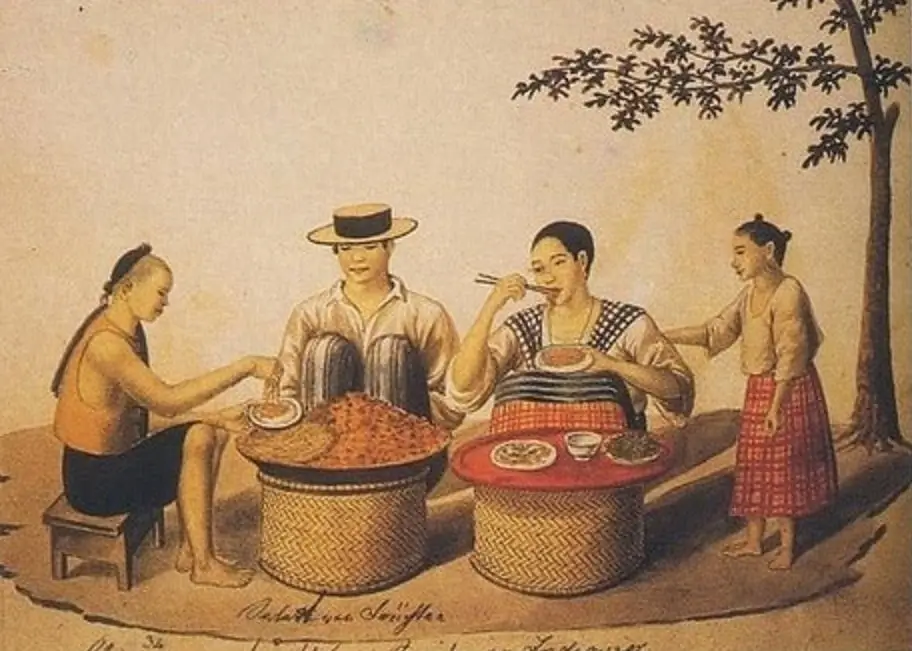
While ethnic Chinese have traded with Mindanao for centuries, the modern influx of Chinese-Filipinos in GenSan began vigorously in the mid-to-late 20th century. The Tsinoys are the backbone of GenSan’s local economy.
They established the large hardware stores, the milling companies, the initial retail chains, and played a massive role in capitalizing the commercial fishing fleets. The Tsinoy community in GenSan is unique; they speak a blend of Hokkien, Tagalog, and Cebuano/Ilonggo. They have integrated deeply into the socio-political fabric of the city, with many Tsinoy families holding prominent roles in the local chambers of commerce and government.
Walking downtown, the fusion of cultures is palpable. Bakeries sell traditional hopia alongside localized pandesal, and massive Lunar New Year parades snake alongside Christian and indigenous festivals. The Tsinoy community serves as the enduring economic bridge connecting GenSan’s local producers to wider Asian markets.
The Foreign Expats: Globalization and the Tuna Trade
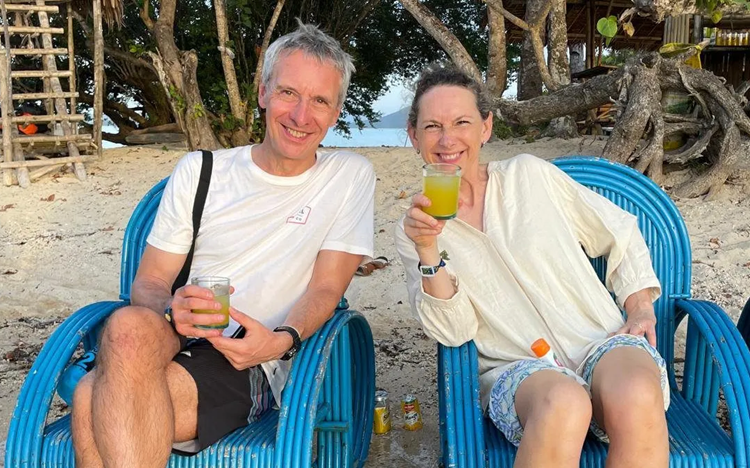
General Santos has a remarkably diverse expatriate community, driven by industry, religion, and lifestyle.
The Japanese Influence
The moniker “Tuna Capital” owes much to the Japanese. In the 1970s, Japanese traders discovered the rich yellowfin tuna fishing grounds of the Celebes Sea and Sarangani Bay. This sparked a massive influx of Japanese fishing experts, traders, and businessmen who established the direct export routes from GenSan to the Tsukiji Market (now Toyosu) in Tokyo. As a result, GenSan has a notable Japanese-Filipino community. The city boasts authentic Japanese restaurants founded by expats, and the Japanese method of fish handling and grading has become institutionalized among local workers.
Indonesians
Because GenSan shares maritime borders with Indonesia (particularly North Sulawesi), there is a significant Indonesian population in the region. Many Indonesian fishermen end up in GenSan due to intertwined maritime activities, and there is an official Indonesian Consulate in neighboring Davao to cater to the thousands of Persons of Indonesian Descent (PIDs) living in the Sarangani/GenSan area. They bring with them their cuisine, language, and cultural kinship, blending seamlessly with the local Muslim populations.
Americans and Europeans
The surrounding agricultural promise (particularly in multinational plantations like Dole in nearby Polomolok) brought American executives early on. Today, the Western expat community comprises businessmen, missionaries, NGO workers, and retirees. They are drawn to GenSan for its lower cost of living, accessibility to pristine beaches in Sarangani, and the warm, welcoming nature of the locals.
South Koreans
Like many dynamic Philippine cities, GenSan has seen a recent surge in South Korean expats. They come globally as tourists to dive in Sarangani Bay, but many stay to establish English Language Academies, second-hand clothing (ukay-ukay) imports, and Korean grocery stores. The Korean presence is heavily felt in the local culinary scene, with samgyeopsal (Korean BBQ) restaurants becoming incredibly popular hangouts for the local youth.
Convergence: Festivals, Food, and the Future
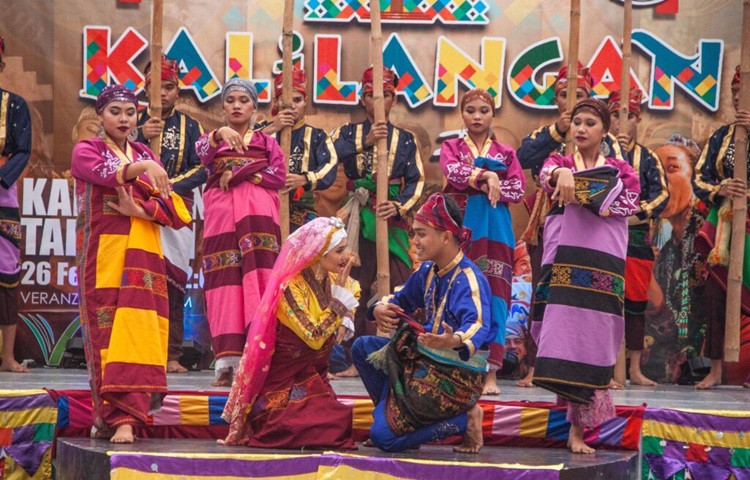
How do all these diverse groups, a mix of animist indigenous tribes, deeply religious Muslims, Christian migrants, Chinese merchants, and global expats, live together?
The answer lies in the city’s deliberate push for harmony, best epitomized by its festivals. GenSan’s Kalilangan Festival (held every February) derives its name from a Maguindanaon word meaning festival or jubilation. It specifically celebrates the giving and receiving of gifts and the spirit of peace among the Tri-People. During this festival, the streets echo with Blaan brass bells, Moro kulintang gongs, and the lively drumbeats of Christian street dancers.
The culinary landscape of GenSan also acts as a great equalizer and a reflection of its demography. A typical weekend food trip might include eating Pastil (a Maguindanaon dish of rice topped with shredded chicken wrapped in a banana leaf) for breakfast, enjoying a high-grade Tuna Sashimi (a nod to the Japanese expats and the local fishing industry) for lunch, and having a dinner of Chicken Inasal (an Ilonggo migrant staple) at the local night market.
Stories from the Margins: Challenges Facing the Minorities
Despite the romanticism of the melting pot, the ethnic minorities in GenSan and the surrounding region face sobering realities and continuous struggles.
For the Blaan and Tboli, the struggle is primarily geographical and environmental. Ancestral domain issues remain heavily contested. Mining operations in adjoining South Cotabato threaten the watershed and the ancestral lands that the Lumad consider sacred. Furthermore, while their weaving (Tabih and T’nalak) is celebrated, the artisans themselves often receive a fraction of the profits when their products are commercialized in urban boutiques. There is a continuous fight to protect intellectual property rights over their traditional patterns.
For the Moro communities, navigating the stigma associated with the decades-long separatist conflicts in other parts of Mindanao has been historically difficult. Though GenSan itself has largely remained peaceful and economically progressive, Moro minorities often deal with subtle prejudices. However, the establishment of the Bangsamoro Autonomous Region in Muslim Mindanao (BARMM)—though GenSan is not part of it—has fostered a renewed sense of pride, identity, and regional stability that positively impacts the Moro populations living in the city.
The Sama-Bajau face perhaps the most acute humanitarian crisis. Driven from the sea by commercial fishing monopolies and maritime conflicts, transitioning to a land-based, urban slum lifestyle has been disastrous to their traditional way of life. Environmental pollution in the coastal barangays directly threatens their livelihood, and civic organizations in GenSan are constantly working—sometimes struggling—to integrate Bajau children into formal educational systems without erasing their native culture.
Conclusion
General Santos City is much more than a geographical launchpad for yellowfin tuna and the hometown of boxing legend Manny Pacquiao. It is a living, breathing diorama of Philippine history and globalization.
From the mountain-dwelling Blaan weaving dreams into abaca, to the Maranao merchants trading in the bustling market blocks; from the Bajau free-diver plunging into the deep blue of Sarangani Bay, to the Japanese grader meticulously inspecting a massive tuna; and from the Tsinoy families facilitating massive trade vessels to the Tboli musicians plucking the hegalong—the minorities of GenSan form an intricate, indispensable tapestry.
They remind us that a city’s true wealth does not merely lie in its industry or its natural resources, but in the myriad ways its people; from all walks of life, from the mountains, the rivers, the distant islands, and foreign shores; find a way to build a shared home under the southern sun.