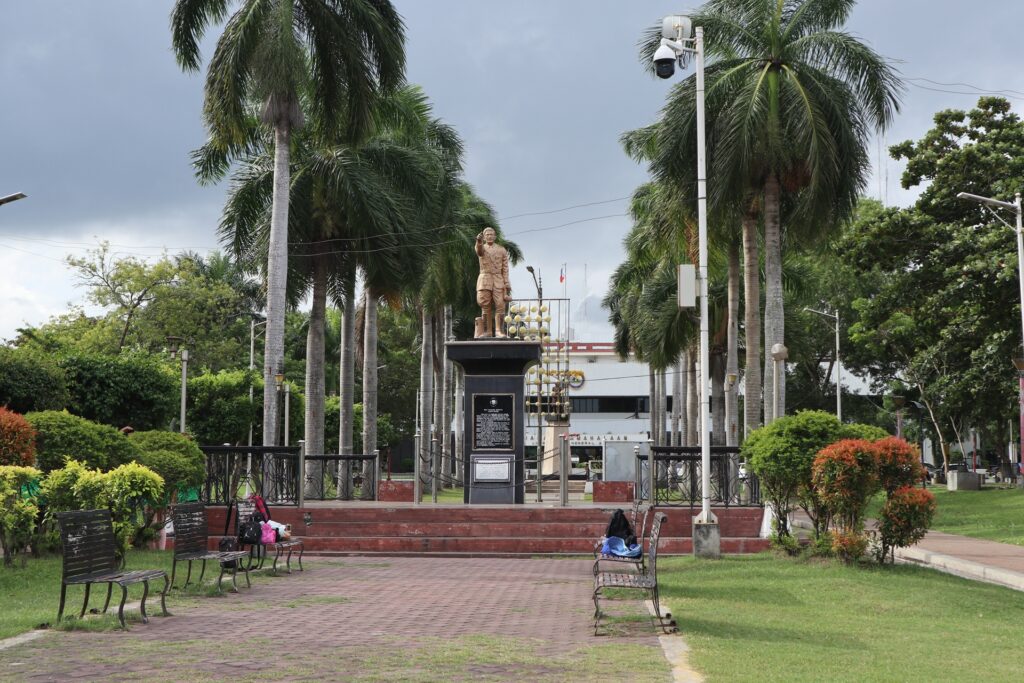
When people think about Airbnb, they often picture beach destinations, bustling tourist districts, or major international cities.
Yet the influence of short-term rental platforms extends far beyond famous tourism hotspots. In General Santos City, a growing number of homeowners, investors, and travelers are participating in an emerging accommodation ecosystem powered by Airbnb, Booking.com, Agoda Homes, and similar rental platforms.
The rise of short-term rentals raises important questions. Are these platforms creating new economic opportunities for local residents? Do they help attract visitors and stimulate spending? Or do they contribute to housing pressures, neighborhood disruption, and unfair competition with traditional hotels?
The answer, as is often the case, is complicated.
For General Santos City, the impact of Airbnb appears largely positive today, though several challenges could emerge if the sector expands rapidly without adequate regulation.
A Different Kind of Tourism City
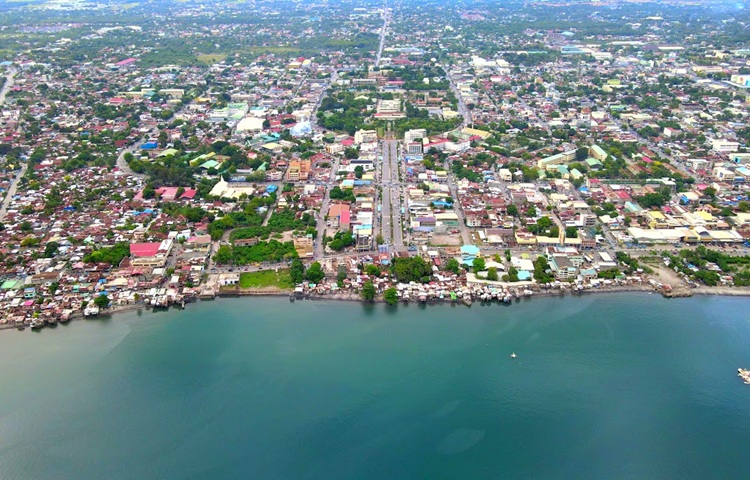
Unlike Boracay, Siargao, Cebu, or Baguio, General Santos City is not primarily a leisure tourism destination. The city serves as a regional commercial center, a major fishing and tuna-processing hub, a logistics gateway, and an important business destination within the SOCSKSARGEN region.
As a result, many visitors are not traditional tourists. Instead, they include business travelers, returning overseas Filipinos, families visiting relatives, conference participants, medical travelers, and regional tourists exploring nearby destinations.
This distinction is important because the effects of Airbnb in a business-oriented city differ significantly from those in a heavily tourism-dependent destination.
Redistributing Tourism Income
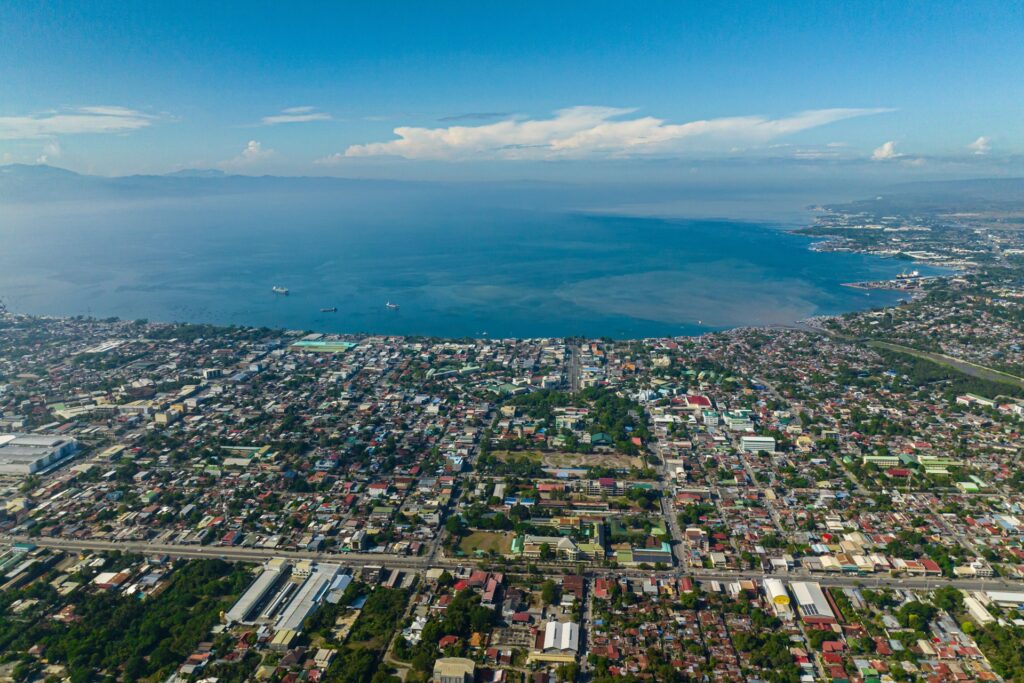
One of the most significant economic benefits of Airbnb is its ability to redistribute tourism revenue.
Traditionally, visitors stayed in hotels, pension houses, or established hospitality businesses. While these accommodations generate employment and tax revenue, most tourism spending related to lodging remains concentrated among a relatively small number of operators.
Short-term rental platforms allow ordinary homeowners to participate directly in the tourism economy.
When a visitor rents a spare room, townhouse, condominium, or entire house through Airbnb, income flows directly to local residents. The host earns revenue, cleaners and maintenance workers gain employment, and nearby businesses benefit from increased customer traffic.
Instead of tourism money being concentrated within hotel districts, spending spreads into residential neighborhoods. This creates a more decentralized and inclusive tourism economy, allowing a wider segment of the population to benefit from visitor spending.
Encouraging Longer Stays and More Spending

Accommodation costs are often one of the largest expenses travelers face. Because Airbnb properties frequently offer lower prices than hotels, visitors may choose to stay longer or visit more frequently.
Families and groups, in particular, can save substantial amounts by renting an entire house instead of booking multiple hotel rooms.
The savings rarely disappear. Instead, visitors often redirect their spending toward restaurants, transportation, shopping, local attractions, and entertainment.
For General Santos City, this means increased business for local eateries, transportation providers, public markets, shopping centers, and tourism operators. Many travelers also use the city as a base for exploring Sarangani Province, South Cotabato, and Lake Sebu, further extending the economic impact throughout the region.
Turning Empty Homes into Productive Assets
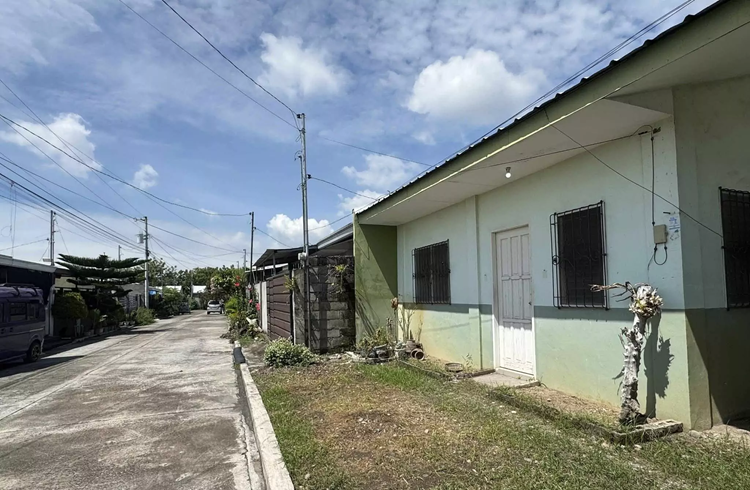
Perhaps the strongest economic argument in favor of Airbnb is its ability to utilize idle assets.
Many properties remain vacant for long periods. Some belong to overseas Filipino workers. Others are inherited homes, unused guesthouses, or investment properties awaiting long-term tenants.
Without short-term rental platforms, these properties generate little economic value. Airbnb transforms them into income-producing assets.
This additional income can help homeowners cover mortgage payments, maintenance costs, property taxes, and household expenses. For some families, hosting becomes a meaningful supplementary source of income.
In a city where overseas employment and migration play important economic roles, this ability to monetize underutilized housing can be particularly valuable.
New Jobs Beyond Hotels

While Airbnb is often discussed as a platform rather than an employer, it nevertheless generates employment opportunities.
Every active rental requires cleaning, maintenance, repairs, guest communication, and property management. Some hosts hire cleaners and caretakers, while larger operators employ dedicated staff.
The impact extends beyond accommodation itself. Drivers transport guests. Restaurants receive additional customers. Laundry services process linens. Furniture suppliers, appliance retailers, and home improvement businesses benefit from hosts upgrading their properties.
Unlike hotel employment, these opportunities are distributed across many small businesses and individual service providers, helping spread economic benefits throughout the local economy.
Making Travel More Affordable for Families
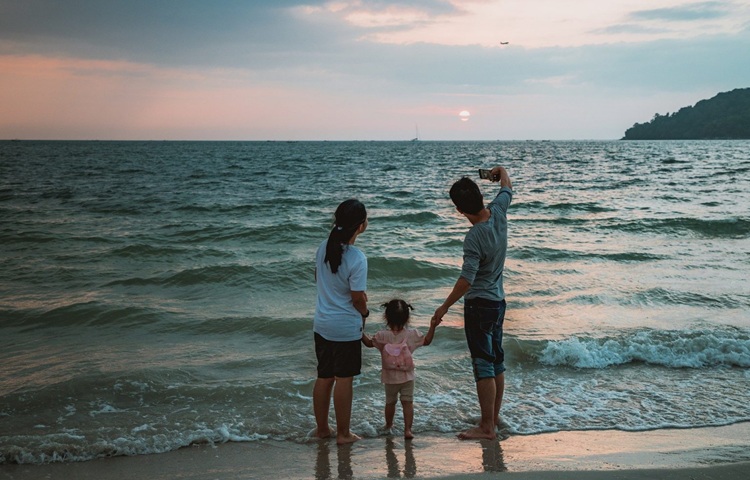
Hotels are designed primarily around individual rooms, which can become expensive for larger groups.
Airbnb properties frequently offer entire homes with multiple bedrooms, kitchens, living rooms, and laundry facilities. For families visiting relatives or attending events in General Santos City, these accommodations often provide better value and greater convenience.
This affordability increases accessibility to travel, allowing more people to visit the city who might otherwise find accommodation costs prohibitive.
The Housing Question
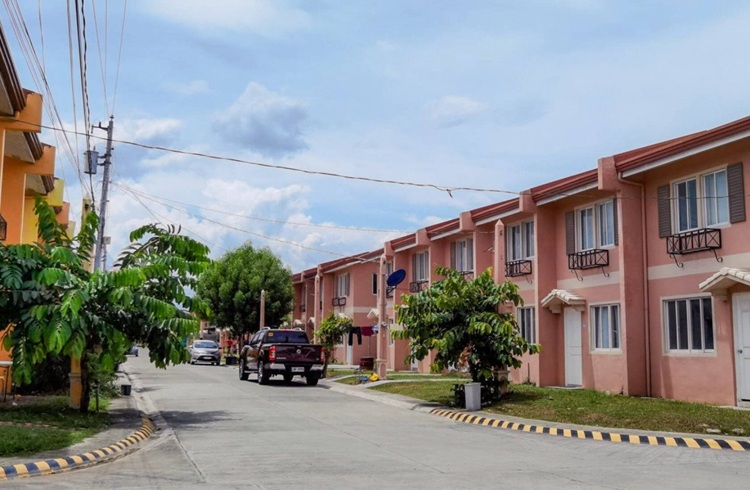
While the economic benefits are substantial, Airbnb’s most controversial impact worldwide involves housing.
In many cities, property owners have discovered that short-term rentals generate significantly higher returns than traditional long-term leases. As a result, housing units originally intended for residents have been converted into tourist accommodations.
This phenomenon has contributed to rising rents and housing shortages in cities such as Barcelona, Lisbon, Amsterdam, and New York.
Fortunately, General Santos City does not currently appear to face this problem on a significant scale.
Tourism demand remains relatively modest compared with major destinations. Housing supply is generally more available, and the short-term rental market remains relatively small.
However, this does not mean the risk should be ignored. If tourism grows substantially and large numbers of investors begin purchasing homes specifically for short-term rental operations, housing affordability could become a future concern.
When Housing Becomes a Business Asset
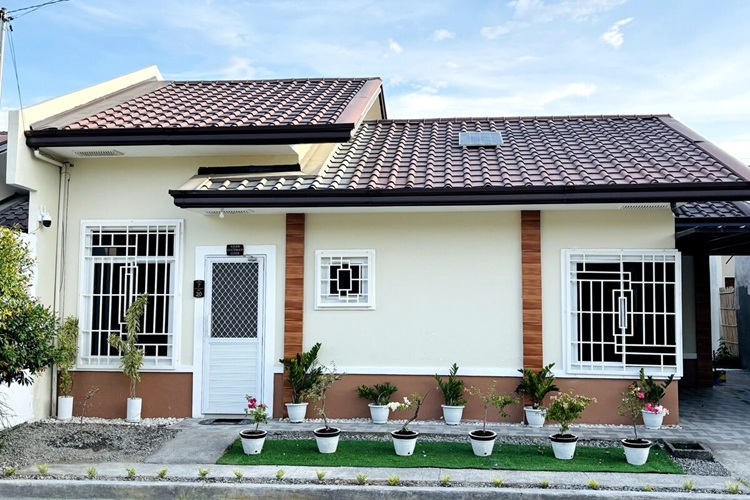
A distinction exists between a homeowner renting out a spare room and an investor operating multiple short-term rental properties.
The former typically represents the sharing economy. The latter resembles a commercial hospitality business.
As professional operators enter the market, housing increasingly becomes viewed as an investment vehicle rather than a place to live. This can change property market dynamics and potentially reduce housing availability for local residents.
At present, General Santos City’s short-term rental market appears to remain largely driven by individual hosts rather than large-scale commercial operators. Nevertheless, the evolution of this trend deserves monitoring.
Uneven Competition and Tax Concerns

The hotel industry frequently argues that Airbnb creates an uneven playing field.
Hotels must comply with numerous regulations, including business permits, fire safety requirements, labor standards, inspections, and taxation obligations.
Some short-term rental operators may not face the same level of scrutiny or may not fully comply with regulatory requirements.
This disparity can create competitive advantages for short-term rentals while reducing government tax revenue.
The issue is not unique to General Santos City. Similar debates occur throughout the Philippines and around the world as governments struggle to modernize regulations for the digital accommodation economy.
Neighborhood Concerns and Community Impact
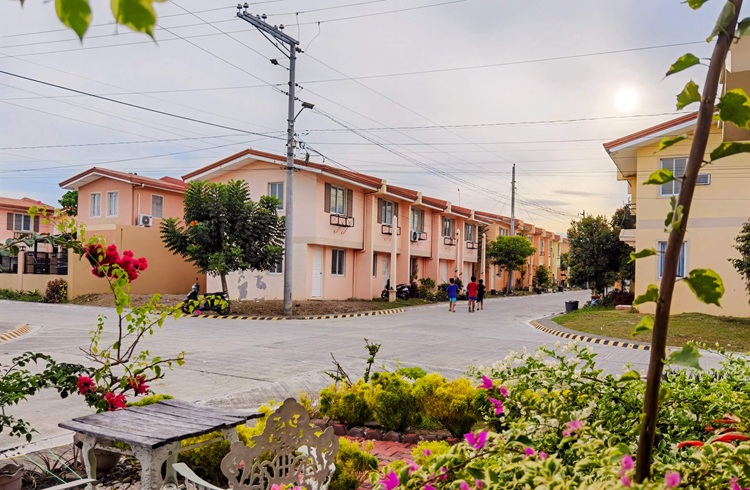
Short-term rentals can also affect the character of residential communities.
In areas with high concentrations of tourist accommodations, residents sometimes complain about noise, parking congestion, trash disposal problems, and the constant turnover of unfamiliar visitors.
Over time, neighborhoods may begin to feel less like communities and more like transient lodging districts.
Fortunately, General Santos City currently experiences relatively low tourism intensity, reducing the likelihood of widespread neighborhood disruption. Most residential areas remain overwhelmingly occupied by permanent residents.
Still, if certain subdivisions become heavily concentrated with short-term rentals, these concerns may become more visible.
Safety and Quality Standards
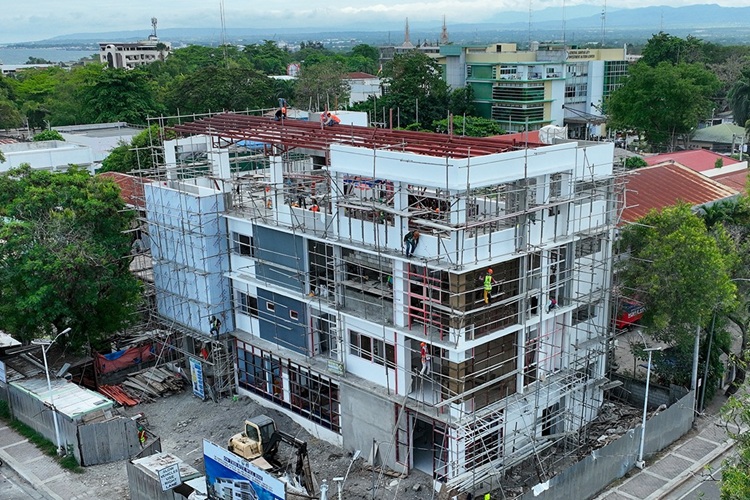
Hotels are generally subject to standardized safety requirements. Short-term rentals vary considerably in quality and preparedness.
Some hosts maintain excellent safety standards and provide smoke detectors, emergency information, and secure facilities. Others may not.
This variability creates potential risks related to fire safety, emergency preparedness, security, and guest protection.
As the industry grows, governments often introduce registration systems and inspections to ensure minimum safety standards across all accommodations.
What Is the Local Government Doing?
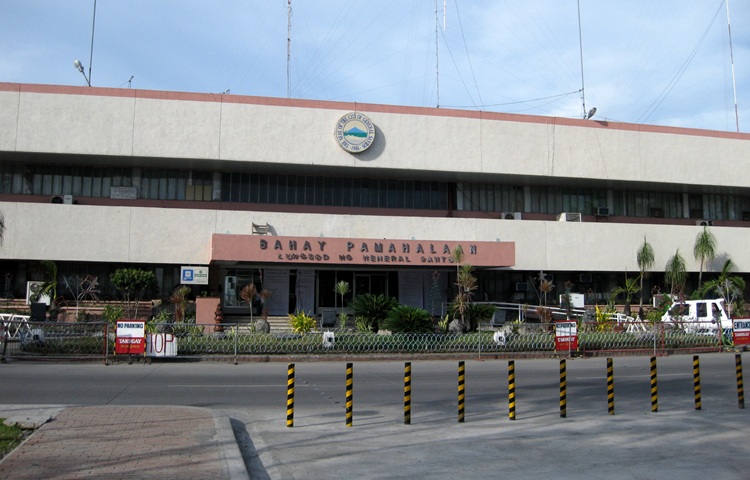
At present, General Santos City appears to maintain a relatively light regulatory approach toward short-term rentals.
Hosts may still be subject to business registration requirements, barangay clearances, tax obligations, and other applicable regulations. However, the city has not developed the extensive regulatory frameworks seen in some major tourism destinations.
This reflects a broader challenge faced by local governments.
If regulation is too weak, authorities risk tax leakage, safety concerns, and future housing pressures. If regulation becomes too restrictive, they may discourage entrepreneurship, reduce accommodation supply, and limit tourism growth.
The ideal solution typically lies somewhere in the middle: registration systems, basic safety requirements, tax compliance measures, and transparent reporting obligations that protect public interests without stifling innovation.
How Do People Feel About Airbnb?

Public opinion remains mixed but generally favorable.
Property owners, hosts, and many entrepreneurs view Airbnb as an opportunity to generate additional income and participate directly in tourism.
Travelers appreciate the affordability, flexibility, and larger accommodations available through short-term rental platforms.
Hotels, on the other hand, often express concerns about regulatory fairness and competitive balance.
Housing affordability has not yet become a major public issue associated with Airbnb in General Santos City, though experiences from other cities suggest this could change if the sector expands rapidly.
Looking Ahead
The future impact of Airbnb in General Santos City will depend largely on growth and governance.
Today, the platform primarily functions as an economic opportunity. It expands accommodation capacity, distributes tourism income, creates jobs, utilizes vacant housing, and provides affordable lodging options for visitors.
The negative effects that dominate debates in major tourism destinations—housing shortages, resident displacement, and neighborhood transformation—remain limited.
However, history from cities around the world demonstrates that these problems can emerge gradually and become difficult to reverse once established.
For General Santos City, the challenge is not deciding whether Airbnb is good or bad. The challenge is ensuring that its benefits continue to outweigh its costs as the city develops.
If managed carefully, short-term rental platforms can serve as valuable tools for economic growth, tourism development, and household income generation. If left entirely unchecked, they may eventually create the same housing and community tensions that many cities are struggling to address today.
The decisions made over the next decade will determine which path General Santos City ultimately follows.