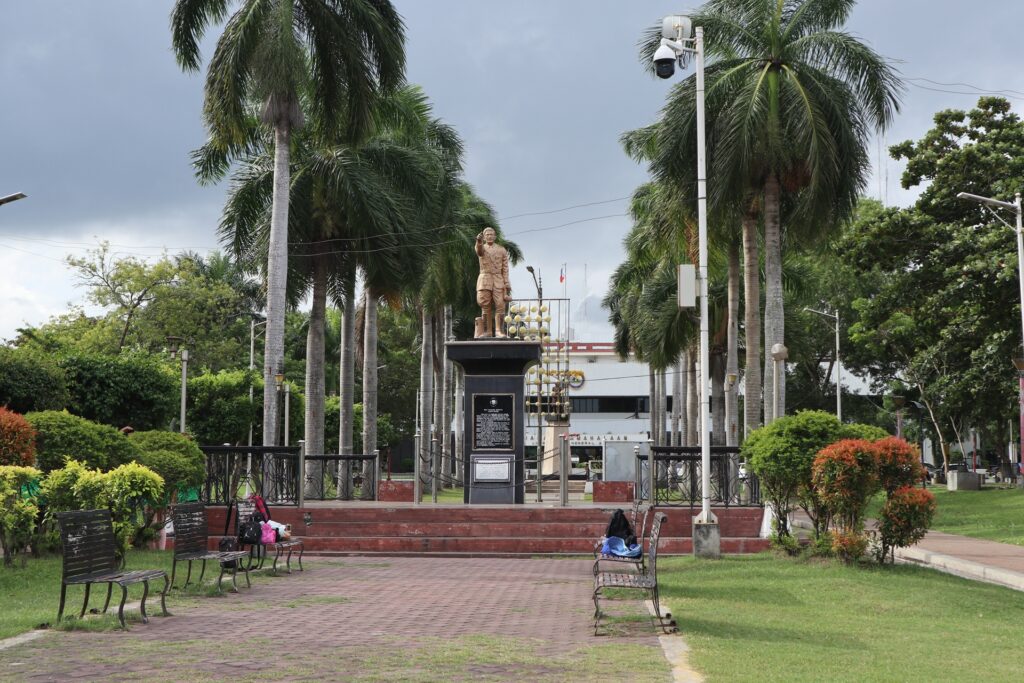
In General Santos, transportation is part of everyday life. Thousands of commuters rely on tricycles and jeepneys to get to work, school, markets, and other destinations. Because fares can sometimes vary depending on distance, time of day, and negotiation between passengers and drivers, the creation of a fare calculation web application is a commendable initiative: GenSan Transport
The developers behind the app deserve credit for attempting to bring more transparency to local transportation. By providing an estimated fare based on known routes and fare rules, the application can help commuters understand what a reasonable price might be and reduce confusion for first-time passengers. It also demonstrates how local technology projects can address real community concerns and encourage discussions about fair and consistent transportation pricing.
However, while the initiative is valuable, it is important to recognize the practical limitations of a web-based fare calculator and the reasons why it cannot, by itself, solve the problem of inconsistent fares.
Web App Limitations
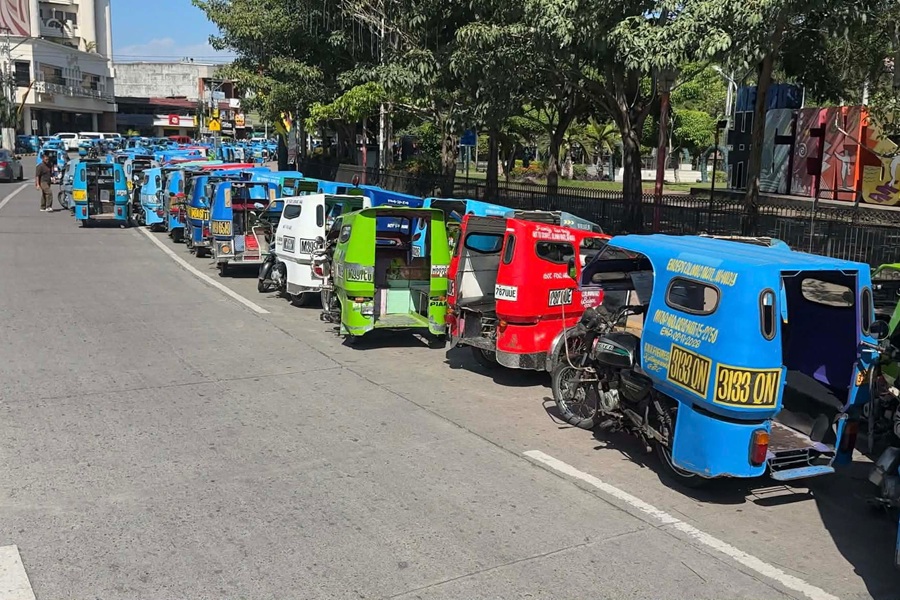
One limitation is that GenSan Transport project is implemented as a web application rather than a native mobile application. For a simple fare calculator, this choice is understandable because it is cheaper to develop, works on both Android and iPhone, and can be updated instantly without requiring users to download new versions.
Nevertheless, a web app has several disadvantages in this context:
- Internet dependency: Users generally need a data connection to access the app, whereas a mobile app could store fare tables locally and work fully offline.
- Slower access: Commuters must open a browser and load the website instead of simply tapping an installed app icon.
- Limited device integration: Features such as advanced GPS usage, offline storage, and push notifications are easier to implement in a native mobile app.
- Lower visibility: Because the app is not distributed through app stores, fewer users may discover and regularly use it.
These limitations do not make the web app useless, but they reduce its convenience and long-term adoption potential.
Why the App Cannot Change Fare Prices
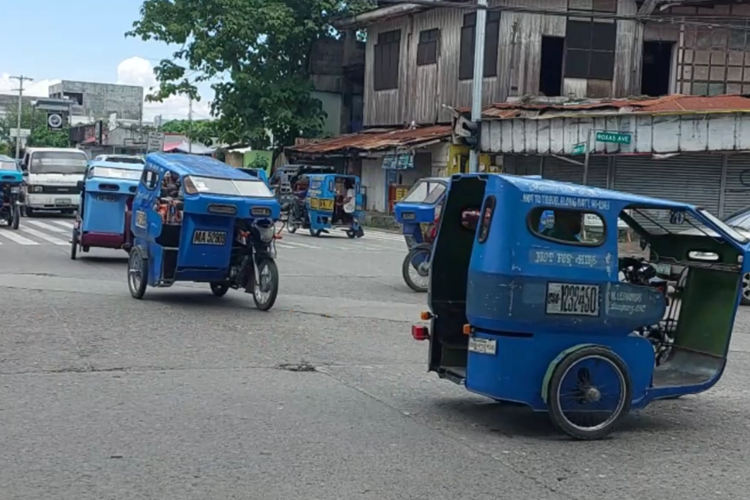
The more important limitation is that GenSan Transport app cannot control the actual price charged by drivers.
In many tricycle trips in General Santos, the fare is influenced by haggling or negotiation. The amount a passenger pays may depend on:
- Traffic conditions
- Time of day
- Weather
- Distance
- Waiting time
- Baggage or additional passengers
- The driver’s assessment of fuel costs and demand
Because the fare is often negotiated, the application can only provide a recommended or estimated fare. It has no legal or regulatory authority to enforce that amount. A driver may ask for a higher price, and a passenger may still agree to pay it if they are in a hurry or have limited transportation options.
In other words, the app improves transparency, but it does not create enforcement. The final fare remains the result of an agreement between the driver and the passenger.
Alternative Solutions
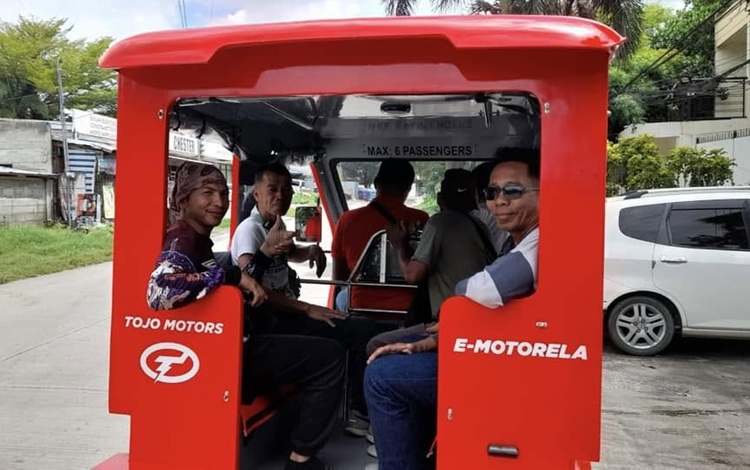
If the goal is to achieve more consistent and predictable transportation fares, a fare calculator should be viewed as only one part of a broader solution.
Several alternatives or complementary measures could have a stronger impact:
Enhanced Mobile Application
A future version of the project could become a native mobile app with offline support, GPS-based distance calculation, fare history, and official fare updates from local authorities.
Community-Based Fare Reporting
Passengers could report the fare they actually paid for specific routes. Over time, this would create a database showing both official fares and commonly charged fares.
This approach would not eliminate overcharging, but it would improve transparency. If a route consistently costs more than the official fare, regulators would have evidence to investigate whether enforcement is lacking or whether fare policies need updating.
Increase of Jeepney and Bus Lanes
Adding more Jeepney lanes will naturally force tricycle drivers to compete with price or risk being outpriced.
Conclusion
GenSan Transport web application is a positive and constructive attempt to address a real community issue. It promotes transparency, helps commuters estimate reasonable fares, and demonstrates local innovation aimed at improving public transportation.
However, its effectiveness is limited by the constraints of a web app and, more importantly, by the reality that many tricycle fares are determined through negotiation rather than strict enforcement. The application can inform passengers and drivers, but it cannot compel them to follow a specific price.
For that reason, the app should be seen not as a complete solution to fare inconsistency but as a useful reference tool that could become more effective when combined with official fare policies, public education, and cooperation between local authorities and transport operators.