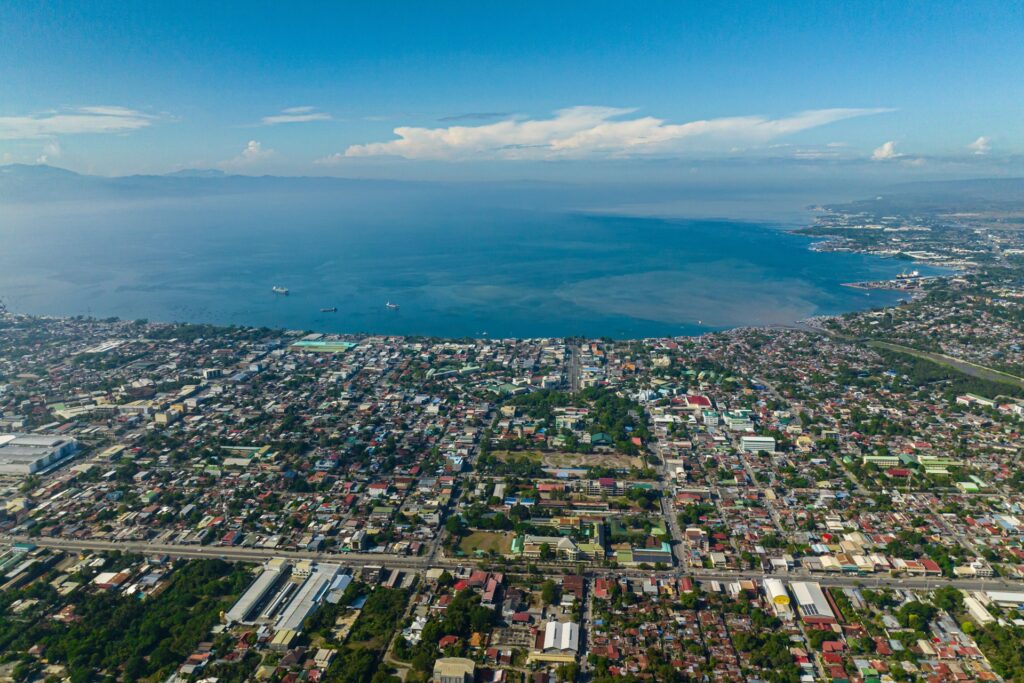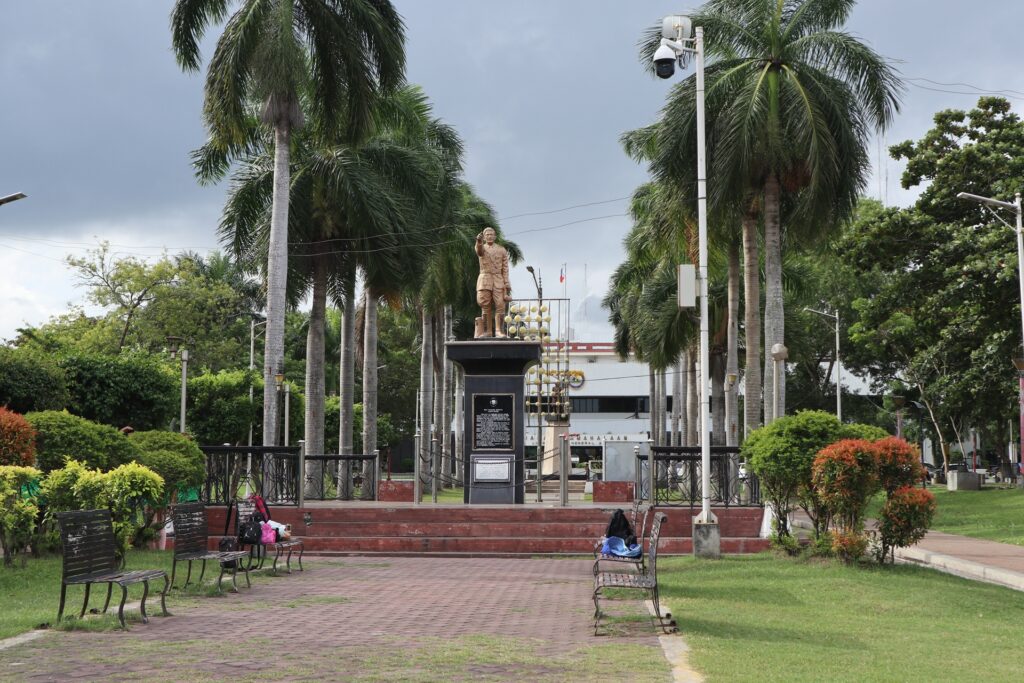
A powerful offshore earthquake struck near General Santos City on Monday morning, causing deaths, injuries, structural collapses, hospital evacuations and widespread disruption across parts of southern Mindanao. Authorities say the situation remains fluid, with rescue teams still assessing damaged buildings, checking reports of missing people and verifying the full extent of the damage.
According to multiple sources, the earthquake hit at 07:37 local time and was measured at magnitude 7.8. The quake struck off the coast of southern Mindanao, near Sarangani and General Santos City, one of the region’s major urban and commercial centers.
The Philippine Institute of Volcanology and Seismology, or Phivolcs, reported that the quake was generated by movement along the Cotabato Trench, a major earthquake-generating structure facing parts of southern Mindanao.
As of the latest available reports, the earthquake has killed at least 32 people across affected areas, with more than 200 others injured. Some later civil defence figures placed the toll even higher, with preliminary reports of 37 deaths, 479 injuries and 4 missing across Mindanao still being verified.
In General Santos City, one of the hardest-hit urban areas, reports said at least 7 to 11 residents died, while around 130 to 142 people were injured. Because rescue, inspection and validation work is still ongoing, these figures may continue to change as authorities release updated information.
Buildings Collapse Across the City
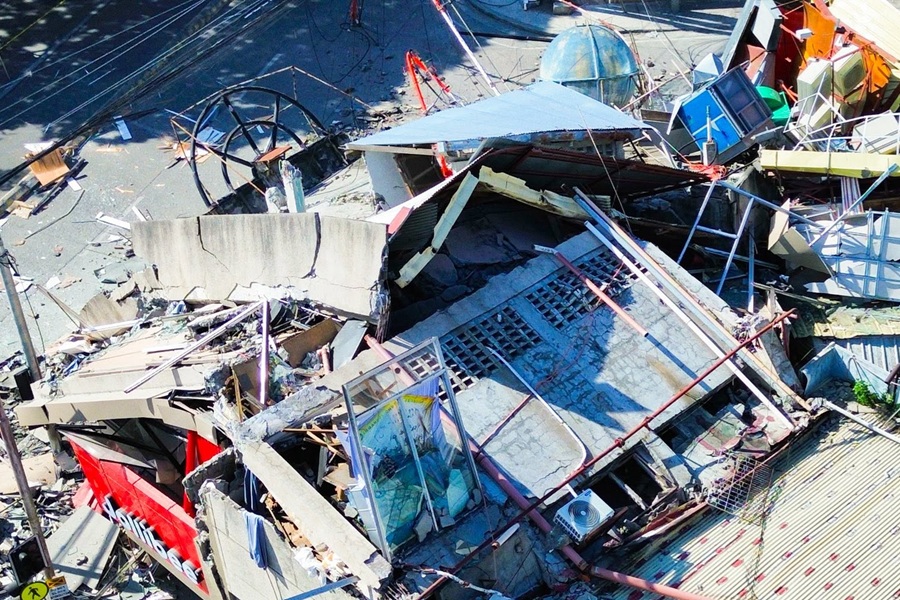
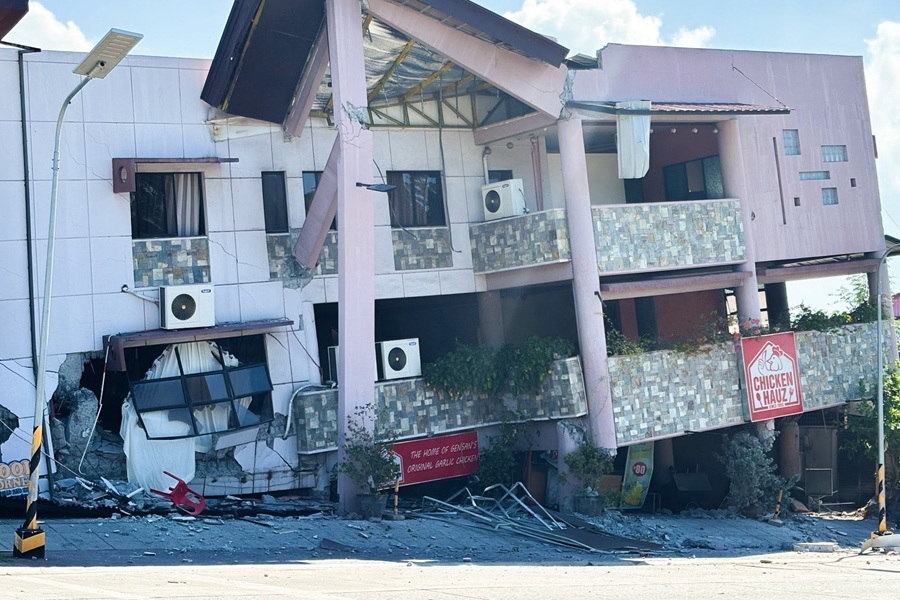
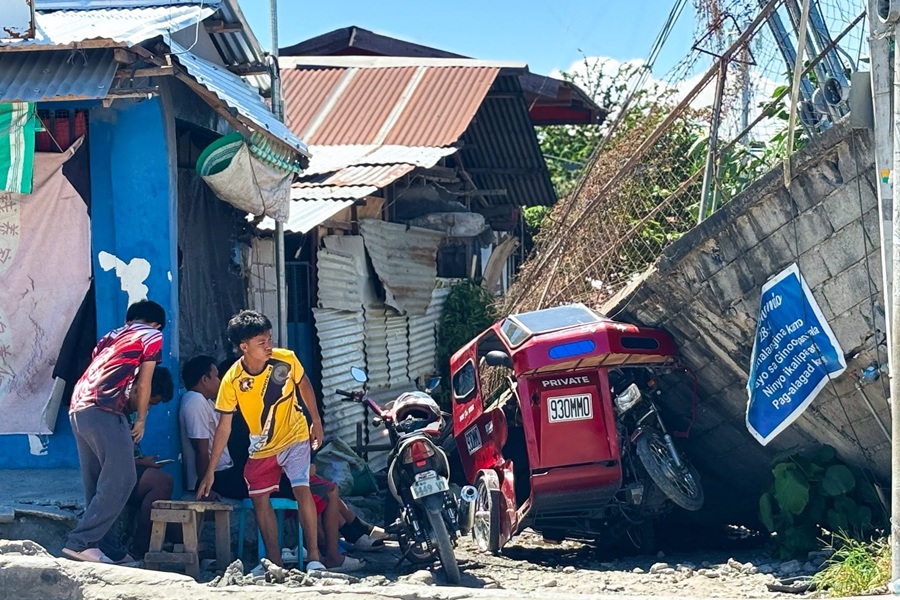
The earthquake caused immediate fear across General Santos and nearby areas. Videos and photos from the city showed collapsed and heavily damaged structures, including a building housing a Jollibee restaurant, which crumbled during the shaking. Multiple reports said that several commercial establishments, homes and public-facing buildings were damaged in General Santos City.
Philstar reported that major commercial establishments, hospitals, malls, food chains and restaurants in the city sustained damage, while emergency responders continued checking affected barangays including Calumpang, Tambler, Lagao, Tinagacan, Apopong, Bula, Fatima, San Isidro and Labangal.
In the first hours after the quake, rescuers and local authorities focused on checking collapsed or weakened structures, clearing debris and helping residents move away from unsafe areas. Officials also warned people not to re-enter homes, offices or commercial buildings showing cracks, leaning walls, fallen ceilings or other visible signs of structural damage.
Hospitals, Schools and Public Facilities Affected
Local and international reports point to serious impacts on hospitals, schools, roads and transport infrastructure. Several reports said hospitals in General Santos and nearby affected areas sustained damage, forcing some patients and medical personnel to move outside or seek treatment in temporary areas. The Philippine Red Cross also reported that some injured residents had to be treated in makeshift settings because of fears that damaged hospital structures could be unsafe.
Schools were also affected as the quake struck during the opening of the school year. Videos from affected areas showed students frightened during the shaking as teachers and school personnel tried to keep them calm and move them to safer areas. Reports also mentioned damage to school buildings, including collapsed or partially damaged structures in parts of Mindanao.
The damage to hospitals and schools is especially serious because these facilities are essential during a disaster. Hospitals are needed for emergency treatment, while schools often serve as evacuation sites or community gathering points. Before these buildings can be used again, engineers and safety officials need to inspect them for cracks, weakened columns, damaged ceilings, electrical hazards and other risks.
General Santos Airport Operations Suspended
General Santos International Airport also suspended operations for safety assessments after the earthquake. The Civil Aviation Authority of the Philippines ordered checks on air navigation facilities, equipment and operational capability before normal service could resume.
This matters because airport closures can complicate the arrival of rescue workers, medical teams and relief supplies, especially if roads or ports are also disrupted. Passengers were advised to coordinate with airlines while safety inspections were being conducted.
Tsunami Warnings Issued After Offshore Quake
The quake also triggered tsunami warnings across parts of the region. The Philippines, Indonesia, Japan and other nearby areas issued alerts after the offshore tremor.
BBC reported that tsunami waves were recorded in several areas, including Mindanao, Palau, Indonesia and Davao, though most warnings were later lifted. Phivolcs recorded minor tsunami waves in six areas of Mindanao, with the highest reported wave reaching 1.4 meters.
President Ferdinand Marcos Jr. urged residents in threatened coastal areas to move to higher ground, warning people not to wait and saying that life was more important than anything left behind.
Why General Santos Felt Strong Shaking
Beyond the immediate destruction, the earthquake raises serious safety concerns for General Santos and surrounding communities. The city sits close to Sarangani Bay and near active seismic zones in southern Mindanao.
Philstar reported that Phivolcs linked the event to movement along the Cotabato Trench, the same major geologic structure associated with the devastating 1976 Moro Gulf earthquake and tsunami. That historical comparison does not mean the current event will have the same outcome, but it underlines why authorities treated the tsunami threat seriously.
Because the quake occurred offshore and at a relatively shallow depth, strong shaking was felt in coastal and urban areas near the epicenter. Shallow earthquakes usually release energy closer to the surface, which can make damage more severe, especially in buildings that are old, poorly reinforced or already weakened.
Aftershocks Remain a Major Concern
Aftershocks remain one of the biggest dangers after the main quake. Authorities recorded numerous aftershocks following the magnitude 7.8 earthquake, and some were strong enough to create further fear among residents and responders.
Damaged buildings can become more dangerous during aftershocks. Even if a structure did not collapse during the first shaking, its columns, walls, stairways, glass panels or ceilings may have weakened. This is why officials continue to warn residents not to enter damaged homes, malls, hospitals, schools or commercial buildings until they have been inspected.
The situation remains a developing disaster. While updated reports already show a significant human toll, officials are still assessing damage to homes, commercial buildings, hospitals, schools, roads, bridges and public infrastructure.
Residents in General Santos, Sarangani, South Cotabato and nearby coastal areas should continue following advisories from Phivolcs, local disaster risk reduction offices, police, the Philippine Red Cross and city officials.
What Residents Should Do Now
For residents affected by the quake, the most important step is to avoid entering damaged buildings until they have been inspected by qualified personnel. Cracks, leaning walls, fallen ceilings, broken glass, exposed wiring and unusual sounds from a structure should all be treated as warning signs.
People in coastal communities should also continue monitoring official tsunami advisories, even if earlier warnings have been lifted. Families should prepare emergency bags, keep phones charged when possible, check on elderly neighbors and avoid spreading unverified reports online.
For now, the priorities are clear: rescue those trapped or injured, keep people away from unstable structures, restore power and communications, inspect hospitals and schools, and ensure coastal communities remain alert for possible aftershocks or sea-level disturbances.
The full scale of the disaster may only become clear after engineers and emergency responders complete inspections across the city and surrounding municipalities.
Sources
Information in this article is based on current reports from BBC News, Al Jazeera, Reuters, and Philstar. This is a developing story, so casualty figures and damage assessments may change as officials release updated information.