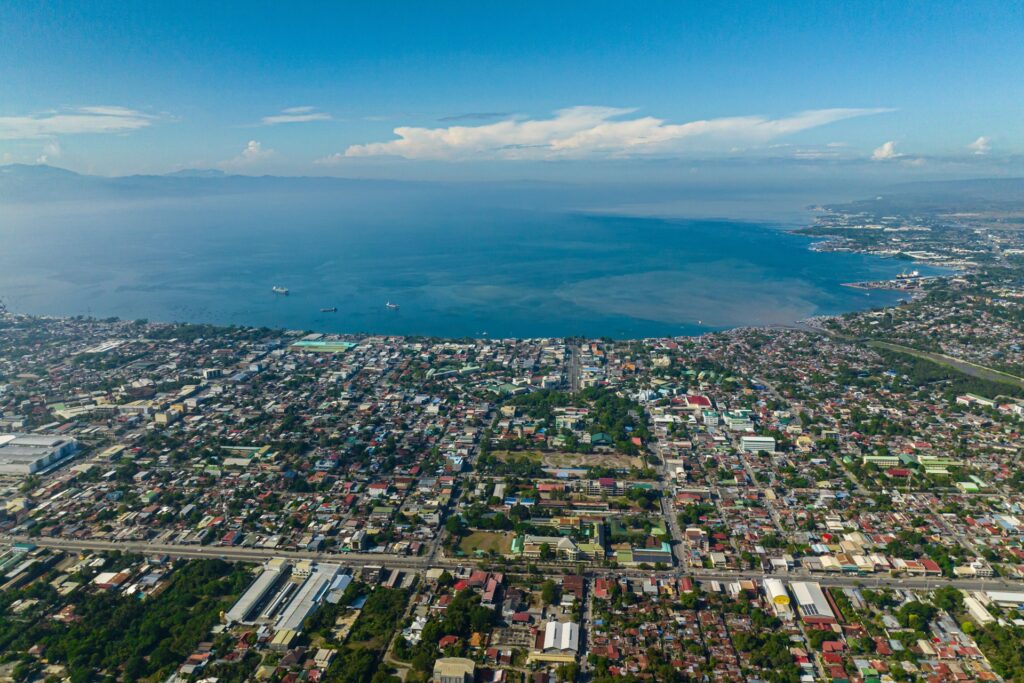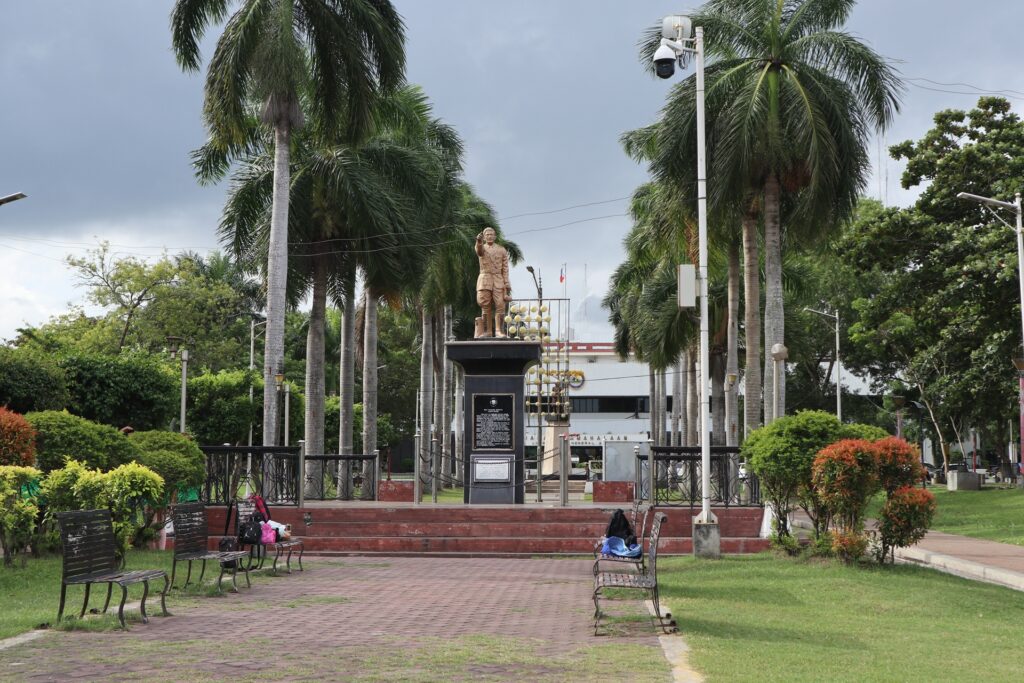
The SOCCSKSARGEN region is agricultural juggernaut, which makes agriculture in GenSan esspecially important, given city’s role as a capital of the region.
The region is a vital contributor to national output, producing a wide range of crops from rice and corn to bananas, pineapples, and coconuts. Despite challenges like climate variability, urbanisation, and evolving market pressures, SOCCSKSARGEN continues to demonstrate resilience and growth, thanks to innovation, mechanisation, and strategic government support.
Rice: A Story of Self-Sufficiency and Mechanisation
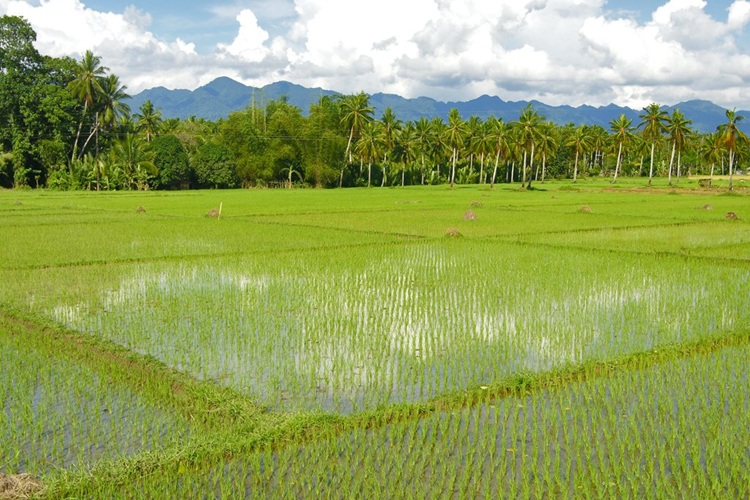
Rice production in SOCCSKSARGEN reached a remarkable milestone in 2023, achieving 108 percent self-sufficiency, meaning the region produced more rice than it consumed.
By the fourth quarter of 2024, total palay production was estimated at 355,396 metric tons, slightly lower than the previous year by about 0.5 percent. Cotabato Province contributed roughly 42 percent of this total, followed by Sultan Kudarat at 31 percent and South Cotabato at 22 percent. Urban areas like General Santos City play a supporting role in processing, marketing, and distribution, while rural provinces drive the bulk of production.
Mechanisation has been a game-changer for rice farmers in the region. In South Cotabato, some farms have achieved yields of 10–12 tons per hectare under mechanised programs, nearly double the national average.
The Philippine Center for Postharvest Development and Mechanization (PhilMech) has distributed approximately ₱379 million worth of tractors, harvesters, and dryers to farmer cooperatives, while the National Irrigation Administration (NIA) has implemented contract-farming schemes covering over 5,000 hectares. These programs provide irrigation, inputs, and post-harvest support, helping farmers improve productivity and efficiency.
Despite these advances, challenges remain. Production dips, even minor, reflect ongoing vulnerability to weather fluctuations, input costs, and pests. Urbanisation and land conversion also pose threats to long-term rice expansion. Nevertheless, the region’s strong self-sufficiency positions it as a key rice supplier for southern Mindanao.
Corn: Feeding the Livestock and Feed Industry
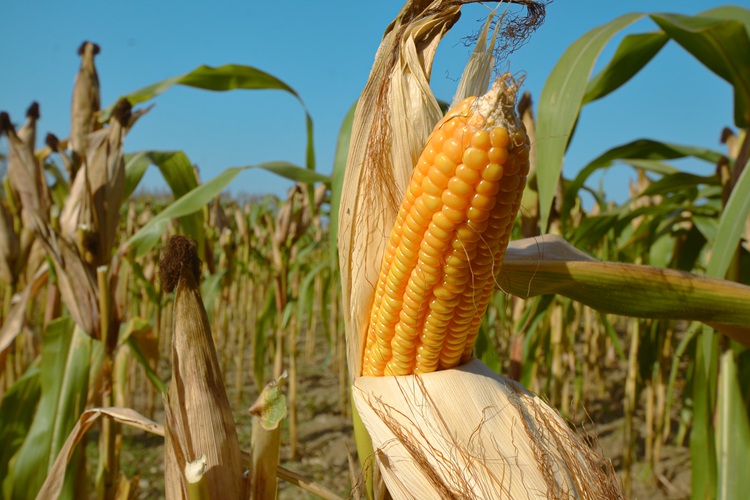
Corn is a major crop in SOCCSKSARGEN, supplying both food and animal feed for the livestock and poultry sectors. In the fourth quarter of 2024, corn production was estimated at 358,472 metric tons, a 4.4 percent increase from the same period in 2023. South Cotabato led production with nearly 137,000 tons, followed by Sultan Kudarat, Sarangani, and North Cotabato.
Most of the region’s corn – about 80 percent – is yellow corn for feed, while white corn comprises roughly 20 percent, primarily for human consumption or processing. This highlights the strong integration of corn farming with the feed and livestock industry in the region.
The region benefits from expansive land areas and established farming systems, but average yields remain below potential at around 2.8 tons per hectare. Climate risks like drought and irregular rainfall can affect output, while post-harvest handling and infrastructure gaps remain challenges. Mechanisation, farm clustering, and the introduction of high-yield hybrid varieties are helping the sector increase scale and efficiency.
For General Santos, corn presents strategic opportunities. The city can serve as a hub for processing, storage, and feed production, connecting regional output to broader domestic and international markets.
Bananas: Tradition, Transition, and Opportunity
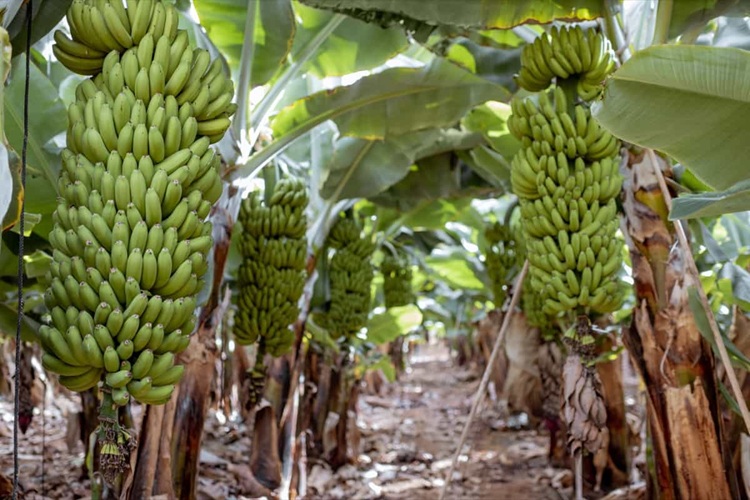
Bananas continue to be a vital crop in SOCCSKSARGEN. In 2023, the region produced roughly 279,000 metric tons, accounting for approximately 12 percent of the Philippines’ total banana output. However, production slipped by 1.2 percent in 2023 and declined further by 7 percent in the first quarter of 2024, indicating emerging challenges for the sector.
The region grows a mix of export-oriented and domestic varieties. Cavendish bananas are primarily destined for export markets, while Lakatan and Cardava are popular for local consumption and processed products like banana chips. SOCCSKSARGEN is recognized as Mindanao’s leading producer of Lakatan bananas, supplying major cities such as Manila and Cebu.
The region benefits from favorable conditions, including fertile soils and a location outside the main typhoon belt. Government programs, like the High-Value Crop Development Program of the Department of Agriculture Region 12, provide technical support and training. Yet pests and diseases, such as Fusarium wilt and Banana bunchy top disease, remain significant risks. Smallholder farmers also face challenges accessing markets and value-added processing opportunities.
Despite these hurdles, the banana industry offers considerable potential. The proximity of General Santos to ports allows efficient export logistics, while domestic markets can benefit from processed products such as banana chips, puree, and flour. Growth will depend on innovation, improved disease management, and strengthened farmer–buyer linkages.
Pineapples: A Global Export Crop in South Cotabato
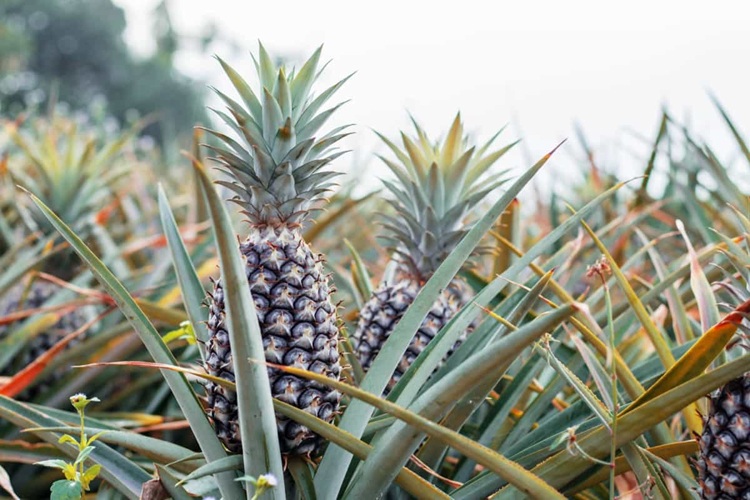
Pineapple production is another highlight of SOCCSKSARGEN agriculture, particularly in South Cotabato, where large plantations, including those operated by DOLE Philippines, thrive. In the second quarter of 2023, the region produced approximately 189,000 metric tons, accounting for nearly 25 percent of the national total for that period. Production experienced a slight decline of 2.3 percent in the first quarter of 2024.
The region’s tropical climate, with temperatures of 24–30°C and annual rainfall between 1,000–1,500 mm, supports ideal pineapple growth. Strong infrastructure and commercial experience provide the necessary foundation for both domestic supply and international exports. Research initiatives led by DOST-PCAARRD further strengthen sustainable and resilient production practices.
While large-scale plantations dominate the sector, smallholders face challenges such as access to mechanisation, inputs, and markets. Land conversion and urbanisation also pose long-term risks. Nonetheless, opportunities remain strong, particularly in export-oriented varieties and value-added products such as canned pineapple, juice, and dried fruit.
Coconut: A Growing Pillar of SOCCSKSARGEN Agriculture
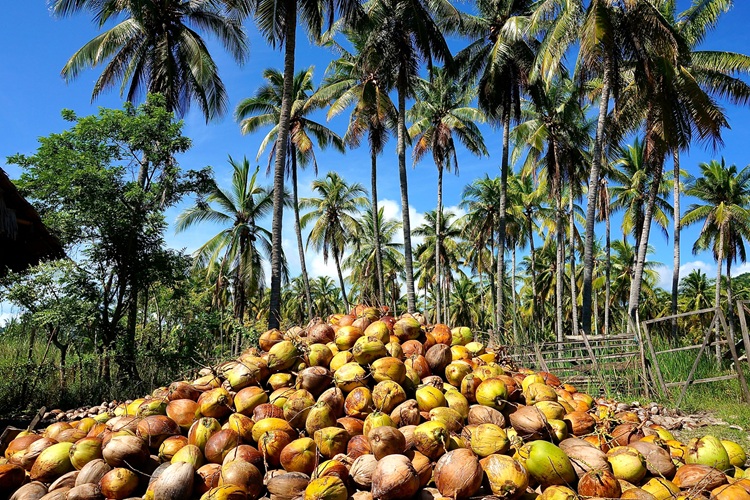
Coconut production has become an increasingly important part of SOCCSKSARGEN’s agricultural portfolio. The region’s tropical climate and fertile soils make it well-suited for coconut cultivation, supporting both smallholder livelihoods and industrial-scale processing.
One of the region’s strategic advantages is its access to major infrastructure, including the Makar Wharf and General Santos International Airport, which facilitate efficient transport of coconut products to domestic and international markets. Modern processing facilities, such as Roxas Sigma Agriventures in Tupi, South Cotabato, produce value-added goods including virgin coconut oil, coconut water, and desiccated coconut, moving beyond traditional copra production.
The Philippine Coconut Authority (PCA) has been instrumental in supporting local farmers. In October 2025, the PCA, in collaboration with global partners, concluded the Coconut Alliance Project, benefiting over 10,700 coconut farmers across Sarangani and South Cotabato. The project provided training, improved planting materials, and technical assistance to enhance productivity.
Challenges persist, however. Many coconut trees are reaching the end of their productive lifespan, lowering yields. Pests and diseases can also significantly affect output, while smallholder farmers often struggle with market access and value addition. Programs like LinkSFarMM aim to address these challenges by connecting farmers with buyers and training them in processing and product development.
Opportunities for growth remain promising. Product diversification, including virgin coconut oil, coconut water, and coconut-based health supplements, can capture higher market value. The region’s proximity to international shipping routes provides export potential, while sustainable farming practices can enhance product quality and appeal to environmentally conscious consumers.
A Region of Strength and Opportunity
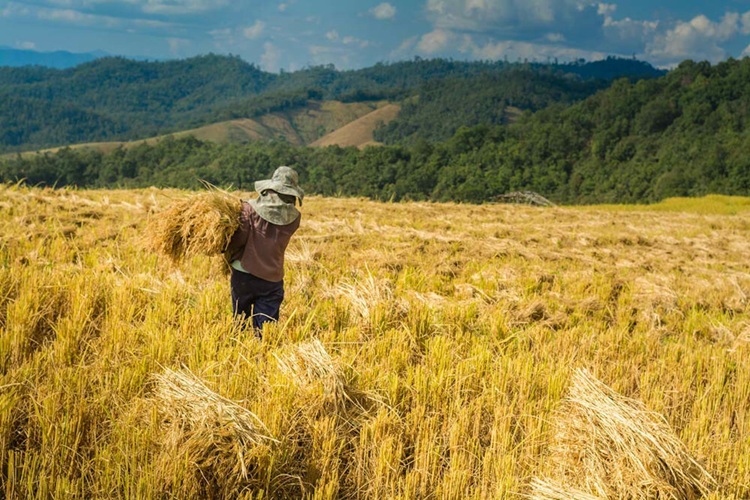
Across rice, corn, bananas, pineapples, and coconuts, SOCCSKSARGEN showcases resilience, diversity, and potential. Mechanisation, contract farming, and research-backed production practices have modernised traditional agriculture, while strong government support strengthens farmer capacity and market linkages.
For General Santos City, the surrounding agricultural landscape provides ample opportunities in processing, logistics, and value chain development. The city’s ports and industrial infrastructure enable it to serve as a hub connecting regional agricultural output to domestic and international markets.
Despite challenges like climate variability, aging plantations, and land conversion, the long-term outlook remains positive. SOCCSKSARGEN is not only feeding its own population but also contributing significantly to the national supply and positioning the Philippines competitively in global agri-food markets.