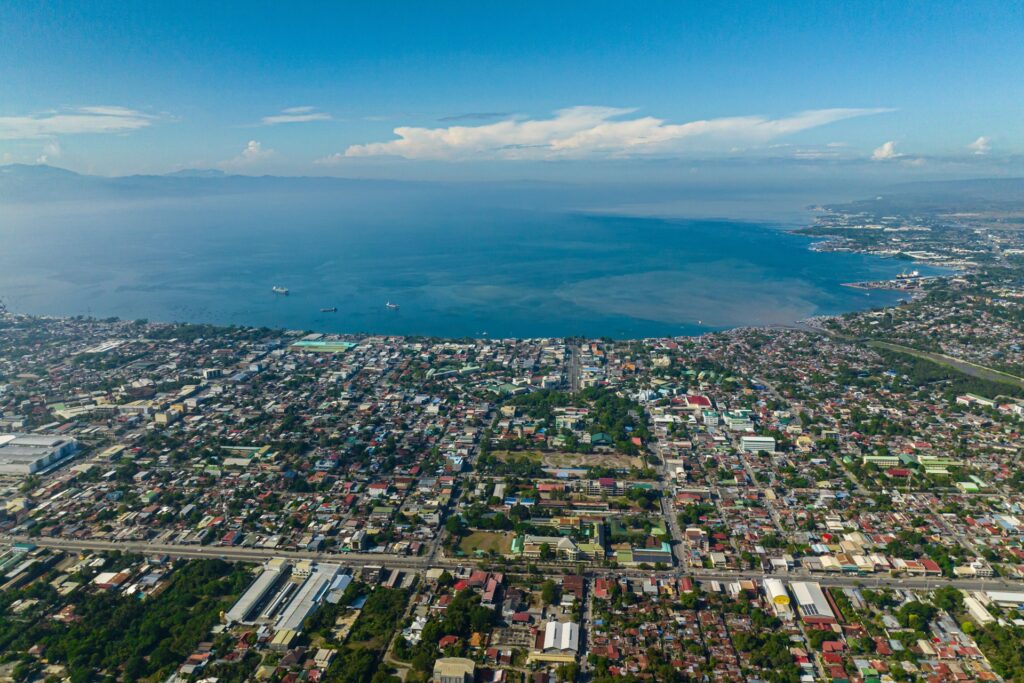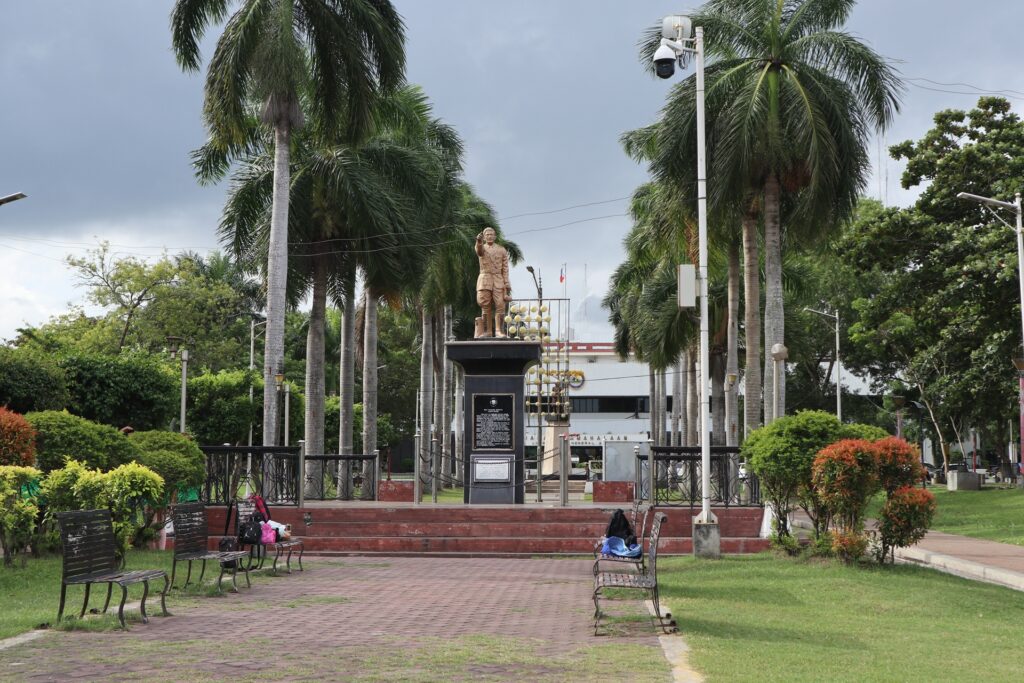
General Santos City, often called GenSan, reflects the wider religious diversity of Mindanao. Although Christianity remains the dominant faith in the city, GenSan is also home to Muslim communities, Iglesia ni Cristo congregations, indigenous belief traditions, and smaller religious groups. This mix has shaped the city’s public life, neighborhood culture, family customs, and festive calendar.
Religious life in GenSan is not only about formal doctrine. It is also expressed through local traditions such as patronal feasts, processions, church-based charity work, Friday congregational prayer, family devotions, and indigenous practices that honor ancestors, healing, and the natural world. In many cases, local religious culture is blended with community identity, especially in barangays with strong migrant, Moro, and indigenous roots.
Roman Catholic
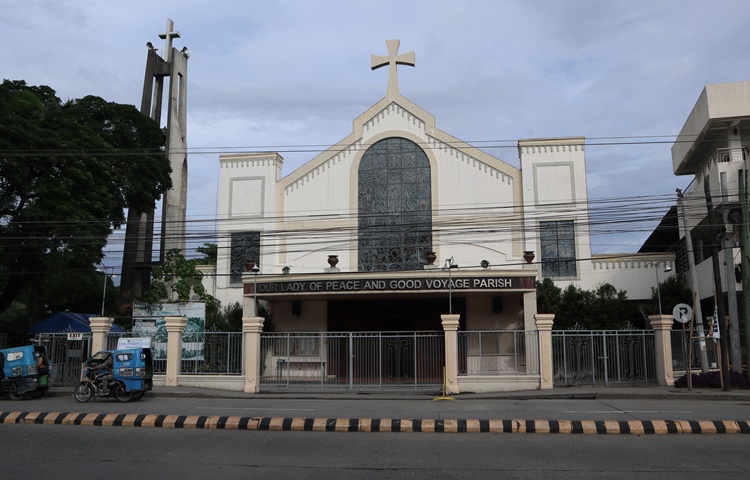
As with the rest of the Philippines, Roman Catholicism forms the absolute majority in General Santos City. The city’s Catholic heritage is largely a result of heavy migration from the Visayas and Luzon during the mid-20th century, led by the city’s namesake, General Paulino Santos.
The Catholic faith is woven into the very fabric of daily life here. St. Paul Novitiate, the sprawling local parishes, and the bustling masses are testaments to this devotion. The city comes alive during fiestas, particularly the feast of Our Lady of Peace and Good Voyage, the city’s patroness. During these times, the streets are filled with processions, colorful banderitas, and a palpable sense of communal faith that brings neighborhoods together.
Other Christian and Protestant Religions
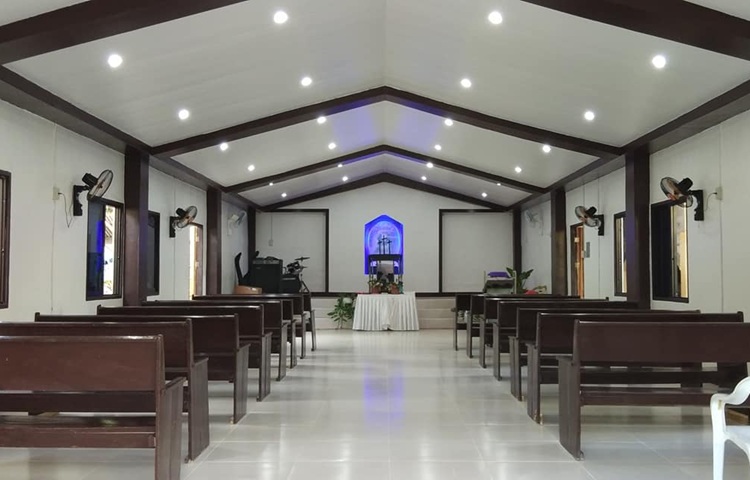
General Santos City is also home to a massive and highly active population of Evangelical and Protestant Christians. As you drive through the city, you will see numerous churches belonging to the Baptist Church, the United Church of Christ in the Philippines (UCCP), the Seventh-day Adventist Church, and various Pentecostal and Born-Again fellowships.
These denominations contribute significantly to the city’s social fabric through massive youth ministries, medical missions, and educational institutions. Their deeply musical and spirited Sunday worship services draw thousands of congregants every week, contributing a dynamic and modern expression of Christianity to the city’s spiritual profile.
Islam
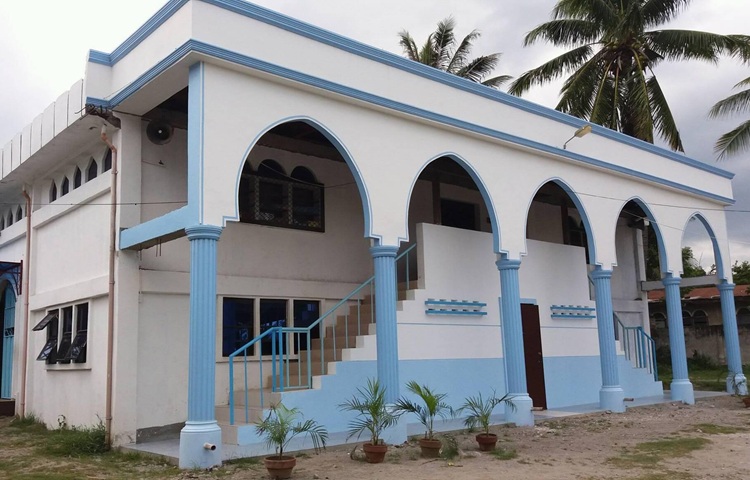
Long before the large-scale migrations of the 20th century, the island of Mindanao was home to flourishing Islamic sultanates. Today, GenSan is home to a thriving and vibrant Muslim community, primarily composed of Maguindanaon, Maranao, and Tausug peoples.
Islam in GenSan is highly visible and beautifully integrated. The gentle call to prayer (Adhan) is a familiar sound in several barangays. Grand mosques with striking domes and minarets serve as both spiritual sanctuaries and community centers. During the holy month of Ramadan, the city sees bustling night markets selling halal delicacies, culminating in the joyous city-wide celebrations of Eid al-Fitr and Eid al-Adha. The peaceful coexistence of Muslims and Christians here serves as a powerful testament to the city’s harmonious spirit.
Iglesia ni Cristo
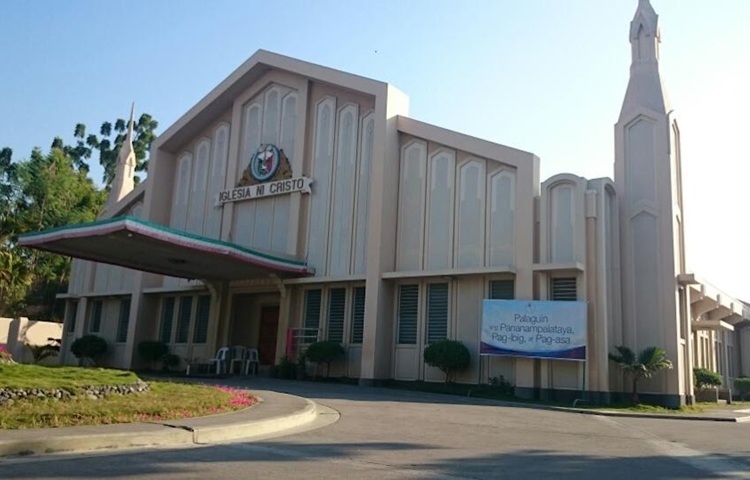
The Iglesia ni Cristo (INC) commands a highly visible and influential presence in General Santos City. Known for their tight-knit communities, disciplined lifestyle, and bloc voting during elections, the INC forms a vital part of GenSan’s religious ecosystem.
You can easily identify their presence by their magnificent chapels—soaring, immaculately white structures with neo-Gothic spires that stand out perfectly against the GenSan skyline. The INC in GenSan is characterized by strong community outreach programs (Lingap sa Mamamayan) and a rapidly growing congregation that spans multiple local locales across the city.
Indigenous Religions
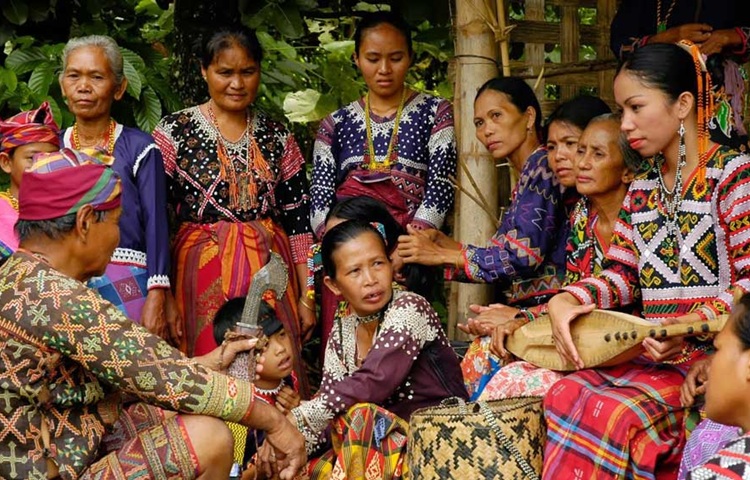
To understand GenSan, one must look back to its original name: Dadiangas. Before it was a bustling metropolis, this land belonged to the B’laan people. While many B’laans have since converted to Christianity (both Catholic and Protestant), fragments of their indigenous animistic beliefs proudly survive.
Traditional B’laan cosmology involves a deep reverence for the environment, ancestral spirits, and a supreme deity known as Dwata. Contemporary indigenous religious practice is often highly syncretic—blending Christian teachings with traditional rituals for planting, harvesting, and healing. Acknowledging these indigenous belief systems is crucial, as they are the foundational spiritual roots of the land GenSan is built upon.
Other Religions
The religious diversity of GenSan doesn’t stop there. The city is also home to:
- The Filipino-Chinese Community (Buddhism/Taoism): GenSan has a robust business sector heavily driven by Filipino-Chinese families. While many are practicing Catholics, a significant number still observe Buddhist or Taoist traditions, complete with family shrines, reverence for ancestors, and the celebration of the Lunar New Year.
- The Church of Jesus Christ of Latter-day Saints (Mormons): Characterized by their neatly dressed missionaries on bicycles, the LDS church has established several stakes and impressive meetinghouses in the city.
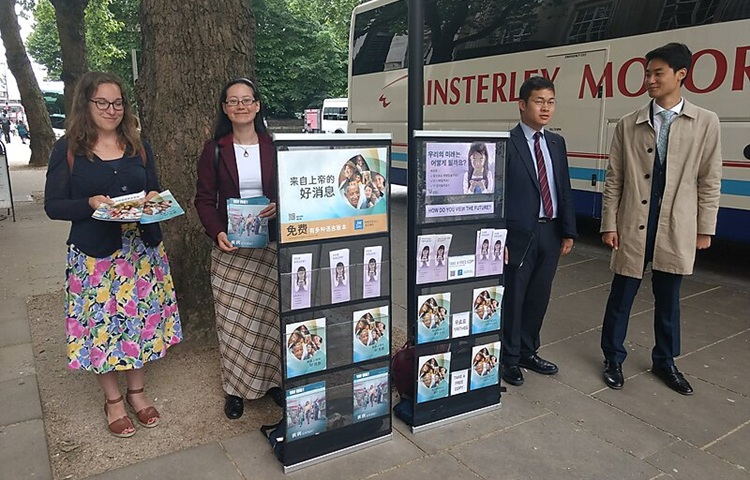
- Jehovah’s Witnesses: Known for their dedicated door-to-door ministry and literature distribution, they maintain a quiet but steady presence with their local Kingdom Halls.
The Beauty of Coexistence
What makes General Santos City truly special isn’t just that these religions exist side by side, but how they coexist. From interfaith dialogues championed by local leaders to the everyday interactions at the public market where a Catholic vendor, a Muslim buyer, and a Protestant fisherman do business in complete harmony.
GenSan proves that diversity in belief doesn’t have to result in division. Instead, much like a well-prepared dish of local tuna, the different flavors—when brought together with respect—create something truly spectacular.