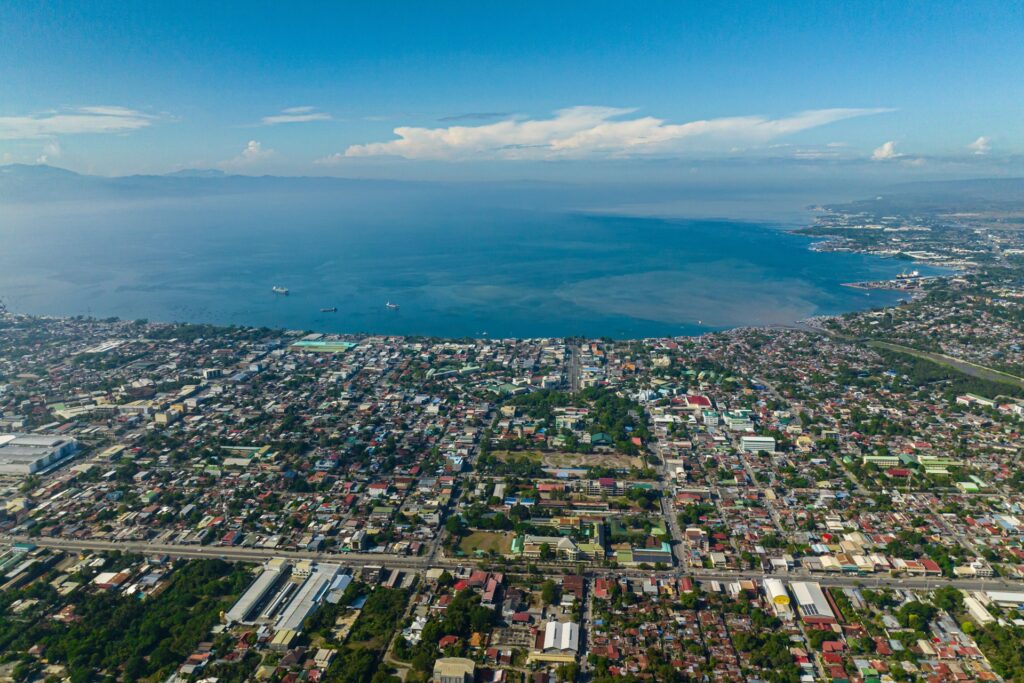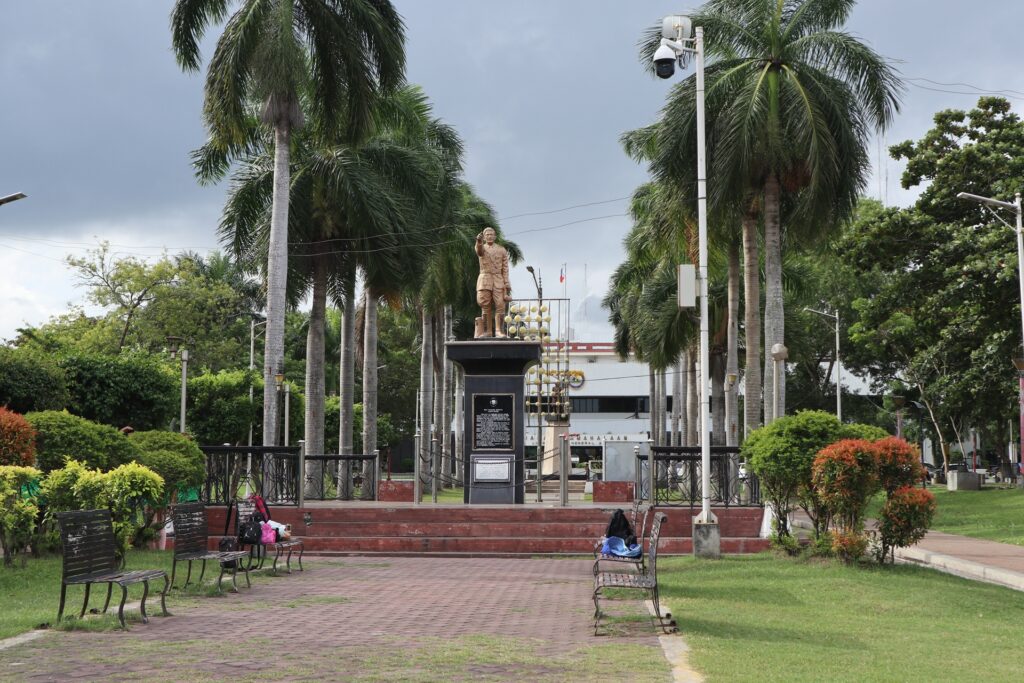
When people think of the Philippines, and especially the island of Mindanao, sensationalized news about crime or political unrest often comes to mind. As someone who has been living in General Santos City for over a decade now, I get asked one question all the time: Is it actually safe there?
The short answer is: Yes, GenSan is way safer than you probably think. The long answer needs a little bit of context. After ten years in this city, I want to share my personal experiences, clear up a few myths, and give you an honest breakdown of the security situation in the “Tuna Capital of the Philippines.”
Common Sense: Everyday Life and Street Crime
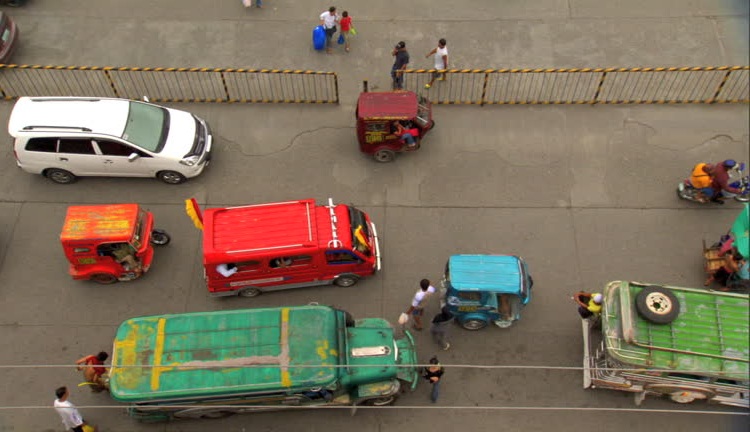
Just like in any developing nation, there is typical poverty-related crime here. But looking at the big picture, the crime rate in GenSan is way below what you would see in many Latin American countries or even some major US cities.
Generally, there’s one simple rule of thumb: Don’t flash your wealth. If you’re walking around with thick wads of cash, the newest high-end smartphone, or flashy jewelry, especially at night, you’re testing your luck. As the saying goes, opportunity makes the thief. In a country where many people are struggling to make ends meet, this isn’t necessarily out of malice, but pure desperation.
For a lot of locals (especially those with less education), the assumption is that all Westerners are loaded. After all, you could afford the expensive flight to get here. Because of that, a stolen smartphone or a few thousand Pesos is often seen as a minor offense; the thought process is basically, “The rich foreigner can brush off the loss.” But if you just blend in and act with basic common sense, you have absolutely nothing to worry about.
Robberies and “Riding in Tandem”
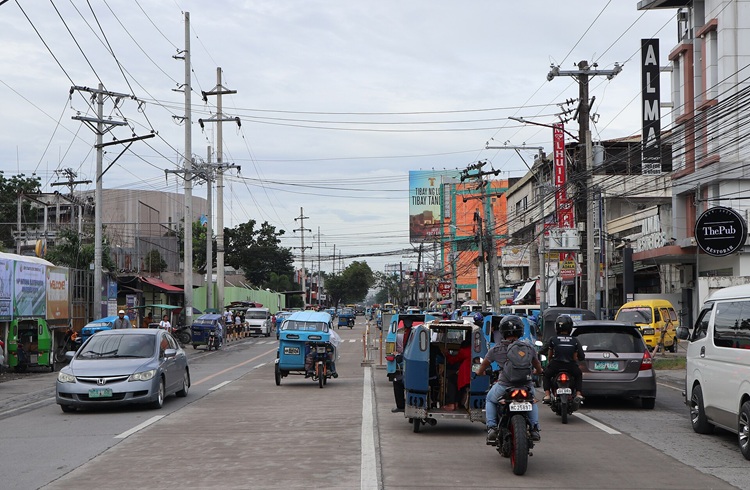
Classic street muggings are extremely rare here. When robberies do happen, they usually target small convenience stores, bakeries, or fast-food joints late at night. And even then, considering the size of the city, these incidents are incredibly uncommon, and the “loot” is usually tiny.
What you will hear about in the local news from time to time are assassinations, known locally as riding in tandem. These are almost always hired hits: Two guys on a stolen motorcycle wait for their target: one drives, the backrider shoots. It sounds terrifying, but as a tourist or expat, you won’t be exposed to this at all.
These hits usually spike during election seasons and have very specific, targeted motives: politics, shady business deals, unpaid debts, drugs, revenge, or twisted love triangles. Normal foreigners just aren’t on their radar, so don’t let these headlines freak you out.
Threat of Terrorism? Why GenSan is Peaceful
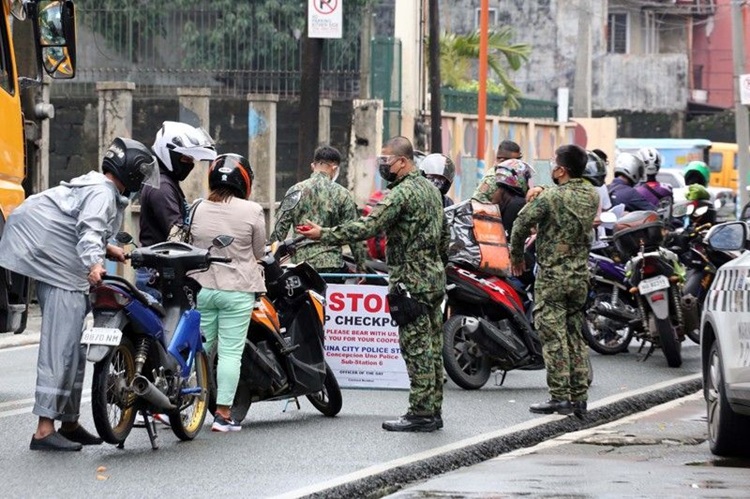
One of the biggest stigmas attached to Mindanao is the fear of Islamic terrorism. Even during the Marawi siege (under former President Duterte) when raids against ISIS sympathizers were happening elsewhere, GenSan remained quiet. The last bombings in the city actually date all the way back to 2002 and 2005.
Thanks to the expanded autonomy of the Muslim regions (BARMM), the political climate across Mindanao has calmed down significantly over the years. In GenSan itself, the various Muslim groups (like the Maranao, Maguindanao, and Tausug) are no more or less “dangerous” than the Christian population. The communities live together peacefully, and everyday life is marked by tolerance and normality.
Nightlife: Beers, Bars, and the Right Attitude
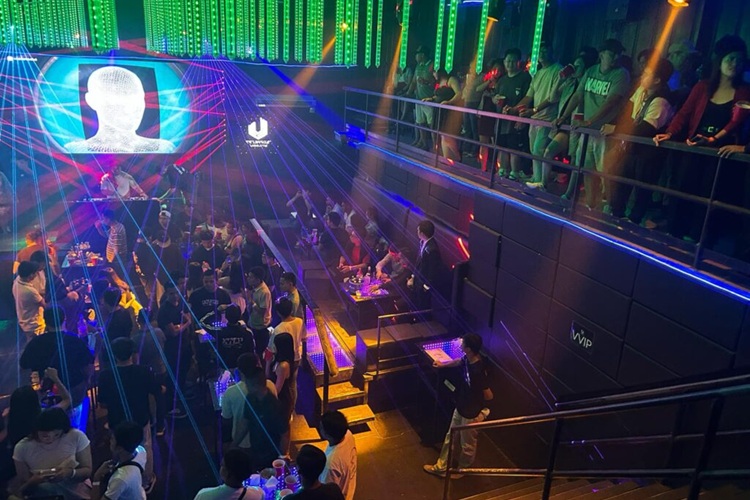
The nightlife in GenSan is pretty chill. Most regular bars close between midnight and 2:00 AM on weekdays, and maybe 4:00 or 5:00 AM on weekends. The so-called “girlie bars” tend to stay open a bit longer.
No matter where you drink, it’s very rare to get scammed or ripped off. A lot of places operate on a “pay as you order” basis anyway, or keep a running tab under your name. Your own behavior is the most important factor here. Sure, in some of the seedier bars, waitresses or dancers might be a little pushy about buying them lady drinks. If that happens, just remember the golden rule: Stay friendly, use a bit of humor, and be firm, but never get loud, aggressive, or insulting.
Losing face in public is a huge deal in Filipino culture. Filipinos are incredibly hospitable, polite, and accommodating people—as long as you know how to be a good guest, you’ll have a great time.
When you’re ready to head back to your hotel, you’ll likely hop in a tricycle (unless you grab a taxi via the Grab app or a motorcycle via Maxim). Late at night, tricycle drivers will almost certainly ask for a markup compared to the official fare matrix. Just offer 100 to 150 Pesos for a standard ride across town—it’s totally worth it to get home safely and easily at that hour. Plus, you often end up having the most interesting conversations with the drivers!
A crucial tip for taking tricycles: Always have coins and small bills on you! Tricycle drivers almost never have change for large bills like 500 or 1000 Pesos. Also, for peace of mind, you can just take note of the vehicle’s license plate number, which is usually painted super huge and prominently on the cab. Fun fact: Official franchise tricycles are supposed to have yellow license plates, while white ones belong to private owners—though honestly, nobody really sweats the details on that.
Burglaries and Walled Living
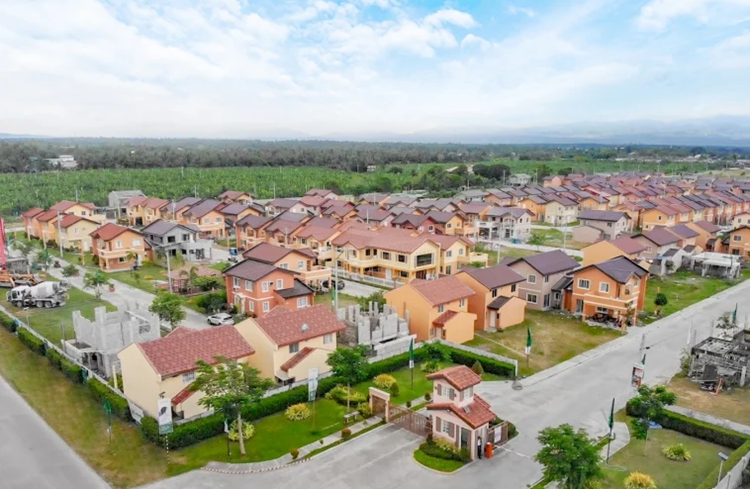
Let’s talk about housing. Yes, burglaries happen. The rule here is: The better you secure your property, the better. There’s a reason why most lots are enclosed by high walls or fences, and why most windows have iron grilles. In a developing country, poverty-driven crime exists, and there are people who will try to make a quick buck by breaking in.
Because of this, many middle-class Filipinos and expats prefer living in walled “subdivisions” (gated communities) rather than standalone houses out in the open. It’s not necessarily that a standalone house is wildly unsafe, but subdivisions provide a much higher sense of security and peace of mind. But again, even with this in mind, GenSan remains comparatively safe.
Security Guards and the Local Police
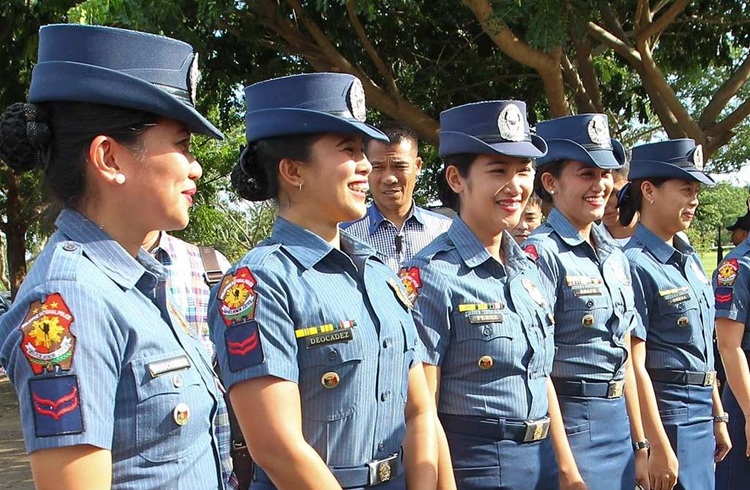
Something else you’ll quickly notice: almost all establishments (from malls and banks to fast-food chains) employ their own security guards. If you’re ever lost or need advice, you can always ask them for help.
The local police are also generally very friendly, approachable, and accommodating. If you happen to run into any issues, you can always head to the nearest police station and ask for assistance. The most important rule applies here as well: Always be exceedingly friendly and respectful to anyone in uniform—whether they are a simple security guard or an actual police officer. If you treat them with respect, they will go out of their way and do their absolute best to help you out.
Crime Stats in Perspective
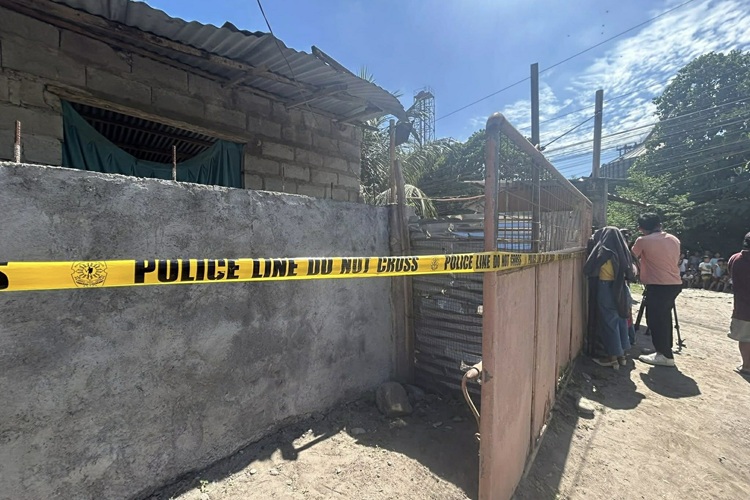
If you look at the raw statistics, the picture might actually surprise you:
- Murder Rate: While it is roughly double that of comparable cities in Western Europe or Australia (though US cities like Baltimore, Detroit, or Chicago are way worse due to gang violence), as mentioned earlier, these are almost exclusively targeted hits, not random acts of violence against civilians.
- Robberies: Believe it or not, GenSan is basically on par with your average large city in Germany or Australia, and actually sits lower than the rates in France, the UK, and especially the US.
- Burglaries and Car Theft: Reported burglaries in GenSan are well below the averages of comparable cities in Western Europe, Australia, or the US. Car theft? Again, GenSan numbers align with countries like Germany, whereas rates in the US are roughly ten times higher.
My Verdict After 10+ Years
GenSan isn’t perfect, and just like anywhere else in the world, you have to use your common sense. But honestly, after more than ten years of living here, I can confidently say that I don’t feel any less safe than I would in a comparable North American or Western European city.
Actually, quite the opposite: As long as I play by the basic rules, I usually feel a whole lot safer here.