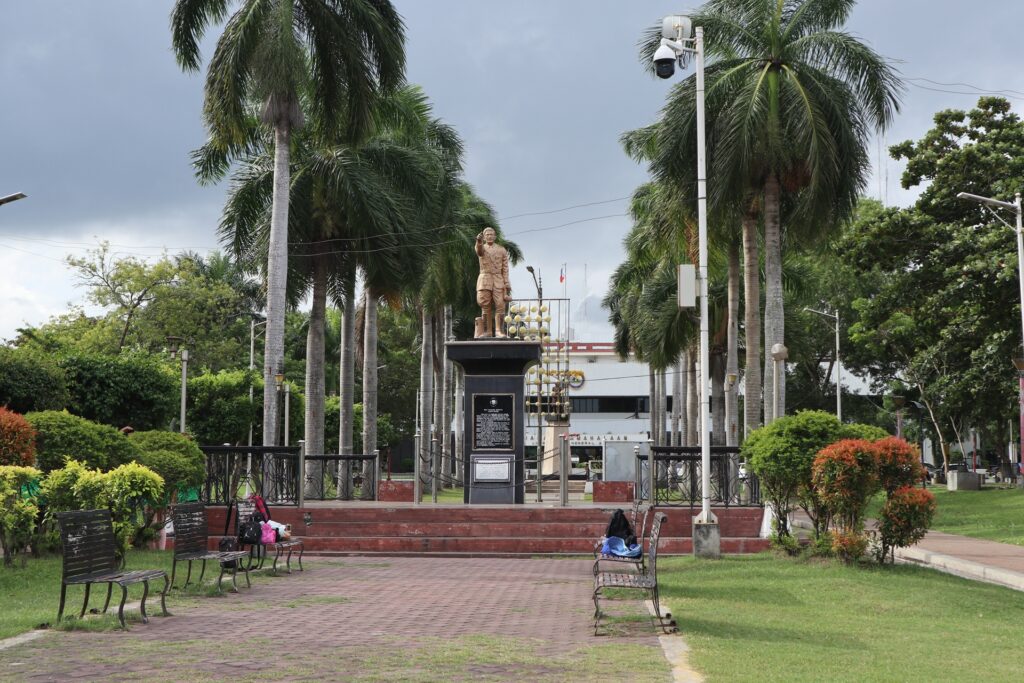
Every city has its own rhythm, habits, and quiet expectations, and General Santos is no different. Beyond the official laws and tourist reminders, there are everyday “unwritten rules” that help people move with respect, awareness, and ease.
Knowing these local ways matters because it shows that you are not just visiting a place, but paying attention to the people who live there. In GenSan, respect, patience, modesty, and friendliness go a long way.
If you are visiting for the first time, these unwritten rules of General Santos will help you avoid awkward moments, show respect, and connect with people more naturally. You do not need to be perfect. In most cases, being polite, humble, patient, and observant is already enough to make your stay smoother.
When you understand how locals behave, speak, travel, eat, and interact, you avoid awkward moments and become a better guest in the city. Let’s kick things off:
- 1. Greet People Warmly
- 2. Be Respectful When Locals Ask Personal Questions
- 3. Do Not Act Superior Because You Are a Foreigner
- 4. Dress Casually, But Not Carelessly
- 5. Respect the Heat and Do Not Complain Too Much
- 6. Always Ask Before Taking Close-Up Photos of People
- 7. Do Not Photograph Workers Like They Are Attractions
- 8. Be Careful When Talking About Politics
- 9. Do Not Assume GenSan Is Unsafe
- 10. Respect Local Muslim and Indigenous Communities
- 11. Learn a Few Local Words, But Do Not Force It
- 12. Use “Po” When Speaking to Older People
- 13. Do Not Haggle Aggressively in Markets
- 14. Bring Small Bills for Tricycles and Small Stores
- 15. Ask the Fare Before Riding a Tricycle
- 16. Do Not Expect Tricycles to Work Like Taxis
- 17. Be Patient With Traffic and Road Movement
- 18. Do Not Compare Everything to Manila or Davao
- 19. Eat Tuna Fresh, But Respect Local Preferences
- 20. Do Not Waste Food When Eating With Locals
- 21. Accept Hospitality Politely
- 22. Remove Your Shoes When Entering Some Homes
- 23. Do Not Be Too Loud in Residential Areas at Night
- 24. Respect Queues, But Understand They May Feel Informal
- 25. Avoid Public Displays of Anger
- 26. Do Not Touch Someone’s Head or Point With Your Feet
- 27. Be Careful With Jokes About Poverty or Provincial Life
- 28. Respect the Sea, the Port, and Fishing Livelihoods
- 29. Ask Locals for Directions, But Confirm With Maps
- 30. When in Doubt, Be Humble, Friendly, and Patient
- Wrap-Up
1. Greet People Warmly
In General Santos, small greetings can make everyday interactions feel much smoother. You do not need to make a big performance out of it, but a smile, a nod, or a simple “good morning” can change the tone immediately.
This matters when entering a small store, asking for directions, speaking to a tricycle driver, checking into accommodation, or buying food at a local eatery. GenSan is a city, but many interactions still have a neighborhood feel, where friendliness is noticed.
If you speak too directly without any greeting, you may come across as cold or impatient even if you do not mean it that way. A warm greeting shows that you are approachable, respectful, and not treating people only as service providers.
2. Be Respectful When Locals Ask Personal Questions
You may be asked questions that feel personal, such as where you are from, whether you are married, how old you are, where you are staying, or why you are in GenSan. In many cases, this is not meant to invade your privacy.
It is often just friendly curiosity or a way to start a conversation. The best approach is to answer lightly if you are comfortable, or politely give a short response if you prefer not to share too much. Avoid reacting with visible annoyance, because locals may not realize the question feels too direct to you.
In GenSan, casual conversation can become personal quickly, especially in markets, transport, cafés, and neighborhood settings. A calm, friendly answer keeps the interaction comfortable.
3. Do Not Act Superior Because You Are a Foreigner
GenSan is generally welcoming, but acting superior will quickly create distance between you and the people around you. Avoid speaking down to locals, mocking accents, complaining that things are not like your home country, or behaving as if your money makes you more important.
This applies in restaurants, markets, hotels, transport, and public spaces. People may still remain polite, but arrogance is noticed and remembered. A better approach is to be curious, humble, and observant. If something works differently from what you are used to, ask politely rather than criticize.
GenSan has its own rhythm, standards, and local logic. Visitors who respect that usually receive much warmer treatment than those who arrive expecting everything to adjust around them.
4. Dress Casually, But Not Carelessly
General Santos is a casual city, and you do not need formal clothing for most daily activities. Shorts, T-shirts, sandals, and light clothes are common because of the heat. Still, there is a difference between dressing comfortably and dressing carelessly.
Very revealing clothing may feel out of place in local neighborhoods, churches, government offices, schools, markets, or family-oriented spaces. If you are going to malls, cafés, or casual restaurants, relaxed clothing is fine.
If you are visiting a church, public office, or someone’s home, it is better to dress a little more modestly. This is not about being overly strict; it is about reading the environment. Dressing appropriately shows that you understand you are moving through real local communities, not just tourist spaces.
5. Respect the Heat and Do Not Complain Too Much
GenSan is hot, sunny, and often dry, so the heat is part of daily life. Locals already know it is hot, and many people work, commute, and run errands under the same conditions every day.
Mentioning the heat once is normal, but constantly complaining about it can sound dramatic or insensitive, especially when speaking to drivers, vendors, workers, or people who spend long hours outside. A better rule is to prepare for it.
Wear light clothing, carry water, use sunscreen, plan outdoor activities earlier in the day, and take breaks when needed. If you treat the heat as something to manage rather than something to complain about, you will enjoy the city more and avoid sounding like you are blaming the place for its climate.
6. Always Ask Before Taking Close-Up Photos of People
Taking photos in General Santos is usually fine in public places, but close-up photos of people are different. Always ask first before photographing vendors, workers, children, families, security guards, tricycle drivers, or people in local neighborhoods.
A quick gesture toward your camera and a polite “okay lang?” can be enough in many situations. This matters because not everyone wants to be part of someone else’s travel content, especially while working, eating, commuting, or spending time with family.
Asking first also makes the interaction warmer. Many people may say yes if approached respectfully, and some may even pose or smile. But taking photos secretly or too directly can feel rude, intrusive, or exploitative. Treat people as people first, not as background for your trip.
7. Do Not Photograph Workers Like They Are Attractions
The General Santos City Fish Port Complex is one of the most interesting places connected to the city’s tuna identity, but it is also a serious workplace. If you visit, remember that people there are carrying heavy fish, moving equipment, handling ice, managing deliveries, and working on tight schedules.
Do not block pathways, stand too close to workers, point cameras in their faces, or treat the scene like a performance for tourists. If photos are allowed in a certain area, take them respectfully and from a safe distance.
If someone says no, accept it immediately. The fish port is part of GenSan’s economy and daily labor, not just a sightseeing spot. Respecting the workers shows that you understand the real value behind the city’s tuna reputation.
8. Be Careful When Talking About Politics
Politics, religion, and Mindanao conflict are sensitive topics in General Santos, especially if you are speaking as a visitor with limited local context. GenSan is a mixed city with Christian, Muslim, Indigenous, and migrant communities, and people may have different family histories, beliefs, and experiences.
Avoid making strong statements based only on news headlines, stereotypes, or things you heard elsewhere. If the topic comes up, listen more than you speak. Ask respectfully, avoid jokes, and do not push people into debates.
This is especially important in taxis, tricycles, markets, homes, and casual gatherings where conversations can become personal quickly. Being curious is fine, but sounding judgmental or overconfident can offend people. In GenSan, sensitive topics are best approached with humility.
9. Do Not Assume GenSan Is Unsafe
One of the quickest ways to annoy locals is to assume General Santos is dangerous simply because it is in Mindanao. Many residents are used to outsiders making broad judgments about the island without understanding the difference between cities, provinces, and specific conflict areas.
GenSan is a busy urban center with malls, schools, restaurants, ports, neighborhoods, festivals, and ordinary daily life. Like any city, it has areas and situations where you should stay alert, but treating the whole place as unsafe can sound insulting.
Ask practical safety questions if needed, but avoid dramatic comments like “Is it dangerous here?” or “Aren’t you scared living here?” A better approach is to use normal city awareness while respecting that locals know their home better than outside stereotypes do.
10. Respect Local Muslim and Indigenous Communities
General Santos is culturally mixed, and part of being respectful here is recognizing that not everyone shares the same background, religion, language, or customs.
The city and surrounding areas include Christian communities, Muslim communities, Blaan heritage, and many families with roots in different parts of Mindanao, Visayas, and Luzon. Avoid jokes, assumptions, or careless comments about religion, traditional clothing, accents, food practices, or ethnic identity.
If you are near a mosque, community gathering, cultural event, or Indigenous-related site, behave with extra respect and observe before acting. Do not treat cultural difference as something exotic for entertainment.
For visitors, this rule is simple: be curious without being intrusive, and be appreciative without turning people into displays. GenSan’s diversity is part of what makes the city interesting.
11. Learn a Few Local Words, But Do Not Force It
Learning a few local words can make your time in General Santos feel warmer and more connected. You may hear Cebuano, Hiligaynon, Tagalog, and other languages around the city, so even simple greetings or polite phrases can help.
Words like “salamat” for thank you, “maayong buntag” for good morning, or “ayo-ayo” for take care can make small interactions friendlier. The key is not to force it or pretend you are fluent if you are not.
Use local words naturally, smile if you make a mistake, and switch back to English or Tagalog when needed. Most people will appreciate the effort, especially if it is humble. Language is a bridge, not a performance, and a few respectful words can make everyday conversations smoother.
12. Use “Po” When Speaking to Older People
“Po” is a polite Filipino word used to show respect, especially when speaking to older people, authority figures, or people you do not know well.
In General Santos, not everyone uses them in every local language or situation, but using it when speaking in Tagalog is still a safe and respectful habit. You can say “salamat po,” or “okay po” when talking to elders, hotel staff, vendors, drivers, guards, or officials.
It softens your tone and helps you sound more considerate. You do not need to overuse it in every sentence, but adding it naturally can make a good impression. For visitors, this is one of the simplest ways to show respect without needing deep cultural knowledge.
13. Do Not Haggle Aggressively in Markets
Haggling may be acceptable in some markets or informal buying situations, but it should be done lightly and respectfully. In General Santos, pushing too hard over a small amount can look rude, especially when dealing with vendors who are working long hours in the heat.
If the price seems flexible, ask politely once, smile, and accept the answer. Do not insult the product, compare it harshly to prices elsewhere, or act like the vendor is trying to cheat you without reason.
A few pesos may mean little to you but still matter to someone running a small stall. Bargaining should feel like a friendly exchange, not a fight. If the price does not work for you, simply say thank you and move on.
14. Bring Small Bills for Tricycles and Small Stores
Small bills are extremely useful in General Santos because many everyday transactions happen in places where change can be limited. Tricycle drivers, sari-sari stores, market vendors, street food sellers, and small eateries may not always be able to break large bills, especially early in the day.
If you only have ₱500 or ₱1,000 notes for a short ride or a small purchase, the transaction can become awkward or delayed. Try to keep coins, ₱20, ₱50, and ₱100 bills ready for transport and small purchases.
This makes life easier for both you and the person serving you. It also helps you avoid looking unprepared. In local settings, having exact or near-exact payment is a simple sign that you understand how daily transactions work.
15. Ask the Fare Before Riding a Tricycle
Tricycles are one of the most practical ways to move around parts of General Santos, but fares can vary depending on distance, route, time of day, number of passengers, and whether you are taking a shared ride or a special trip.
Before getting in, ask how much the fare is. This avoids confusion when you arrive and helps prevent awkward arguments. If the price sounds too high, you can politely ask again, negotiate calmly, or choose another ride.
Do not wait until the end of the trip to complain if you never asked beforehand. For visitors, this rule is especially important because you may not know the usual local rates. A quick fare check keeps the ride clear, fair, and more comfortable for everyone.
16. Do Not Expect Tricycles to Work Like Taxis
Tricycles in General Santos are practical local transport, but they do not work exactly like taxis. Some rides are shared, some follow familiar local routes, and some drivers may not want to go far outside their usual area unless you agree on a special fare.
The ride can also be less comfortable than a car, especially during hot weather, traffic, or when carrying luggage. Do not expect full privacy, air-conditioning, or door-to-door service every time. If you need a direct trip, say so clearly before riding and confirm the price.
If the driver picks up another passenger or takes a route that seems different, it may be normal depending on the arrangement. Understanding this helps you avoid frustration and appreciate tricycles for what they are: affordable, useful, everyday city transport.
17. Be Patient With Traffic and Road Movement
Traffic in General Santos can feel unpredictable, especially around malls, schools, markets, terminals, public offices, and busy intersections. Cars, motorcycles, tricycles, jeepneys, delivery vehicles, and pedestrians often share the road closely, so movement may feel less orderly than what some visitors are used to.
The best rule is to stay patient and avoid showing anger. Honking, complaining loudly, or blaming drivers will not make the trip faster and may only make the situation uncomfortable.
If you have an appointment, leave earlier than you think you need to, especially during rush hours, lunch breaks, school dismissal, or rainy weather. GenSan is not as overwhelming as larger Philippine cities, but traffic still has its own rhythm. Patience makes moving around the city much easier.
18. Do Not Compare Everything to Manila or Davao
General Santos has its own identity, and locals usually appreciate visitors who understand that. Avoid constantly comparing the city to Manila, Cebu, Davao, or your home country, especially in a way that makes GenSan sound smaller, slower, or less developed.
Comments like “In Manila this is better” or “Davao is more organized” can come across as dismissive, even if you mean them casually. GenSan is shaped by its port, tuna industry, agricultural surroundings, migrant history, malls, barangays, and relaxed southern Mindanao pace.
It should be experienced on its own terms. If something feels different, treat it as part of the place rather than a flaw. Visitors who are open-minded usually see more value than those who spend the whole trip measuring GenSan against somewhere else.
19. Eat Tuna Fresh, But Respect Local Preferences
Tuna is one of GenSan’s biggest sources of pride, so trying it fresh is almost a must. You can enjoy grilled tuna belly, tuna panga, sashimi, kinilaw, tuna sisig, or other local preparations. The rule is to take it seriously and respectfully, not treat it like ordinary seafood you could eat anywhere.
At the same time, remember that locals have different preferences. Some may love raw tuna, while others prefer it grilled, cooked in soup, or served with rice and dipping sauces.
Do not mock local eating habits, strong flavors, or the way people enjoy fish parts such as jaw, belly, or tail. These are valued dishes, not leftovers. If you are unsure what to order, ask for recommendations and be willing to try what GenSan is proud of.
20. Do Not Waste Food When Eating With Locals
Food is often shared generously in General Santos, whether you are eating in someone’s home, at a celebration, in a local restaurant, or during a casual gathering. Because of that, wasting food can feel careless.
You do not have to finish everything if you are full, but it is better to take only what you can eat, especially when food is served family-style. If someone offers you more, you can decline politely with a smile and a simple thank you.
Avoid making disgusted faces, pushing food away dramatically, or making negative comments about dishes you have not tried. In many Filipino settings, food is connected to hospitality and respect. Being mindful with your plate shows appreciation for the effort, money, and care behind the meal.
21. Accept Hospitality Politely
Hospitality is a big part of everyday life in General Santos. You may be offered food, drinks, help with directions, a ride, or an invitation to sit down, especially if you are visiting someone’s home, a barangay, or a local business.
You do not have to accept everything, but how you respond matters. A warm “thank you” should come before any refusal. If you are full, busy, or uncomfortable, decline gently instead of sounding annoyed or suspicious.
You can say you appreciate the offer but cannot stay long, or that you have already eaten. This keeps the interaction respectful while still protecting your own boundaries. In GenSan, kindness is often expressed through offering something, so receiving or declining it with grace helps maintain goodwill.
22. Remove Your Shoes When Entering Some Homes
If you are invited into a home in General Santos, pay attention to what people do with their shoes at the entrance. Some households allow shoes inside, while others expect guests to remove them before entering. Do not assume either way.
The easiest rule is to pause at the doorway and check if there are slippers or shoes left outside. You can also simply ask, “Should I remove my shoes?” This small gesture shows respect for the household and avoids making the floor dirty, especially during rainy weather.
If indoor slippers are offered, use them. If everyone walks barefoot or in house slippers, follow their lead. Homes are personal spaces, and adjusting to the household’s practice shows that you are not treating the visit like a hotel or public place.
23. Do Not Be Too Loud in Residential Areas at Night
General Santos has places for nightlife, karaoke, and late-night food, but many residential areas are still family-oriented and quiet after dark. If you are staying in a neighborhood, guesthouse, apartment, or local homestay, keep your voice, music, and drinking noise under control at night.
Sound travels easily in many communities, especially where houses are close together or windows are open because of the heat. Laughing with friends is fine, but shouting, playing loud music, or revving motorcycles late at night can quickly annoy neighbors.
This is especially important if you are a visitor, because people may see your behavior as disrespectful to the area. Enjoy your evening, but know where you are. In residential parts of GenSan, peace and consideration matter.
24. Respect Queues, But Understand They May Feel Informal
In General Santos, queues exist, but they may not always look as strict or organized as visitors expect. At small stores, food stalls, terminals, counters, or market areas, people may stand loosely, call out orders, or remember who arrived first without forming a perfect line.
The rule is to stay observant and patient. Do not immediately assume someone is cutting in front of you, but also do not push your way forward aggressively. If you are unsure, ask politely who is next or where the line starts.
A calm tone helps avoid embarrassment. In more formal places like banks, government offices, malls, and clinics, lines are usually clearer and should be followed properly. Understanding both styles helps you move through local situations without unnecessary frustration.
25. Avoid Public Displays of Anger
Losing your temper in public is rarely helpful in General Santos. Shouting at a driver, vendor, cashier, waiter, guard, or hotel staff can embarrass everyone involved and may make people less willing to help you.
Even if there is a mistake, it is better to stay calm, explain the issue clearly, and give the other person a chance to fix it. Public anger can be seen as disrespectful, especially when directed at workers or older people. A firm but polite tone usually works better than raising your voice.
This does not mean you should accept bad service or unfair treatment, but how you handle the problem matters. In GenSan, staying composed helps you solve issues without creating unnecessary tension or damaging the interaction.
26. Do Not Touch Someone’s Head or Point With Your Feet
In General Santos, as in many parts of the Philippines and Southeast Asia, it is safer to avoid touching someone’s head unless you know them very well. This is especially true with children, elders, or people you have just met.
Even if you mean it affectionately, it can feel too personal or disrespectful. The same goes for pointing with your feet, resting your feet toward people, or using your foot to move objects that belong to someone else. Feet are generally seen as low and unclean, so using them casually in social situations can look rude.
These gestures may not always cause a big reaction, but avoiding them shows cultural awareness. Use your hands when pointing, passing things, or moving items, and keep physical gestures respectful.
27. Be Careful With Jokes About Poverty or Provincial Life
Do not make jokes that suggest General Santos is backward, poor, simple, or less important because it is outside Manila or other larger cities. Even casual comments can sound insulting, especially when they touch on income, infrastructure, accents, or “province life.”
GenSan may have a more relaxed pace than some major urban centers, but it is also an important commercial, fishing, agricultural, and transport hub in southern Mindanao. People are proud of the city’s growth, work ethic, and local identity.
If something looks different from what you are used to, avoid turning it into a punchline. Humor can be welcome, but not when it puts the place or its people below you. A respectful visitor notices differences without mocking them.
28. Respect the Sea, the Port, and Fishing Livelihoods
The sea is central to General Santos, but it is not just scenery for photos. Fishing, tuna processing, port activity, transport, and seafood trade support many families and shape the city’s identity. When you are near coastal areas, ports, boats, markets, or seafood businesses, behave with respect.
Do not block workers, step into restricted areas, touch equipment, or treat fishing spaces like Playgrounds. If you eat seafood, remember that it passes through real labor before reaching the table.
This rule also means keeping coastal areas clean and not leaving trash behind. GenSan’s reputation as the Tuna Capital is built on people’s work, not only on branding. Respecting the sea and the livelihoods around it helps you appreciate the city more deeply.
29. Ask Locals for Directions, But Confirm With Maps
People in General Santos are often helpful when you ask for directions, but local directions may be based on landmarks rather than exact street names. Someone might explain a route using a mall, school, church, gas station, market, crossing, or old building as the reference point.
This can be useful, but it may also confuse you if you are unfamiliar with the area. The best rule is to ask politely, listen carefully, and then confirm the route on Google Maps or another navigation app.
This is especially helpful when riding tricycles, going to barangays, or visiting places outside the city center. Do not blame locals if the directions sound different from your app. They may be describing the route in the way people actually move around the city.
30. When in Doubt, Be Humble, Friendly, and Patient
If you are unsure how to behave in General Santos, the safest rule is to stay humble, friendly, and patient. You do not need to understand every custom perfectly, but your attitude will be noticed.
Smile when appropriate, ask instead of assuming, say thank you, avoid speaking down to people, and give situations a little extra time. This helps in markets, transport, restaurants, barangays, offices, and social gatherings. Travel mistakes are easier to forgive when visitors are respectful and calm.
On the other hand, impatience, arrogance, or loud complaints can make even small problems worse. GenSan is a practical, welcoming city, but it responds best to people who move through it with respect. A good attitude will often take you further than perfect knowledge.
Wrap-Up
General Santos is a welcoming place, but like any city, it has its own rhythm and social expectations. Knowing these unwritten rules of General Santos helps you move around with more confidence, whether you are riding a tricycle, eating tuna, visiting local neighborhoods, or speaking with people for the first time.
The most important thing to remember is simple: respect the place, respect the people, and stay open to how things are done locally. Do that, and GenSan becomes much easier to appreciate beyond the usual tourist spots.