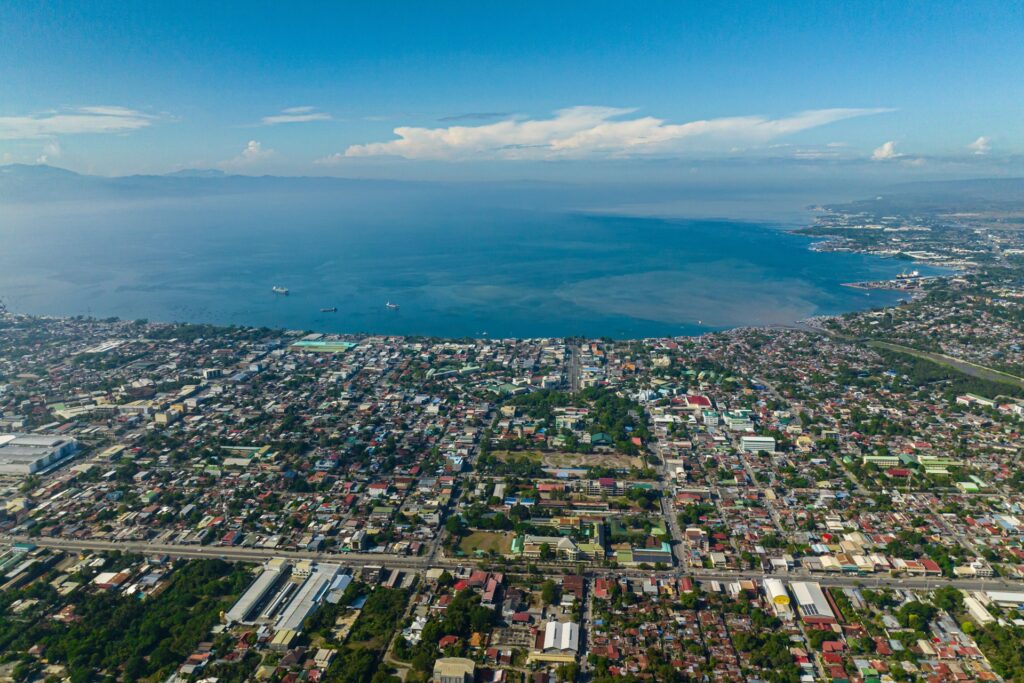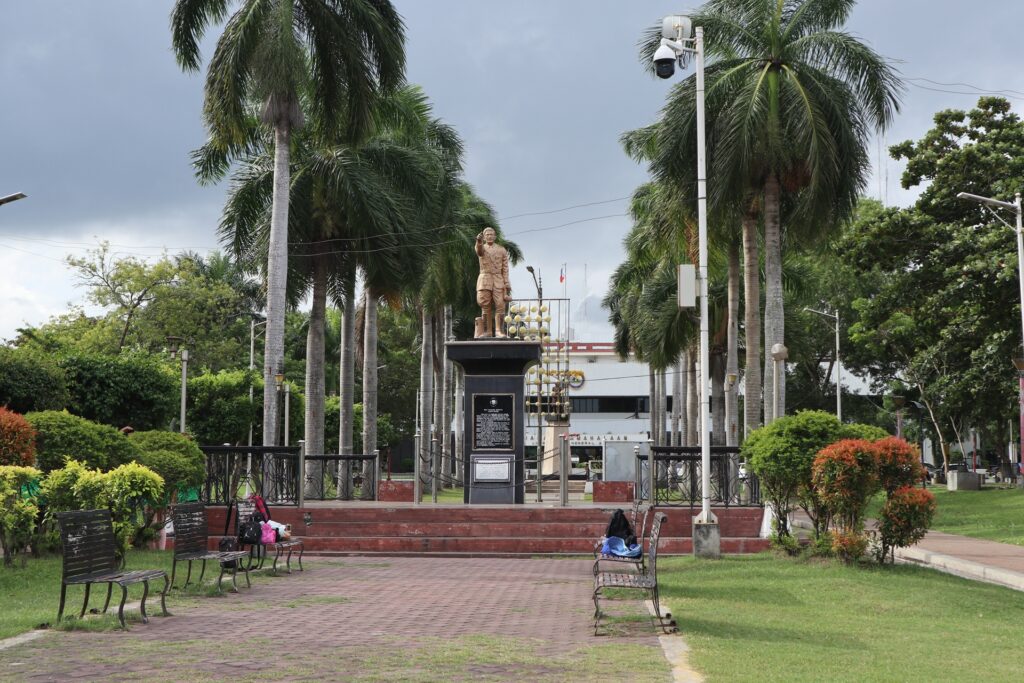
The Mabuhay Underpass project in General Santos City was pitched as a long-term fix for one of the city’s busiest choke points, but years of delays, worsening traffic, and persistent drainage worries have turned it into a public flashpoint. This article breaks down what’s behind the slow progress, why flooding is such a major risk for underpasses, and who may share responsibility for the current situation. The big question remains: is this a future-proof solution, or a generational mistake?
Severe construction delays
The severe construction delays in the General Santos City national highway underpass project have been attributed to a combination of technical, engineering, and administrative problems. One of the primary causes was the need for repeated redesigns and adjustments to the project plan after construction had already started. Engineers reportedly encountered site conditions that were different from initial expectations, forcing revisions to the structural and drainage designs. These changes slowed down progress because portions of the work had to be reassessed and modified before construction could continue safely.
Another major cause involved drainage and groundwater complications. Since an underpass is built below road level, proper water management is critical. Construction teams reportedly encountered difficulties related to water seepage, underground water accumulation, and drainage integration. These issues required additional engineering solutions to prevent flooding and maintain structural stability, which delayed excavation and other phases of the project.
The relocation of underground utilities also contributed heavily to the delays. Existing water lines, drainage pipes, electrical cables, and communication lines beneath the highway had to be identified, transferred, or protected before major construction could proceed. In many infrastructure projects, utility relocation becomes complicated because different agencies and service providers must coordinate approvals and schedules. Delays in transferring these utilities can halt construction activities for extended periods.
Traffic management challenges further slowed the project. The underpass is located along one of the busiest intersections in General Santos City, so construction had to be carried out while still allowing vehicles to pass through the area. Maintaining traffic flow during excavation and roadworks limited the space available for heavy equipment and reduced the speed at which work could be completed. Lane closures and rerouting also had to be carefully managed to avoid complete disruption of the highway.
There were also criticisms regarding project management and work efficiency. Some residents and observers claimed that construction activity appeared inconsistent, with periods of slow or minimal visible progress at the site. Concerns were raised about coordination between contractors, government agencies, and engineers, especially when technical problems emerged. Administrative procedures, inspections, and approval processes may have added further delays before certain stages of construction could continue.
Finally, weather conditions likely played a role in extending the timeline. Heavy rains can significantly affect excavation projects, especially underpasses, because wet conditions increase flooding risks, soften the soil, and make construction work more hazardous. In a project already struggling with drainage concerns, bad weather would have further slowed operations and complicated engineering work.
Flooding and drainage concerns
The flooding issues associated with the General Santos City underpass project are believed to stem from several interconnected engineering and environmental factors. One major cause is inadequate drainage capacity. Because an underpass is constructed below ground level, rainwater naturally flows downward into the structure. If the drainage system is not designed to remove water quickly enough during heavy rainfall, water can accumulate inside the underpass and surrounding roads. Critics of the project have argued that the drainage design may not be sufficient for the volume of runoff experienced in the area, especially during intense storms.
Another contributing factor is groundwater seepage. During construction, engineers reportedly encountered underground water intrusion beneath the highway. When groundwater continuously seeps into an excavation site, it becomes difficult to keep the area dry without powerful pumping and waterproofing systems. If seepage is not fully controlled, water can collect inside the underpass even when rainfall is not particularly heavy, increasing the risk of persistent flooding problems.
The city’s existing drainage infrastructure may also be part of the problem. Some areas of General Santos City already experience urban flooding because of clogged canals, undersized drainage lines, and poor stormwater management. Since the underpass connects into this broader drainage network, weaknesses in the surrounding system can affect how quickly floodwater is discharged. If nearby canals or drainage outlets become overwhelmed, water can backflow into the underpass area.
The low elevation of the underpass itself is another important factor. Unlike elevated roads, underpasses act like basins that naturally collect water from nearby streets. During heavy rains, runoff from higher surrounding roads flows downward toward the lowest point. Without sufficient pumps, catch basins, and emergency drainage systems, the underpass can quickly fill with water. This is why underpasses are often considered vulnerable to flooding if drainage systems are not carefully engineered and maintained.
Construction-related disruptions may have worsened temporary flooding conditions as well. Excavation work, road diversions, and partially completed drainage systems can interrupt the natural flow of stormwater during the construction phase. Open trenches, blocked canals, and unfinished drainage connections may cause water to accumulate more easily around the site until the project is fully completed.
Finally, heavy rainfall and changing weather patterns can intensify the flooding risk. Strong tropical rains common in the Philippines produce large volumes of water within short periods of time. If rainfall exceeds the design limits of the drainage system, flooding becomes more likely regardless of the infrastructure in place. Combined with groundwater issues and existing urban drainage deficiencies, extreme weather can significantly increase the vulnerability of the underpass to water accumulation.
Traffic got worse during construction
Traffic congestion became one of the most immediate and visible consequences of the General Santos City underpass construction project. The underpass was originally proposed to improve vehicle flow along the national highway intersection by separating through-traffic from crossing traffic. However, because the project is being built directly beneath one of the city’s busiest road junctions, construction activities significantly reduced the usable road space for several years. Lane closures, excavation zones, heavy equipment operations, and temporary barriers forced vehicles into narrower passages, creating bottlenecks throughout the area.
The intersection affected by the project serves as a critical transport corridor connecting residential districts, commercial areas, public transport routes, and access roads leading toward the airport and other parts of South Cotabato and Sarangani. Since thousands of vehicles pass through the junction daily, even minor restrictions in road capacity quickly produced long queues and slower traffic movement. During peak hours, motorists reportedly experienced substantial delays, with congestion extending far beyond the immediate construction site.
Temporary traffic rerouting also contributed to the worsening situation. To keep traffic moving while excavation work continued, authorities implemented diversion schemes and alternate lane arrangements. While necessary, these rerouting measures often confused drivers and created merging conflicts between vehicles entering and exiting narrowed lanes. Public utility vehicles such as jeepneys, buses, and tricycles were particularly affected because they had fewer safe stopping areas for passengers, further slowing the movement of traffic.
Construction equipment and delivery vehicles added another layer of congestion. Large trucks transporting materials, excavation machinery, and construction supplies occupied portions of the roadway and occasionally interrupted normal traffic flow. Because construction had to occur while the highway remained operational, engineers faced the difficult challenge of balancing work progress with continuous vehicle access. This limitation prevented the rapid completion methods that might have been possible if the road had been fully closed.
The prolonged timeline intensified public frustration. Residents expected temporary inconvenience, but as delays accumulated over multiple years, traffic congestion became part of daily life for commuters and businesses. Many motorists complained about increased fuel consumption, longer travel times, and stress caused by stop-and-go conditions. Some drivers reportedly began avoiding the area entirely, shifting congestion to secondary roads not designed to handle heavy traffic volumes.
Critics also argued that the traffic situation exposed weaknesses in traffic management planning during construction. Some residents believed there were insufficient enforcers, poorly coordinated traffic signals, unclear detour signage, and inadequate communication regarding road closures and alternate routes. Others questioned whether the project should have proceeded without stronger contingency plans for maintaining mobility along such an important national highway corridor.
The worsening traffic conditions also had economic consequences. Delivery schedules for businesses became less predictable, transport costs increased, and public transportation operations slowed down. For workers and students who relied on the highway daily, the construction-related congestion translated into lost time and reduced productivity. Businesses located near the construction area reportedly experienced reduced customer access because potential customers avoided the heavily congested zone.
Overall, while the underpass project was intended as a long-term solution to traffic congestion, the construction phase itself created severe short- to medium-term transportation problems. The combination of reduced road capacity, extended project delays, rerouting complications, and heavy daily traffic demand transformed the area into one of the city’s most heavily criticized congestion points during the construction period.
Poor project management
Concerns about poor project management became a major part of public criticism surrounding the General Santos City underpass project. Many residents, motorists, and observers felt that the pace and coordination of the construction did not match the scale of disruption being caused. One of the most common complaints was the perception of inconsistent progress at the site. There were periods when construction activity appeared slow or minimal despite severe traffic congestion already affecting the area. This created public frustration because people expected continuous and visible work if they were going to endure years of inconvenience.
Project coordination issues were also frequently mentioned. Large infrastructure projects require close cooperation between government agencies, contractors, engineers, utility providers, and traffic management authorities. In the case of the underpass, delays involving utility relocation, drainage redesign, and traffic rerouting suggested that coordination may not have been fully resolved before construction began. Critics argued that better planning and sequencing of activities could have prevented some of the repeated interruptions and redesigns that slowed the project.
Another concern involved communication with the public. Residents and motorists often complained about uncertainty regarding project timelines, lane closures, and expected completion dates. Repeated changes to completion targets weakened public confidence in the project. In many infrastructure projects, transparent communication is important because it helps commuters and businesses prepare for disruptions. The perception that updates were inconsistent or overly optimistic contributed to frustration among the public.
Traffic management during construction was also criticized as a project management issue. Since the underpass is located at one of the city’s busiest intersections, maintaining smooth vehicle flow required detailed operational planning. However, some residents observed inadequate traffic enforcement, poorly organized lane arrangements, confusing rerouting systems, and insufficient signage. These issues made congestion worse and reinforced the perception that construction impacts were not being effectively managed.
Concerns were also raised about worksite organization and construction quality. Public complaints mentioned scattered construction materials, unsafe pedestrian access, uneven road surfaces, and incomplete sections left exposed for long periods. Even if some of these conditions were temporary and normal during large-scale construction, they contributed to the image of disorder and inefficiency at the site. In infrastructure projects, visible organization and safety management strongly influence public trust in the competence of project administrators.
Another criticism centered on risk assessment and preparedness. Some observers questioned whether the project’s drainage challenges, groundwater problems, and utility conflicts should have been identified more thoroughly during the planning stage. If major technical obstacles emerge only after construction begins, it can indicate weaknesses in feasibility studies, site investigations, or engineering preparation. Critics argued that stronger pre-construction studies might have reduced costly redesigns and delays later on.
The extended timeline also increased scrutiny over accountability. As delays continued, residents began asking who was responsible for monitoring contractor performance, enforcing deadlines, and ensuring efficient use of public funds. In public infrastructure projects, poor project management is often associated not only with technical inefficiency but also with weak oversight and slow decision-making. Even if some delays were caused by legitimate engineering challenges, the prolonged disruption led many people to believe that management and execution were not handled effectively enough for a project of such importance.
Economic and social impact
The prolonged construction of the General Santos City underpass project has created significant economic and social impacts that extend far beyond traffic inconvenience. Because the affected intersection is one of the city’s major transportation corridors, disruptions at the site have influenced daily life, business activity, public transportation, and overall mobility throughout the area. For many residents, the project became a constant source of stress and frustration because the delays affected not only travel time but also work schedules, transportation costs, and access to essential services.
One of the most immediate economic impacts has been the increase in transportation expenses. Motorists caught in long traffic queues consume more fuel while idling or moving slowly through congested roads. Public utility vehicle operators, delivery drivers, and private commuters reportedly faced higher operating costs because trips that once took minutes began taking much longer. These additional fuel and maintenance expenses indirectly affected passengers and consumers, since transportation operators often adjusted fares or delivery charges to compensate for increased operational costs.
Businesses located near the construction area were also heavily affected. Commercial establishments that relied on passing traffic experienced reduced customer access because many motorists avoided the congested intersection altogether. Restaurants, small retail stores, gasoline stations, and roadside vendors reportedly saw declines in customer volume during periods of severe congestion. Construction barriers, dust, noise, and limited parking access further discouraged customers from stopping in the area. For small businesses operating on narrow profit margins, prolonged disruptions can lead to substantial financial strain.
The logistics and transport sector also faced difficulties. The intersection serves as an important route for cargo movement within General Santos City, which is known as a major commercial and agricultural hub in Mindanao. Delays in truck movement affected delivery schedules for goods, agricultural products, and supplies moving through the city. Businesses dependent on timely transportation had to deal with less predictable travel times, which reduced efficiency and increased operational uncertainty.
The underpass construction also affected workers and students who relied on the highway daily. Longer commute times meant people had to leave home earlier and spend more time traveling instead of working, studying, or resting. Employees arriving late because of traffic congestion risked reduced productivity or workplace penalties, while students experienced additional stress and fatigue from extended daily travel. Over several years, these repeated delays contributed to a broader decline in quality of life for many residents.
Public transportation operations became more difficult as well. Jeepneys, buses, tricycles, and taxis struggled to maintain schedules because congestion slowed down routes passing through the construction zone. Public utility vehicle drivers often spent more time stuck in traffic while earning the same or even lower income due to reduced passenger turnover. Passengers waiting for transportation also experienced longer travel and waiting times, especially during rush hours and bad weather.
The social impact extended beyond economics into public sentiment and trust in government infrastructure projects. As delays accumulated and flooding concerns emerged, many residents began expressing skepticism about whether the project would ultimately deliver the promised benefits. Public frustration increased because people felt they were enduring years of inconvenience without seeing proportional progress. Social media discussions and public commentary frequently reflected anger, disappointment, and distrust toward authorities managing the project.
Environmental and health-related concerns were also reported. Construction dust, noise pollution, and vehicle emissions from constant traffic congestion affected nearby communities and businesses. Residents and commuters exposed to daily traffic jams experienced increased stress levels and reduced comfort during travel. Prolonged exposure to congested and polluted road environments can negatively affect both physical and mental well-being, especially for people who pass through the area every day.
Another important social effect was the redistribution of traffic into secondary roads and residential streets. As motorists attempted to avoid the congested highway intersection, nearby neighborhoods and smaller roads experienced heavier traffic than they were originally designed to handle. This increased congestion in surrounding communities, created safety concerns for pedestrians, and placed additional wear on local roads and infrastructure.
Overall, the economic and social impacts of the underpass project became substantial because of the project’s scale, location, and extended duration. While infrastructure projects often require temporary inconvenience to achieve long-term improvements, the combination of delays, congestion, flooding concerns, and business disruption caused many residents to feel that the burden placed on the community had become excessively prolonged and difficult to justify.
Who is to be blamed for current situation
Responsibility for the current situation surrounding the General Santos City underpass project is likely shared among several parties rather than resting on a single individual or group. Large infrastructure projects involve multiple stakeholders, including government agencies, contractors, engineers, consultants, utility providers, and local authorities. Problems such as delays, flooding risks, and traffic disruption usually result from a combination of planning, design, execution, and coordination failures.
A significant portion of responsibility naturally falls on the Department of Public Works and Highways (DPWH), since it is the primary government agency overseeing national road infrastructure projects. As project owner and supervising authority, DPWH is responsible for ensuring proper feasibility studies, engineering design, contractor supervision, budgeting, and timeline management. Critics argue that if drainage issues, utility conflicts, or groundwater problems were not fully anticipated before construction began, then the planning and risk assessment processes may have been insufficient.
Contractors and engineering consultants may also share responsibility if construction quality, project execution, or site management were inadequate. Delays can occur when contractors fail to meet schedules, coordinate efficiently, or adapt quickly to technical challenges. Concerns raised by residents about inconsistent work activity, construction safety, and site conditions contributed to public perception that project management may not have been as effective as expected.
Utility companies and coordination agencies could also be partly responsible because relocating underground pipes, power lines, telecommunications cables, and drainage systems is often a major source of delay in infrastructure projects. If coordination between agencies was slow or incomplete, construction progress would inevitably be affected.
At the same time, some responsibility may stem from broader systemic issues common in large public infrastructure projects in the Philippines and elsewhere. These include bureaucratic approval processes, procurement complications, changing project scopes, weather disruptions, funding adjustments, and weaknesses in urban planning. In many cases, projects move forward before all technical risks are fully resolved, which increases the likelihood of delays and redesigns once construction starts.
However, assigning blame should be approached carefully because not all delays automatically indicate negligence or corruption. Some engineering challenges, particularly groundwater control and drainage integration in an underpass project, can genuinely become more complicated once excavation begins. The key issue raised by many residents is whether those risks were properly studied, communicated, and managed before the project was approved and implemented.
Is there a bright future on the horizon?
In summary, the underpass project in General Santos City still has the potential for a positive long-term outcome, but this outcome is not guaranteed. Its success now depends less on the original design and more on whether the remaining construction challenges can be properly resolved before it becomes fully operational. If the final stages of the project are completed with strong engineering quality, reliable drainage systems, and effective traffic reconfiguration, the underpass could eventually deliver its intended benefit of easing congestion along one of the city’s busiest highway intersections.
A key factor that will determine its future performance is how well flooding and drainage issues are addressed. Underpasses are particularly sensitive to water accumulation, and their effectiveness depends on whether stormwater systems and groundwater control measures are sufficient for local conditions. If these systems are completed and function as intended, the structure could provide smoother and more reliable traffic flow compared to the original intersection layout. However, if drainage problems persist, they could significantly reduce the usefulness of the project regardless of completion.
The broader future of the project is also tied to General Santos City’s continued growth as a regional economic center. Improved infrastructure plays an important role in supporting commerce, transport, and mobility, especially in a city with increasing vehicle volume and active trade routes. If the underpass eventually works as planned, it could contribute to faster movement of goods and people, supporting long-term urban development and economic activity.
Ultimately, public perception of the project will depend on real-world results rather than expectations. Residents are likely to judge the underpass based on whether it actually reduces traffic congestion, remains free from flooding, and improves daily travel experience. If these outcomes are achieved, the project may eventually be seen as a successful but delayed infrastructure investment. If not, the criticism surrounding it may continue even after completion.