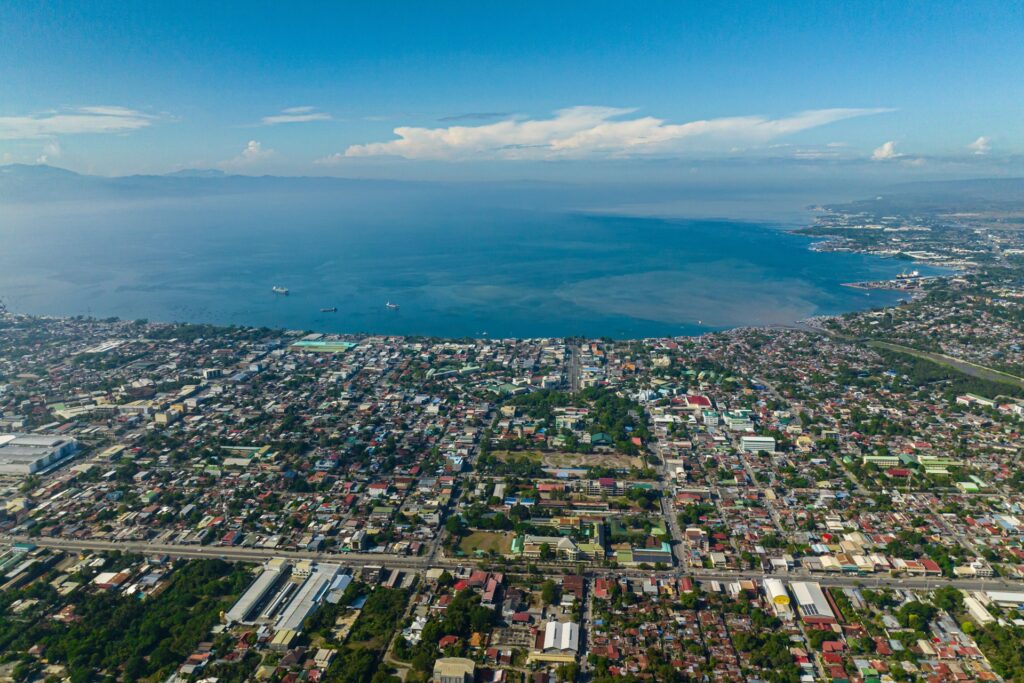
The proposed redevelopment of Palengke Heneral represents one of the most ambitious urban modernization initiatives in General Santos City. Structured under a Public–Private Partnership (PPP), the project reflects a collaboration between the local government and private sector investors to transform the city’s traditional public market into a more modern, efficient, and sustainable commercial center. Rather than functioning solely as a place for daily trade, the redeveloped market is envisioned as a long-term economic and civic infrastructure project capable of reshaping how commerce, mobility, sanitation, and public interaction operate within the city.
For General Santos City, whose economy is heavily driven by fisheries, agriculture, and small-scale commerce, the modernization of its central market carries both symbolic and practical importance. Public markets remain deeply connected to the livelihoods of vendors, transport workers, suppliers, and consumers. Through the PPP model, the city government gains access to private-sector financing, technical expertise, and operational systems that may otherwise be difficult to implement using public funds alone. At the same time, the arrangement places responsibility on both parties to ensure that modernization does not come at the expense of accessibility, affordability, and the welfare of small vendors
What is a Private Public Partnership (PPP)?
A Public–Private Partnership (PPP) is a long-term collaboration where the government and a private company share responsibilities to finance, build, operate, and/or maintain a public facility or service.
In a market redevelopment context, a PPP commonly works like this:
- Government (City/Local Government Unit) typically provides:
- Land or site rights (if public land)
- Permits, regulatory oversight, and public-interest safeguards
- Some form of support (e.g., approvals, utilities coordination, or viability mechanisms)
- Private partner typically provides:
- Upfront capital for construction/modernization
- Project management, design/build expertise
- Operations and maintenance systems (security, cleaning, waste, repairs, collections)
- Revenue model can include:
- Stall rentals, lease agreements, and service fees
- Potential commercial components (carefully limited so public purpose stays primary)
A strong PPP is not “privatization.” It’s a contract structure where performance, pricing rules, maintenance standards, and protections for vendors and consumers must be clearly written and enforced.
Breakdown of the Architectural Concept
Although no official master plan was cited in the article, the ideal modern public market concept combines sanitation-focused design, efficient circulation systems, disaster resilience, and accessible community spaces.
For Palengke Heneral, this could begin with a clearly organized zoning system that separates wet sections such as fish and meat areas from dry goods sections to improve sanitation and minimize contamination risks. Dedicated produce sections with proper drainage, washable surfaces, and cold storage facilities would further improve food safety and logistics operations.
Efficient circulation would also be essential in reducing congestion. Wide and shaded walkways, organized aisle layouts, designated loading and unloading areas, and improved drop-off points for tricycles and jeepneys could significantly improve pedestrian flow and accessibility. Climate-responsive features such as high ceilings, natural ventilation, daylighting systems, and covered but airy halls would help reduce heat while minimizing electricity consumption.
Safety and resilience are equally important. The market could incorporate fire exits, hydrants, suppression systems, flood mitigation measures, engineered drainage systems, and structures designed to withstand earthquakes and typhoons.
Beyond functionality, the redevelopment could also strengthen civic identity by including public plazas, event spaces, clean comfort rooms, family facilities, accessible ramps, and improved signage. If implemented successfully, Palengke Heneral could evolve into both a commercial hub and a civic landmark for General Santos City.
Economic Impact
Modernizing the market could generate economic benefits that extend well beyond aesthetics. Improved layouts and upgraded utilities could help vendors operate more efficiently by reducing spoilage and downtime, while better traffic flow and organization could create more stable customer activity and sales. The inclusion of cold storage systems and improved handling facilities would also help reduce post-harvest losses, especially for seafood, meat, and produce vendors.
The redevelopment may also encourage the growth of more formalized microenterprises. Clear stall policies, organized payment systems, and vendor development programs focused on bookkeeping, food safety, packaging, and pricing could help small businesses scale more responsibly. In addition, the project could create employment opportunities both during construction and through long-term operational needs such as maintenance, logistics, facility management, and security.
If governance remains transparent and efficient, improved collection systems and reduced corruption could strengthen city revenues and support better public services. However, these gains would depend heavily on fair pricing structures and effective oversight.
Social Impact
Public markets shape everyday social life, and if Palengke Heneral is designed with inclusivity in mind, it could significantly improve social outcomes. Cleaner wet-market environments and improved sanitation systems could lower the risk of foodborne illnesses, while better drainage and waste management could reduce odor and pest problems.
The redevelopment could also improve dignity and safety for both vendors and consumers. Organized spaces may help minimize conflicts over selling areas, reduce unsafe working conditions, and create a more secure environment for women vendors, elderly sellers, and early-morning shoppers. In addition, incorporating shaded seating areas, event spaces, and community gathering zones could strengthen social cohesion and reinforce local identity, particularly if the market highlights local products and Gensan’s food culture.
At the same time, equity concerns remain important. If stall fees rise too quickly or policies become restrictive, smaller vendors may struggle to remain in the market or could be pushed back into informal selling arrangements. There is also a risk that excessive commercialization could dilute the traditional public-market character if premium commercial tenants dominate the space.
Environmental Impact
The environmental performance of Palengke Heneral could either become one of its greatest strengths or one of its most serious weaknesses, depending on how operations are managed. Positive environmental outcomes may include improved waste management systems through waste segregation, composting programs, and organized hauling schedules. Cleaner surroundings and better drainage systems could help reduce flooding and drainage blockages.
Wastewater management improvements, such as grease traps, proper sewage systems, and washable surfaces, could reduce pollution and improve sanitation standards. Energy-efficient features like natural ventilation and daylighting could lessen dependence on artificial cooling and lighting systems, while solar-ready roofing could help offset operational costs.
However, modernization also carries environmental risks. Increased reliance on single-use packaging materials could worsen plastic waste if regulations are not implemented properly. Likewise, excessive dependence on air-conditioning systems could increase energy consumption, and poor transportation planning could worsen congestion and emissions around the market area.
Breakdown of Pros and Risks
Pros
Palengke Heneral could provide a cleaner, safer, and more organized market experience for both vendors and consumers. Improved facilities and stronger infrastructure may reduce spoilage, improve supply chain reliability, and increase vendor income potential through better customer traffic and operational efficiency.
Disaster-resilient infrastructure, including fire safety systems and improved drainage, would strengthen long-term sustainability. Transparent systems could also improve city collections while reducing informal rent-seeking practices. Beyond commerce, the project could serve as a civic space that enhances the urban image and identity of General Santos City.
Risks
Despite its potential benefits, the project also carries significant risks. Higher stall fees, deposits, or restrictive policies could displace smaller vendors who may struggle to afford modernization costs. There is also the danger of “commercialization creep,” where higher-end tenants gradually replace traditional sellers and weaken the market’s public-market identity.
PPP-related risks must also be carefully monitored. Weak contract enforcement, unclear service standards, and limited transparency could undermine the project’s long-term success. During construction, vendors may face temporary displacement and loss of livelihood if transition planning is poorly managed. Furthermore, inadequate transportation and traffic planning could worsen congestion around the area, while unequal governance structures could disproportionately favor larger commercial players over small vendors.
Conclusion
Palengke Heneral has the potential to reshape General Santos City by modernizing not only a physical marketplace but also the broader systems that sustain urban life, including logistics, sanitation, public spaces, and vendor livelihoods.
The project’s long-term success will depend on balancing strong architectural planning with equally strong governance. Fair vendor policies, transparent fee structures, enforceable maintenance standards, and deliberate support for micro-entrepreneurs will ultimately determine whether the redevelopment becomes a truly inclusive and transformative urban project for General Santos City.